Fish Mastery: Learn the Art of Cooking Fish with French and Japanese Techniques
A Culinary White Paper on Precision, Restraint and Technique
Fish cookery is one of the most technically sensitive areas of the kitchen. Unlike meat, fish has a delicate muscle structure, low connective tissue and a short cooking window. Success depends less on heavy seasoning or complex preparation and more on freshness, temperature control, knife work, timing and balance.
French and Japanese culinary traditions offer two highly developed approaches to fish preparation. Japanese technique prioritises purity, precision, raw handling and restrained seasoning. French technique focuses on controlled heat, structured cooking methods and refined sauces. When combined, these traditions provide a strong foundation for mastering fish in both professional and home kitchens.
This paper explores the key principles behind fish mastery: ingredient selection, safe handling, raw preparation, searing, steaming, sauce making and whole fish cookery. It draws from the Fish Mastery menu framework, which includes tuna tataki, sushi and sashimi, fish tacos, snapper en papillote and salt-baked whole fish.
1. Introduction
Cooking fish well requires a shift in mindset. Fish should not be treated like beef, lamb or poultry. It cooks quickly, dries easily and is easily overwhelmed by excessive seasoning. The cook’s role is to protect the natural texture and flavour of the fish while applying just enough technique to enhance it.
Both French and Japanese cuisines share this respect for the ingredient. While their methods differ, their philosophy is similar: fish should remain the centre of the dish.
Japanese cookery often uses minimal intervention. A clean slice of sashimi, a balanced piece of sushi or a lightly seared tataki depends on freshness, knife skill and subtle seasoning.
French cookery often applies structure. Techniques such as en papillote, beurre blanc and salt-baking rely on heat management, moisture retention and sauce balance.
Together, these approaches create a complete technical framework for fish cookery.
2. The Importance of Freshness and Handling
Fish quality determines the final dish before cooking begins. Fresh fish should smell clean and mild, with firm flesh and a moist surface. A strong fishy or sour smell usually indicates poor quality or age.
For raw or lightly cooked preparations such as sashimi, sushi and tataki, the seafood must be suitable for raw consumption. It should remain chilled until the moment of preparation. Temperature control is essential because warmth can soften the flesh, release fat and affect texture.
Safe fish handling requires:
- clean knives and boards
- separation of raw and cooked ingredients
- chilled storage before use
- quick return of unused fish to refrigeration
- careful handwashing and bench sanitation
These practices are not only food safety requirements. They also preserve the quality of the fish.
3. Japanese Foundations: Precision and Restraint
Japanese fish preparation is built on precision. The knife is one of the most important tools in this tradition. A clean cut protects the texture of the fish and creates an elegant eating experience.
Sashimi and Sushi
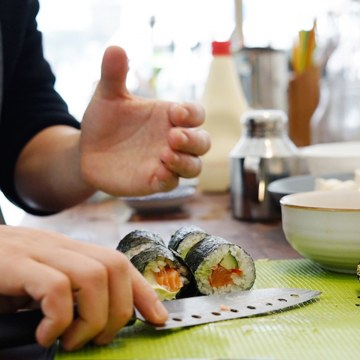
Sashimi demonstrates the importance of knife control. The fish should be sliced in one smooth motion, not sawn back and forth. This keeps the surface clean and prevents tearing.
Sushi adds another layer of balance. The rice must be seasoned, warm but not hot, and handled gently. The fish should remain chilled, while the rice provides acidity, sweetness and structure.
The goal is harmony. Neither rice nor fish should dominate.
Tataki
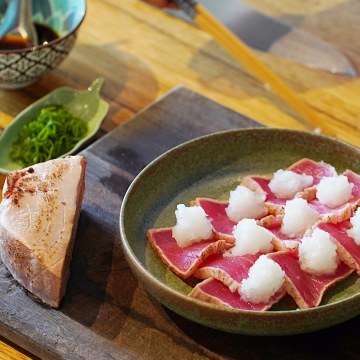
Tataki is a useful bridge between raw and cooked fish. The outside is seared very briefly over high heat, while the centre remains raw or rare. The technique depends on three factors:
- very hot pan
- very short searing time
- rapid chilling after searing
This creates contrast between the lightly caramelised surface and the clean, fresh centre.
Seasonings such as ponzu, yuzu, daikon, tamari and spring onion add acidity, umami and freshness without masking the fish.
4. French Foundations: Controlled Heat and Sauce Balance
French fish cookery focuses on control. Heat is applied carefully, sauces are structured and seasoning is layered with intention.
En Papillote
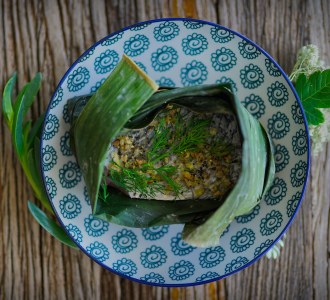
En papillote means cooking in a paper parcel. Fish is placed with vegetables, aromatics, citrus and a small amount of wine or stock, then sealed and baked.
Inside the parcel, steam gently cooks the fish. This protects moisture and allows the aromatics to perfume the dish. It is an excellent method for delicate fillets such as snapper, barramundi or sea bream.
The key technical points are:
- thin, even vegetable cuts
- proper sealing of the parcel
- gentle oven heat
- avoiding overcooking
- opening the parcel close to serving
Beurre Blanc
Beurre blanc is a classic French butter sauce made by reducing wine and acid, then whisking in cold butter. It is rich, glossy and lightly acidic.
For fish, acidity is essential. Without it, butter sauces can feel heavy. Citrus such as lemon or yuzu helps lift the sauce and balance the richness.
The sauce should be warm and stable, not boiling. Excessive heat can cause it to split.
5. Whole Fish Cookery
Cooking whole fish is one of the best ways to understand the ingredient. A whole fish offers flavour from the bones, skin and cavity aromatics. It also encourages the cook to think about doneness more carefully.
Salt-baking is a particularly effective technique. A mixture of coarse salt and egg white forms a crust around the fish. As the fish bakes, the crust traps steam, keeping the flesh moist and gently seasoned.
The method is simple but dramatic:
- Fill the cavity with herbs, citrus and aromatics.
- Cover the fish completely with salt crust.
- Bake until cooked through.
- Rest before opening.
- Crack the crust and lift the fillets from the bone.
The finished fish should be moist, clean and lightly seasoned, not salty.
6. Understanding Doneness
Overcooking is the most common mistake in fish preparation. Fish continues to cook after it leaves the heat, so it should be removed just before it appears fully done.
A properly cooked fillet should be moist and tender. It may flake gently, but it should not be dry or chalky.
Different techniques require different doneness cues:
- Sashimi: clean, cold, raw texture
- Tataki: seared outside, rare centre
- Pan-seared fish: lightly browned surface, moist interior
- En papillote: gentle steam, tender flakes
- Salt-baked whole fish: moist flesh lifting cleanly from the bone
Mastery comes from observation: appearance, touch, aroma and timing.
7. Balance as a Culinary Principle
Fish requires balance more than intensity. Strong flavours can easily overwhelm it. The best fish dishes use acidity, salt, fat and aromatics with restraint.
Japanese examples include ponzu, yuzu, tamari, daikon and spring onion. These ingredients brighten and sharpen the fish.
French examples include beurre blanc, herbs, wine, lemon and delicate vegetable aromatics. These ingredients add richness and structure.
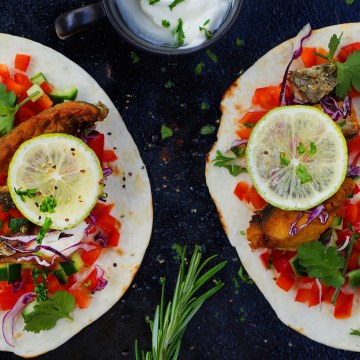
Even more casual preparations, such as fish tacos, follow the same principle. The fish is supported by acidity from lime, freshness from slaw and richness from crema.
The fish remains the hero.
8. Practical Framework for Fish Mastery
A strong foundation in fish cookery can be built around five core methods:
- Raw preparation — sashimi and sushi
- Light searing — tataki
- Quick pan cooking — tacos or simple fillets
- Gentle steaming — en papillote
- Whole fish baking — salt crust
Together, these methods teach the essential skills of fish handling, knife work, seasoning, heat control and doneness.
They also show that fish cookery does not need to be complicated. The techniques are precise, but the philosophy is simple: choose good fish, handle it carefully, cook it gently or quickly, and season it with balance.
Conclusion
Fish mastery is not defined by elaborate recipes. It is defined by judgement.
French and Japanese techniques provide two complementary pathways. Japanese cookery teaches clarity, restraint and precision. French cookery teaches structure, controlled heat and sauce craft. Together, they form a complete approach to cooking fish with confidence.
When handled well, fish needs very little. A sharp knife, clean seasoning, careful heat and respect for freshness are enough to create dishes that are elegant, balanced and deeply satisfying.




.jpeg)


.jfif)





 " style="-webkit-font-smoothing: antialiased; color: rgb(46, 145, 252);">Buy On Amazon Fr $16.99