

Blogs
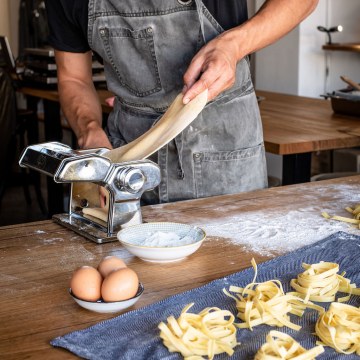
Cooking confidence is not natural talent — it is learned
Many people searching for a cooking class in Melbourne are not trying to become restaurant chefs. They want something more practical: to cook better meals at home, waste less food, understand ingredients, and stop feeling lost when they open the fridge.
Across Melbourne Reddit discussions, the same questions appear again and again: Where can I learn basic cooking? Are there beginner-friendly classes? Are there affordable or social options? Is there a course that teaches real home-cooking fundamentals rather than a one-off foodie experience? Reddit’s own search results for “cooking class Melbourne” show repeated posts about basic cooking classes, beginner-friendly cooking classes, cheap cooking classes, group cooking clubs, and short cooking lessons around Melbourne.
One recent discussion captured the core problem clearly: the person wanted to learn to cook in Melbourne’s west, felt they lacked the creativity to turn pantry ingredients into meals, relied heavily on recipes, and was frustrated by food waste.
That concern is common. Cooking is often presented as something intuitive — as if good cooks simply “throw things together.” In reality, most confident cooks learned through structure, repetition, and guidance.
What Melbourne beginners actually want from cooking classes
The Reddit conversations reveal a useful pattern. People are not only searching for entertainment-style classes. They are looking for cooking education that solves everyday problems.
In one thread, a user said they felt behind in their cooking skills after becoming single and living alone, and asked for cooking classes or even social cooking company in Melbourne. Another commenter replied that many options seemed to fall into two extremes: full-time chef school or one-off food experiences, while what they really wanted was a weekly course covering skills, ingredients, and essentials — essentially, “how to be a good home cook.”
Another Melbourne user wanted to gift their partner cooking lessons and specifically asked for short courses, ideally in the west or north, that taught a “ground up” style of cooking. The replies recommended options such as Free to Feed, ClassBento, Brunswick Kitchen, Foodie Trails, William Angliss, and OTAO Kitchen.
A separate beginner-focused post asked for classes that cater to complete newcomers, especially hands-on lessons focused on simple, practical meals. In that thread, one commenter said they had attended classes at OTAO Kitchen and “loved” them.
The insight is clear: people want practical, confidence-building cooking classes in Melbourne — not just impressive recipes.
The problem with relying on recipes alone
Recipes are useful. In fact, one of the strongest messages from the Reddit discussion is that needing a recipe is not a weakness. A professional chef in the thread pointed out that professional kitchens use recipes too, and that combining ingredients confidently takes experience.
The issue is not whether someone uses a recipe. The issue is whether they understand the techniques behind the recipe.
A beginner may follow instructions but still struggle with questions such as:
- Why is the chicken dry?
- How hot should the pan be?
- What does “golden brown” actually look like?
- How do I season properly?
- What can I substitute safely?
- How do I use leftovers without ruining the meal?
- How do I prepare ingredients before cooking starts?
Several Reddit responses pointed beginners toward YouTube, RecipeTin Eats, meal kits, simple recipes, knife skills, food storage, and basic techniques such as boiling, frying, grilling, and baking. These are helpful tools, but for many people, self-learning still leaves a gap: there is no instructor watching, correcting, and explaining in real time.
That is where a structured, hands-on cooking class becomes valuable.
Why hands-on learning matters
Cooking is physical. You learn by chopping, smelling, tasting, adjusting, stirring, searing, kneading, and plating. Watching a video can help, but it cannot fully replace doing the work with a chef beside you.
OTAO Kitchen describes its Melbourne cooking classes as small-group, expert-chef, 100% hands-on experiences. Its classes cover a wide range of cuisines including Thai, Vietnamese, Japanese, Chinese, Indian, Italian, Mexican, and more, and are designed for different skill levels.
This directly responds to what Melbourne learners are asking for: practical lessons, real skills, social learning, and confidence in the kitchen.
OTAO Kitchen’s answer: from beginner cook to confident home chef
For people who want more than a single cooking experience, OTAO Kitchen’s Confident Home Chef Program is especially relevant. OTAO describes the program as a hands-on, structured series led by expert chefs, guiding learners from essential skills to more advanced techniques. The program covers proteins, seafood, plant-based dishes, bakery, pastry, sauces, fermentation, and pickling.
This matters because many beginners do not only need recipes. They need a framework.
The program’s modules align closely with the problems raised in the Reddit discussions:
- Knife skills help beginners prepare safely and efficiently.
- Poultry, beef, lamb, pork, and seafood classes help people understand how to choose, cook, and rest proteins.
- Vegetable and plant-based classes help learners make everyday meals more balanced and satisfying.
- Pasta, noodles, and dumplings give home cooks flexible, repeatable meals.
- Sauces, fermentation, and pickling help reduce waste and build flavour.
- Bakery, pastry, and desserts expand confidence beyond dinner.
OTAO’s cooking class listings also include shorter masterclasses, such as dumplings, Japanese, Korean, Thai, Vietnamese, Indian, Italian, Mexican, and quick cooking classes, with options varying by length and price on its current cooking class page.
A cooking class should teach the “why,” not only the “what”
The best cooking class does more than show participants how to make one dish. It teaches transferable skills.
A beginner who learns only one recipe can make one meal. A beginner who learns how to season, sear, simmer, balance flavour, and organise their cooking process can make many meals.
That is the difference between a recipe class and a confidence-building class.
Reddit users repeatedly mentioned the value of learning fundamentals: knife skills, basic recipes, food storage, sanitation, cooking methods, preparation, timing, and understanding how flavours work. OTAO Kitchen’s Home Chef pathway fits this need because it is structured around practical cooking categories rather than isolated recipes.
Cooking classes can also reduce food waste
Food waste was one of the strongest pain points in the original discussion. Failed meals are frustrating, especially when grocery prices are high.
Good cooking education helps reduce waste in several ways. It teaches people to plan better, use ingredients across multiple meals, understand shelf life, build flavour from pantry staples, and recover when a dish is not perfect.
One Reddit commenter noted that confidence in the kitchen is not just about combining ingredients — it is also about preparation, pacing, timing, and not panicking during the process. That is exactly the type of skill that hands-on learning can develop.
When people understand technique, they are less likely to throw away food because they feel unsure what to do with it.
Why Melbourne is the right city for this kind of cooking education
Melbourne’s food culture is diverse, practical, and deeply multicultural. A strong cooking class in Melbourne should reflect that.
Visit Victoria lists OTAO Kitchen at 393 Victoria Street, Abbotsford, and describes it as offering immersive cooking experiences that celebrate Melbourne’s multicultural food scene. The listing also notes a broad range of cuisine types including Asian, Australian, Chinese, Indian, Italian, Japanese, Korean, Lebanese, Malaysian, Mediterranean, Mexican, Middle Eastern, seafood, Thai, vegan, vegetarian, and Vietnamese.
That diversity is important for beginner cooks. Learning across cuisines helps people understand flavour combinations, cooking methods, pantry ingredients, and different ways to prepare familiar proteins and vegetables.
Who should consider a cooking class in Melbourne?
A hands-on cooking class is a good fit for people who:
- Need practical home-cooking confidence.
- Rely on recipes but want to understand techniques.
- Waste food because they are unsure how to use ingredients.
- Want to cook better for themselves, family, or friends.
- Prefer learning by doing rather than only watching videos.
- Want a social, enjoyable experience with expert guidance.
- Are looking for a gift that is useful, memorable, and skill-building.
For complete beginners, the best starting point is not a complex restaurant-style dish. It is a class that teaches foundations: knife skills, heat control, seasoning, timing, preparation, and simple meals that can be repeated at home.
Conclusion: Melbourne cooks do not need more pressure — they need better pathways
The real demand behind “cooking class Melbourne” is not just entertainment. It is confidence.
People want to move from recipe anxiety to practical ability. They want to stop wasting ingredients. They want to cook meals they actually enjoy eating. They want to understand what works, what does not, and why.
The Reddit discussions show that Melbourne learners are actively looking for beginner-friendly, hands-on, practical, and sometimes longer-form cooking education. OTAO Kitchen’s classes — especially the Confident Home Chef Program — answer that need by combining expert instruction, hands-on practice, multicultural cooking, and a structured pathway from basic skills to more advanced home-chef confidence.
For anyone who has ever looked into the pantry and thought, “I have food, but I don’t know what to cook,” a good cooking class is not a luxury. It is an investment in everyday independence.
OTAO Kitchen’s Confident Home Chef Program offers a professional, hands-on pathway for that next step. By covering core areas such as proteins, seafood, plant-based cooking, pastry, bakery, sauces, preserving, and fermentation, it gives home cooks a broader foundation than a single recipe class can provide. For learners who want to waste less food, cook with more confidence, and understand what they are doing in the kitchen, it is a strong program to consider.
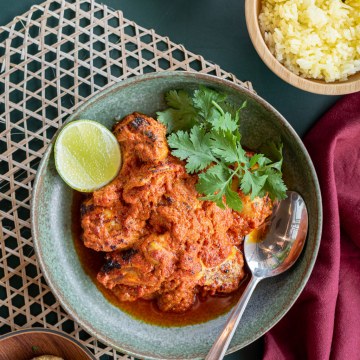
From Recipes to Confidence: A Practical Roadmap for Learning to Cook at Home
Cooking can feel intimidating when every meal seems to require creativity, instinct, and confidence. For many beginner cooks, the hardest part is not simply following a recipe. It is knowing what to do when the recipe is unclear, when ingredients are missing, or when the pantry looks full but nothing seems to “go together.”
The good news is that cooking intuition is not something people are born with. It is built through repetition, practice, and small wins. Even professional chefs use recipes. What separates experienced cooks from beginners is not that they never follow instructions, but that they have repeated the basics often enough to understand what can be adjusted and what should be left alone.
For anyone in Melbourne’s west looking to become more confident in the kitchen, the best approach is not necessarily to jump straight into expensive cooking classes. A more effective path may be to combine simple recipes, basic technique, low-risk practice, and community-based learning.
The Myth of “Just Throwing Something Together”
Many people assume that being a good cook means opening the fridge, glancing at a few ingredients, and instantly inventing a meal. In reality, that skill usually comes after years of cooking familiar dishes, learning flavour combinations, and making mistakes.
The ability to improvise is built on structure. Recipes provide that structure. They teach timing, ingredient balance, preparation, seasoning, and technique. Once someone has cooked the same type of dish several times, they begin to understand what can change without ruining the result.
For beginners, the goal should not be instant creativity. The goal should be consistency.
Recipes Are Not a Weakness
One of the strongest themes from the discussion is that there is no shame in using recipes. Professional kitchens rely on recipes because consistency matters. A recipe is not a crutch; it is a training tool.
The problem is not needing a recipe. The problem is often choosing recipes that are too complex, poorly written, or unrealistic for a beginner’s current skill level.
A better approach is to start with recipes that have:
Clear steps
Short ingredient lists
Videos or photos
Common supermarket ingredients
Reliable reviews
Minimal multitasking
Australian home cooks frequently recommend RecipeTin Eats because the recipes are well tested, practical, and supported by videos. YouTube channels can also help because they show what “brown the onions,” “simmer gently,” or “cook until golden” actually looks like.
Start With Technique, Not Creativity
Beginner cooks often try to learn full meals all at once. That can be overwhelming. A more practical method is to focus on one skill at a time.
For example, instead of trying to master an entire curry from scratch, start by learning how to brown onions. Then add a jar sauce, protein, and rice. The meal may still be simple, but one new skill has been added.
Useful beginner skills include:
Knife safety and chopping
Cooking rice and pasta properly
Browning onions and garlic
Pan-frying protein
Roasting vegetables
Making fried rice
Using frozen vegetables well
Understanding salt, acid, fat, and sweetness
Reading a recipe fully before starting
This method reduces waste because the cook is not gambling on a complicated dish. They are improving one part of a meal they can already manage.
Meal Kits Can Be a Useful Training Tool
Meal kits such as HelloFresh or Marley Spoon were also discussed as beginner-friendly options. They can be expensive compared with normal grocery shopping, but they reduce decision fatigue by providing exact ingredients, portions, and instructions.
For someone with low cooking confidence, this can be valuable. Meal kits teach pacing, preparation, flavour combinations, and portioning without requiring the beginner to design the meal from scratch.
They are not the only solution, but they can work as a temporary training tool. After several weeks or months, many people build a binder or folder of recipes they know they can repeat.
Community Classes in Melbourne’s West
For people who prefer in-person learning, local community centres and neighbourhood houses are a strong place to start. The conversation mentioned areas such as Maidstone, Yarraville, Maribyrnong, and Moonee Ponds as places worth checking for short cooking workshops or community programs.
TAFEs may also offer short courses focused on practical kitchen skills. These can be useful because they often teach more than recipes. They may cover knife handling, hygiene, food storage, preparation, and basic cooking methods.
For beginners, a community class is often more useful than a one-off “experience” class. The best class is not necessarily the fanciest one. It is the one that teaches repeatable everyday skills.
Reducing Food Waste Starts Before Cooking
A major concern in the original discussion was food waste. Failed recipes are frustrating, especially when grocery prices are high.
Reducing waste starts with simpler planning. Beginners should avoid buying many unfamiliar ingredients for a single recipe. Instead, they can build meals around flexible staples:
Rice
Pasta
Eggs
Potatoes
Onions
Garlic
Frozen vegetables
Tinned tomatoes
Beans
Tuna
Chicken
Mince
Jar sauces
Soy sauce
Stock cubes
Basic spices
Once these staples are familiar, meals become easier to assemble. Fried rice, pasta, baked potatoes, stir-fries, curries, and tray bakes are all forgiving formats that can absorb leftovers and reduce waste.
The Best Beginner Meals Are Forgiving
Some meals are better for learning than others. Beginners should focus on dishes that allow small mistakes without becoming inedible.
Good starter meals include:
Fried rice
Simple pasta dishes
Japanese curry using curry roux
Stir-fries
Baked potatoes with toppings
Tray-baked chicken and vegetables
Slow cooker meals
Basic soups
Omelettes or scrambled eggs
Instant noodles upgraded with egg, vegetables, or protein
These meals teach practical skills while staying affordable and flexible.
A Practical Learning Path
A beginner-friendly cooking plan could look like this:
Month 1: Follow simple recipes exactly.
Choose three reliable recipes and repeat them until they feel familiar.
Month 2: Learn one new technique each week.
For example: chopping onions, cooking rice, roasting vegetables, pan-frying chicken.
Month 3: Build a small rotation of meals.
Aim for five meals that are cheap, repeatable, and enjoyable.
Month 4: Start making small adjustments.
Add extra vegetables, change the protein, increase garlic, add chilli, or use a different sauce.
Month 5 and beyond: Learn flavour patterns.
Understand which ingredients often work together: tomato and basil, soy and ginger, garlic and butter, lemon and herbs, curry and coconut milk.
Cooking confidence does not come from one class or one perfect recipe. It comes from repetition.
Conclusion: Confidence Comes From Practice, Not Perfection
The most important lesson is that needing a recipe is completely normal. Recipes are how people learn. Over time, repeated practice turns instructions into intuition.
For beginner cooks in Melbourne’s west, the best path is likely a combination of simple online recipes, YouTube demonstrations, community centre workshops, and low-risk everyday meals. Start small. Cook food you already like. Repeat recipes before modifying them. Focus on one skill at a time.
Cooking is not about magically knowing what to do with random ingredients. It is about building enough experience that the next meal feels less stressful than the last.
OTAO Kitchen’s Confident Home Chef Program offers a professional, hands-on pathway for that next step. By covering core areas such as proteins, seafood, plant-based cooking, pastry, bakery, sauces, preserving, and fermentation, it gives home cooks a broader foundation than a single recipe class can provide. For learners who want to waste less food, cook with more confidence, and understand what they are doing in the kitchen, it is a strong program to consider.
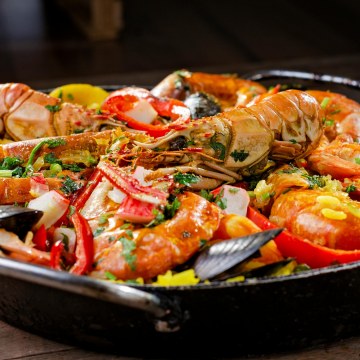
A Culinary White Paper on Cleaning, Timing, Flavour Extraction and Confidence
Shellfish cookery is often viewed as difficult because it involves ingredients that behave very differently from fish, meat or vegetables. Mussels must be checked for freshness, prawns require peeling and deveining, squid can become tough when overcooked, and octopus needs gentle cooking before it becomes tender.
However, shellfish is not difficult when approached with the right framework. The key principles are freshness, safe handling, correct preparation, staged cooking and flavour extraction.
The Shellfish Demystified menu focuses on mussels, prawns, squid and octopus, with dishes including grilled squid with salsa romesco, thin-sliced octopus carpaccio, mussels escabeche, prawn bisque, linguine allo scoglio and cioppino. The menu is designed around both quick and slow techniques, inspired by Mediterranean and coastal cuisines.
This paper outlines the core principles behind confident shellfish cooking and explains why these ingredients reward precision, timing and restraint.
1. Introduction
Shellfish has a unique place in coastal cooking. It is fast, aromatic, economical and deeply flavourful. A small amount of mussel liquor can season an entire pasta dish. Prawn shells can become the foundation of a rich bisque. Squid needs only a minute or two over high heat to become tender. Octopus, when cooked slowly and chilled, can be sliced into elegant carpaccio.
The challenge is that shellfish offers very little margin for error. Overcooked prawns become firm and dry. Squid turns rubbery. Mussels must be fresh and alive before cooking. Octopus needs time, patience and gentle heat.
Shellfish mastery is therefore built on a simple idea: understand each ingredient before applying heat.
2. Freshness and Food Safety
Shellfish should smell clean, fresh and lightly briny. It should never smell sour, overly fishy or unpleasant. All seafood should be purchased from a trusted supplier and kept chilled until use. Raw seafood should be kept separate from cooked items, and clean boards, knives and hands are essential throughout preparation.
Mussels require particular attention. They should be alive before cooking. Any mussels with cracked shells should be discarded. Open mussels should close when tapped; if they do not, they should not be used. After cooking, mussels that remain closed should also be discarded.
For prawns, the key preparation step is peeling and deveining. However, the shells and heads should not be treated as waste. They contain sweetness, colour and depth, making them one of the most valuable flavour-building elements in shellfish cookery.
3. Mussels: Fast Cooking and Natural Liquor
Mussels are one of the most efficient shellfish to cook. Once cleaned and debearded, they need only a few minutes of steaming. Their shells open as they cook, releasing a naturally salty, briny liquor that can be used to flavour sauces, marinades, soups and pasta.
In mussels escabeche, the mussels are steamed first, then marinated in a warm mixture of olive oil, vinegar, garlic, herbs, paprika, lemon peel and reserved mussel cooking liquor. The result is bright, savoury and aromatic. The warm marinade lightly pickles the mussels while preserving their sweetness.
The technical lessons are clear:
- cook mussels only until they open
- strain and reuse the cooking liquor
- balance vinegar with oil, sweetness and shellfish juices
- avoid burning paprika, as it can become bitter
- serve warm, chilled or at room temperature
Mussels teach one of the most important lessons in shellfish cookery: the cooking liquid is often as valuable as the seafood itself.
4. Prawns: Flavour Extraction from Shells and Heads
Prawn bisque demonstrates the economy and intelligence of shellfish cookery. The flavour of a bisque does not come only from the prawn meat. It comes primarily from the shells and heads.
When prawn shells are cooked with butter or olive oil, crushed, and simmered with aromatics, tomato, wine and stock, they release sweetness, colour and seafood depth. This creates a rich soup from parts of the ingredient that are often discarded. The class notes emphasise that prawn shells and heads are the most important part of the bisque and that extra shells can be frozen and collected for a stronger result.
The bisque process follows a classic flavour-building sequence:
- Peel and devein the prawns.
- Reserve the prawn meat chilled.
- Cook and crush the shells and heads.
- Add aromatics such as onion, carrot, celery and garlic.
- Add tomato paste and cook it out.
- Deglaze with wine or brandy.
- Simmer with stock and herbs.
- Blend briefly and strain firmly.
- Add prawn meat only at the end.
- Finish with cream, butter and lemon if desired.
The final lesson is timing. Prawn meat cooks quickly and should be added near the end so it remains tender.
5. Squid: High Heat, Short Time
Squid is one of the clearest examples of timing in seafood cookery. It should be cooked either very quickly over high heat or slowly until tender. Anything in between can make it tough.
Grilled squid with salsa romesco demonstrates the fast-cooking approach. The squid is patted dry, lightly seasoned, then grilled over very high heat. The goal is a lightly charred exterior and tender interior.
The romesco sauce provides the Mediterranean flavour structure: roasted capsicum, tomato, almonds, garlic, breadcrumbs, vinegar, paprika and olive oil. It is smoky, nutty, acidic and rich enough to complement the quick-cooked squid without overpowering it.
The key technical principles are:
- dry the squid thoroughly before cooking
- use a very hot grill or pan
- cook briefly
- avoid crowding the pan
- serve immediately
- pair with bold but balanced sauces
Squid teaches confidence. Once the pan is hot, hesitation leads to overcooking.
6. Octopus: Slow Cooking, Cooling and Thin Slicing
Octopus requires the opposite approach to squid. Instead of fast heat, it benefits from slow, gentle cooking. The goal is to relax the flesh until tender, then chill it fully before slicing.
For octopus carpaccio, the octopus is simmered gently with aromatics such as onion, carrot, celery, bay leaf, lemon, peppercorns and wine. It is cooked until tender, cooled in its cooking liquid, then chilled before slicing very thinly.
This process teaches three important points:
- octopus should simmer gently, not boil hard
- cooling in the liquid helps keep it moist
- chilling makes thin slicing easier
Once sliced, octopus benefits from acidity, herbs and olive oil. A lemon-herb dressing or yuzu-style vinaigrette can lift the dish while preserving its delicate texture.
Octopus is often considered intimidating, but its method is straightforward: gentle heat, patience and sharp slicing.
7. Building Shellfish Dishes in Stages
Mixed shellfish dishes require sequencing. Mussels, prawns and squid do not cook at the same speed. A successful seafood pasta or stew depends on adding each ingredient at the right time.
In linguine allo scoglio, the mussels are cooked first with wine. Their liquor becomes part of the pasta sauce. The pasta is then finished in the seafood broth so it absorbs the briny flavour. Prawns, squid and tomatoes are added late so they remain tender and fresh.
Cioppino follows the same logic. The tomato, fennel, garlic, wine and stock broth is built first. Mussels are added before the prawns and squid. The stew is simmered gently after the seafood goes in, preserving tenderness.
The rule is simple:
- build the sauce or broth first
- add mussels early enough to open
- add prawns and squid late
- avoid hard boiling once seafood is added
- serve immediately
This staged approach prevents overcooking and allows each type of seafood to contribute flavour without losing texture.
8. Flavour Architecture: Mediterranean and Coastal Principles
Shellfish works especially well with Mediterranean and coastal flavour profiles because these cuisines understand the balance between richness, acidity, herbs and brine.
Common flavour foundations include:
- olive oil
- garlic
- white wine
- tomato
- fennel
- parsley
- lemon
- vinegar
- paprika
- chilli
- crusty bread
These ingredients do not hide the seafood. They amplify it.
In escabeche, vinegar and olive oil preserve and brighten. In bisque, shells and aromatics create depth. In romesco, nuts, capsicum and paprika add smoke and body. In linguine allo scoglio, pasta water and shellfish liquor create a glossy sauce. In cioppino, tomato and stock form a rich broth for mixed seafood.
The best shellfish dishes are bold but not heavy. They should taste fresh, briny, aromatic and balanced.
9. Practical Framework for Shellfish Mastery
A practical shellfish framework can be built around five core techniques:
- Inspection and cleaning — mussels, prawns, squid and octopus
- Quick cooking — grilled squid and steamed mussels
- Slow cooking — octopus for carpaccio
- Flavour extraction — prawn shells for bisque
- Staged cooking — pasta and seafood stew
Together, these methods give cooks the confidence to approach shellfish without fear. They also show that shellfish cookery is not about complexity. It is about timing, freshness and respect for each ingredient’s structure.
Conclusion
Shellfish becomes approachable when each ingredient is understood on its own terms.
Mussels need freshness, cleaning and quick steaming. Prawns reward cooks who use both meat and shells. Squid demands high heat and speed. Octopus requires gentle cooking and chilling. Mixed seafood dishes succeed when ingredients are added in stages.
The broader lesson is that shellfish cookery is a balance of restraint and bold flavour. With clean handling, careful timing and smart use of natural seafood juices, shellfish can become one of the most rewarding areas of coastal cooking.
Shellfish Demystified is ultimately a philosophy: remove the fear, understand the ingredient, and let the sea speak through simple, confident technique.
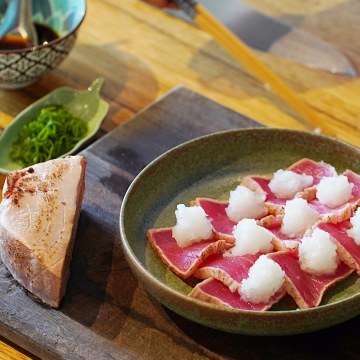
Fish Mastery: Learn the Art of Cooking Fish with French and Japanese Techniques
A Culinary White Paper on Precision, Restraint and Technique
Fish cookery is one of the most technically sensitive areas of the kitchen. Unlike meat, fish has a delicate muscle structure, low connective tissue and a short cooking window. Success depends less on heavy seasoning or complex preparation and more on freshness, temperature control, knife work, timing and balance.
French and Japanese culinary traditions offer two highly developed approaches to fish preparation. Japanese technique prioritises purity, precision, raw handling and restrained seasoning. French technique focuses on controlled heat, structured cooking methods and refined sauces. When combined, these traditions provide a strong foundation for mastering fish in both professional and home kitchens.
This blog explores the key principles behind fish mastery: ingredient selection, safe handling, raw preparation, searing, steaming, sauce making and whole fish cookery. It draws from the Fish Mastery menu framework, which includes tuna tataki, sushi and sashimi, fish tacos, snapper en papillote and salt-baked whole fish.
1. Introduction
Cooking fish well requires a shift in mindset. Fish should not be treated like beef, lamb or poultry. It cooks quickly, dries easily and is easily overwhelmed by excessive seasoning. The cook’s role is to protect the natural texture and flavour of the fish while applying just enough technique to enhance it.
Both French and Japanese cuisines share this respect for the ingredient. While their methods differ, their philosophy is similar: fish should remain the centre of the dish.
Japanese cookery often uses minimal intervention. A clean slice of sashimi, a balanced piece of sushi or a lightly seared tataki depends on freshness, knife skill and subtle seasoning.
French cookery often applies structure. Techniques such as en papillote, beurre blanc and salt-baking rely on heat management, moisture retention and sauce balance.
Together, these approaches create a complete technical framework for fish cookery.
2. The Importance of Freshness and Handling
Fish quality determines the final dish before cooking begins. Fresh fish should smell clean and mild, with firm flesh and a moist surface. A strong fishy or sour smell usually indicates poor quality or age.
For raw or lightly cooked preparations such as sashimi, sushi and tataki, the seafood must be suitable for raw consumption. It should remain chilled until the moment of preparation. Temperature control is essential because warmth can soften the flesh, release fat and affect texture.
Safe fish handling requires:
- clean knives and boards
- separation of raw and cooked ingredients
- chilled storage before use
- quick return of unused fish to refrigeration
- careful handwashing and bench sanitation
These practices are not only food safety requirements. They also preserve the quality of the fish.
3. Japanese Foundations: Precision and Restraint
Japanese fish preparation is built on precision. The knife is one of the most important tools in this tradition. A clean cut protects the texture of the fish and creates an elegant eating experience.
Sashimi and Sushi
Sashimi demonstrates the importance of knife control. The fish should be sliced in one smooth motion, not sawn back and forth. This keeps the surface clean and prevents tearing.
Sushi adds another layer of balance. The rice must be seasoned, warm but not hot, and handled gently. The fish should remain chilled, while the rice provides acidity, sweetness and structure.
The goal is harmony. Neither rice nor fish should dominate.
Tataki
Tataki is a useful bridge between raw and cooked fish. The outside is seared very briefly over high heat, while the centre remains raw or rare. The technique depends on three factors:
- very hot pan
- very short searing time
- rapid chilling after searing
This creates contrast between the lightly caramelised surface and the clean, fresh centre.
Seasonings such as ponzu, yuzu, daikon, tamari and spring onion add acidity, umami and freshness without masking the fish.
4. French Foundations: Controlled Heat and Sauce Balance
French fish cookery focuses on control. Heat is applied carefully, sauces are structured and seasoning is layered with intention.
En Papillote
En papillote means cooking in a paper parcel. Fish is placed with vegetables, aromatics, citrus and a small amount of wine or stock, then sealed and baked.
Inside the parcel, steam gently cooks the fish. This protects moisture and allows the aromatics to perfume the dish. It is an excellent method for delicate fillets such as snapper, barramundi or sea bream.
The key technical points are:
- thin, even vegetable cuts
- proper sealing of the parcel
- gentle oven heat
- avoiding overcooking
- opening the parcel close to serving
Beurre Blanc
Beurre blanc is a classic French butter sauce made by reducing wine and acid, then whisking in cold butter. It is rich, glossy and lightly acidic.
For fish, acidity is essential. Without it, butter sauces can feel heavy. Citrus such as lemon or yuzu helps lift the sauce and balance the richness.
The sauce should be warm and stable, not boiling. Excessive heat can cause it to split.
5. Whole Fish Cookery
Cooking whole fish is one of the best ways to understand the ingredient. A whole fish offers flavour from the bones, skin and cavity aromatics. It also encourages the cook to think about doneness more carefully.
Salt-baking is a particularly effective technique. A mixture of coarse salt and egg white forms a crust around the fish. As the fish bakes, the crust traps steam, keeping the flesh moist and gently seasoned.
The method is simple but dramatic:
- Fill the cavity with herbs, citrus and aromatics.
- Cover the fish completely with salt crust.
- Bake until cooked through.
- Rest before opening.
- Crack the crust and lift the fillets from the bone.
The finished fish should be moist, clean and lightly seasoned, not salty.
6. Understanding Doneness
Overcooking is the most common mistake in fish preparation. Fish continues to cook after it leaves the heat, so it should be removed just before it appears fully done.
A properly cooked fillet should be moist and tender. It may flake gently, but it should not be dry or chalky.
Different techniques require different doneness cues:
- Sashimi: clean, cold, raw texture
- Tataki: seared outside, rare centre
- Pan-seared fish: lightly browned surface, moist interior
- En papillote: gentle steam, tender flakes
- Salt-baked whole fish: moist flesh lifting cleanly from the bone
Mastery comes from observation: appearance, touch, aroma and timing.
7. Balance as a Culinary Principle
Fish requires balance more than intensity. Strong flavours can easily overwhelm it. The best fish dishes use acidity, salt, fat and aromatics with restraint.
Japanese examples include ponzu, yuzu, tamari, daikon and spring onion. These ingredients brighten and sharpen the fish.
French examples include beurre blanc, herbs, wine, lemon and delicate vegetable aromatics. These ingredients add richness and structure.
Even more casual preparations, such as fish tacos, follow the same principle. The fish is supported by acidity from lime, freshness from slaw and richness from crema.
The fish remains the hero.
8. Practical Framework for Fish Mastery
A strong foundation in fish cookery can be built around five core methods:
- Raw preparation — sashimi and sushi
- Light searing — tataki
- Quick pan cooking — tacos or simple fillets
- Gentle steaming — en papillote
- Whole fish baking — salt crust
Together, these methods teach the essential skills of fish handling, knife work, seasoning, heat control and doneness.
They also show that fish cookery does not need to be complicated. The techniques are precise, but the philosophy is simple: choose good fish, handle it carefully, cook it gently or quickly, and season it with balance.
Conclusion
Fish mastery is not defined by elaborate recipes. It is defined by judgement.
French and Japanese techniques provide two complementary pathways. Japanese cookery teaches clarity, restraint and precision. French cookery teaches structure, controlled heat and sauce craft. Together, they form a complete approach to cooking fish with confidence.
When handled well, fish needs very little. A sharp knife, clean seasoning, careful heat and respect for freshness are enough to create dishes that are elegant, balanced and deeply satisfying.

The Mid-Autumn Festival is more than just a date on the calendar—it’s a celebration of family, unity, and traditions passed down through generations. And at the heart of this festival sits the mooncake: round, rich, and full of meaning. But here’s the thing: while mooncakes are delicious, how you present them matters just as much as what’s inside.
.jpeg)
When you think of the Mid-Autumn Festival, the first image that comes to mind is probably a golden mooncake. These round pastries are more than just sweets—they carry centuries of tradition, family togetherness, and cultural symbolism.