A Culinary White Paper on Cleaning, Timing, Flavour Extraction and Confidence
Shellfish cookery is often viewed as difficult because it involves ingredients that behave very differently from fish, meat or vegetables. Mussels must be checked for freshness, prawns require peeling and deveining, squid can become tough when overcooked, and octopus needs gentle cooking before it becomes tender.
However, shellfish is not difficult when approached with the right framework. The key principles are freshness, safe handling, correct preparation, staged cooking and flavour extraction.
The Shellfish Demystified menu focuses on mussels, prawns, squid and octopus, with dishes including grilled squid with salsa romesco, thin-sliced octopus carpaccio, mussels escabeche, prawn bisque, linguine allo scoglio and cioppino. The menu is designed around both quick and slow techniques, inspired by Mediterranean and coastal cuisines.
This paper outlines the core principles behind confident shellfish cooking and explains why these ingredients reward precision, timing and restraint.
1. Introduction
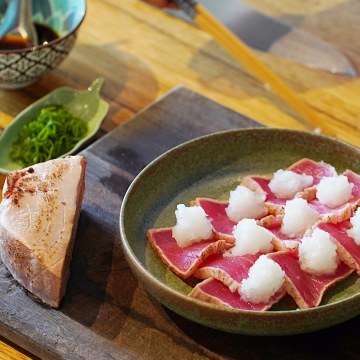
Shellfish has a unique place in coastal cooking. It is fast, aromatic, economical and deeply flavourful. A small amount of mussel liquor can season an entire pasta dish. Prawn shells can become the foundation of a rich bisque. Squid needs only a minute or two over high heat to become tender. Octopus, when cooked slowly and chilled, can be sliced into elegant carpaccio.
The challenge is that shellfish offers very little margin for error. Overcooked prawns become firm and dry. Squid turns rubbery. Mussels must be fresh and alive before cooking. Octopus needs time, patience and gentle heat.
Shellfish mastery is therefore built on a simple idea: understand each ingredient before applying heat.
2. Freshness and Food Safety
Shellfish should smell clean, fresh and lightly briny. It should never smell sour, overly fishy or unpleasant. All seafood should be purchased from a trusted supplier and kept chilled until use. Raw seafood should be kept separate from cooked items, and clean boards, knives and hands are essential throughout preparation.
Mussels require particular attention. They should be alive before cooking. Any mussels with cracked shells should be discarded. Open mussels should close when tapped; if they do not, they should not be used. After cooking, mussels that remain closed should also be discarded.
For prawns, the key preparation step is peeling and deveining. However, the shells and heads should not be treated as waste. They contain sweetness, colour and depth, making them one of the most valuable flavour-building elements in shellfish cookery.
3. Mussels: Fast Cooking and Natural Liquor
Mussels are one of the most efficient shellfish to cook. Once cleaned and debearded, they need only a few minutes of steaming. Their shells open as they cook, releasing a naturally salty, briny liquor that can be used to flavour sauces, marinades, soups and pasta.
In mussels escabeche, the mussels are steamed first, then marinated in a warm mixture of olive oil, vinegar, garlic, herbs, paprika, lemon peel and reserved mussel cooking liquor. The result is bright, savoury and aromatic. The warm marinade lightly pickles the mussels while preserving their sweetness.
The technical lessons are clear:
- cook mussels only until they open
- strain and reuse the cooking liquor
- balance vinegar with oil, sweetness and shellfish juices
- avoid burning paprika, as it can become bitter
- serve warm, chilled or at room temperature
Mussels teach one of the most important lessons in shellfish cookery: the cooking liquid is often as valuable as the seafood itself.
4. Prawns: Flavour Extraction from Shells and Heads
Prawn bisque demonstrates the economy and intelligence of shellfish cookery. The flavour of a bisque does not come only from the prawn meat. It comes primarily from the shells and heads.
When prawn shells are cooked with butter or olive oil, crushed, and simmered with aromatics, tomato, wine and stock, they release sweetness, colour and seafood depth. This creates a rich soup from parts of the ingredient that are often discarded. The class notes emphasise that prawn shells and heads are the most important part of the bisque and that extra shells can be frozen and collected for a stronger result.
The bisque process follows a classic flavour-building sequence:
- Peel and devein the prawns.
- Reserve the prawn meat chilled.
- Cook and crush the shells and heads.
- Add aromatics such as onion, carrot, celery and garlic.
- Add tomato paste and cook it out.
- Deglaze with wine or brandy.
- Simmer with stock and herbs.
- Blend briefly and strain firmly.
- Add prawn meat only at the end.
- Finish with cream, butter and lemon if desired.
The final lesson is timing. Prawn meat cooks quickly and should be added near the end so it remains tender.
5. Squid: High Heat, Short Time
Squid is one of the clearest examples of timing in seafood cookery. It should be cooked either very quickly over high heat or slowly until tender. Anything in between can make it tough.
Grilled squid with salsa romesco demonstrates the fast-cooking approach. The squid is patted dry, lightly seasoned, then grilled over very high heat. The goal is a lightly charred exterior and tender interior.
The romesco sauce provides the Mediterranean flavour structure: roasted capsicum, tomato, almonds, garlic, breadcrumbs, vinegar, paprika and olive oil. It is smoky, nutty, acidic and rich enough to complement the quick-cooked squid without overpowering it.
The key technical principles are:
- dry the squid thoroughly before cooking
- use a very hot grill or pan
- cook briefly
- avoid crowding the pan
- serve immediately
- pair with bold but balanced sauces
Squid teaches confidence. Once the pan is hot, hesitation leads to overcooking.
6. Octopus: Slow Cooking, Cooling and Thin Slicing
Octopus requires the opposite approach to squid. Instead of fast heat, it benefits from slow, gentle cooking. The goal is to relax the flesh until tender, then chill it fully before slicing.
For octopus carpaccio, the octopus is simmered gently with aromatics such as onion, carrot, celery, bay leaf, lemon, peppercorns and wine. It is cooked until tender, cooled in its cooking liquid, then chilled before slicing very thinly.
This process teaches three important points:
- octopus should simmer gently, not boil hard
- cooling in the liquid helps keep it moist
- chilling makes thin slicing easier
Once sliced, octopus benefits from acidity, herbs and olive oil. A lemon-herb dressing or yuzu-style vinaigrette can lift the dish while preserving its delicate texture.
Octopus is often considered intimidating, but its method is straightforward: gentle heat, patience and sharp slicing.
7. Building Shellfish Dishes in Stages
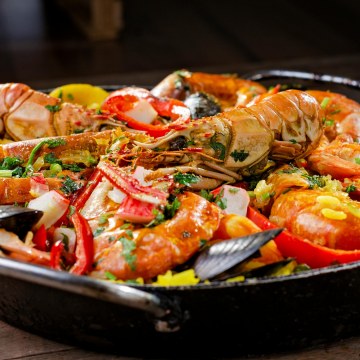
Mixed shellfish dishes require sequencing. Mussels, prawns and squid do not cook at the same speed. A successful seafood pasta or stew depends on adding each ingredient at the right time.
In linguine allo scoglio, the mussels are cooked first with wine. Their liquor becomes part of the pasta sauce. The pasta is then finished in the seafood broth so it absorbs the briny flavour. Prawns, squid and tomatoes are added late so they remain tender and fresh.
Cioppino follows the same logic. The tomato, fennel, garlic, wine and stock broth is built first. Mussels are added before the prawns and squid. The stew is simmered gently after the seafood goes in, preserving tenderness.
The rule is simple:
- build the sauce or broth first
- add mussels early enough to open
- add prawns and squid late
- avoid hard boiling once seafood is added
- serve immediately
This staged approach prevents overcooking and allows each type of seafood to contribute flavour without losing texture.
8. Flavour Architecture: Mediterranean and Coastal Principles
Shellfish works especially well with Mediterranean and coastal flavour profiles because these cuisines understand the balance between richness, acidity, herbs and brine.
Common flavour foundations include:
- olive oil
- garlic
- white wine
- tomato
- fennel
- parsley
- lemon
- vinegar
- paprika
- chilli
- crusty bread
These ingredients do not hide the seafood. They amplify it.
In escabeche, vinegar and olive oil preserve and brighten. In bisque, shells and aromatics create depth. In romesco, nuts, capsicum and paprika add smoke and body. In linguine allo scoglio, pasta water and shellfish liquor create a glossy sauce. In cioppino, tomato and stock form a rich broth for mixed seafood.
The best shellfish dishes are bold but not heavy. They should taste fresh, briny, aromatic and balanced.
9. Practical Framework for Shellfish Mastery
A practical shellfish framework can be built around five core techniques:
- Inspection and cleaning — mussels, prawns, squid and octopus
- Quick cooking — grilled squid and steamed mussels
- Slow cooking — octopus for carpaccio
- Flavour extraction — prawn shells for bisque
- Staged cooking — pasta and seafood stew
Together, these methods give cooks the confidence to approach shellfish without fear. They also show that shellfish cookery is not about complexity. It is about timing, freshness and respect for each ingredient’s structure.
Conclusion
Shellfish becomes approachable when each ingredient is understood on its own terms.
Mussels need freshness, cleaning and quick steaming. Prawns reward cooks who use both meat and shells. Squid demands high heat and speed. Octopus requires gentle cooking and chilling. Mixed seafood dishes succeed when ingredients are added in stages.
The broader lesson is that shellfish cookery is a balance of restraint and bold flavour. With clean handling, careful timing and smart use of natural seafood juices, shellfish can become one of the most rewarding areas of coastal cooking.
Shellfish Demystified is ultimately a philosophy: remove the fear, understand the ingredient, and let the sea speak through simple, confident technique.




.jpeg)







.jfif)












 " style="-webkit-font-smoothing: antialiased; color: rgb(46, 145, 252);">Buy On Amazon Fr $16.99