Cooking confidence is not natural talent — it is learned
Many people searching for a cooking class in Melbourne are not trying to become restaurant chefs. They want something more practical: to cook better meals at home, waste less food, understand ingredients, and stop feeling lost when they open the fridge.
Across Melbourne Reddit discussions, the same questions appear again and again: Where can I learn basic cooking? Are there beginner-friendly classes? Are there affordable or social options? Is there a course that teaches real home-cooking fundamentals rather than a one-off foodie experience? Reddit’s own search results for “cooking class Melbourne” show repeated posts about basic cooking classes, beginner-friendly cooking classes, cheap cooking classes, group cooking clubs, and short cooking lessons around Melbourne.
One recent discussion captured the core problem clearly: the person wanted to learn to cook in Melbourne’s west, felt they lacked the creativity to turn pantry ingredients into meals, relied heavily on recipes, and was frustrated by food waste.
That concern is common. Cooking is often presented as something intuitive — as if good cooks simply “throw things together.” In reality, most confident cooks learned through structure, repetition, and guidance.
What Melbourne beginners actually want from cooking classes
The Reddit conversations reveal a useful pattern. People are not only searching for entertainment-style classes. They are looking for cooking education that solves everyday problems.
In one thread, a user said they felt behind in their cooking skills after becoming single and living alone, and asked for cooking classes or even social cooking company in Melbourne. Another commenter replied that many options seemed to fall into two extremes: full-time chef school or one-off food experiences, while what they really wanted was a weekly course covering skills, ingredients, and essentials — essentially, “how to be a good home cook.”
Another Melbourne user wanted to gift their partner cooking lessons and specifically asked for short courses, ideally in the west or north, that taught a “ground up” style of cooking. The replies recommended options such as Free to Feed, ClassBento, Brunswick Kitchen, Foodie Trails, William Angliss, and OTAO Kitchen.
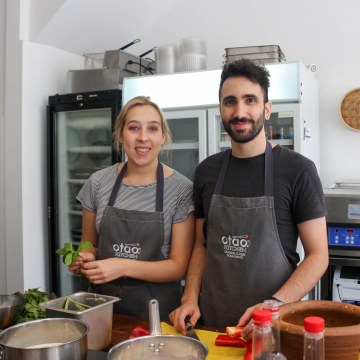
A separate beginner-focused post asked for classes that cater to complete newcomers, especially hands-on lessons focused on simple, practical meals. In that thread, one commenter said they had attended classes at OTAO Kitchen and “loved” them.
The insight is clear: people want practical, confidence-building cooking classes in Melbourne — not just impressive recipes.
The problem with relying on recipes alone
Recipes are useful. In fact, one of the strongest messages from the Reddit discussion is that needing a recipe is not a weakness. A professional chef in the thread pointed out that professional kitchens use recipes too, and that combining ingredients confidently takes experience.
The issue is not whether someone uses a recipe. The issue is whether they understand the techniques behind the recipe.
A beginner may follow instructions but still struggle with questions such as:
- Why is the chicken dry?
- How hot should the pan be?
- What does “golden brown” actually look like?
- How do I season properly?
- What can I substitute safely?
- How do I use leftovers without ruining the meal?
- How do I prepare ingredients before cooking starts?
Several Reddit responses pointed beginners toward YouTube, RecipeTin Eats, meal kits, simple recipes, knife skills, food storage, and basic techniques such as boiling, frying, grilling, and baking. These are helpful tools, but for many people, self-learning still leaves a gap: there is no instructor watching, correcting, and explaining in real time.
That is where a structured, hands-on cooking class becomes valuable.
Why hands-on learning matters
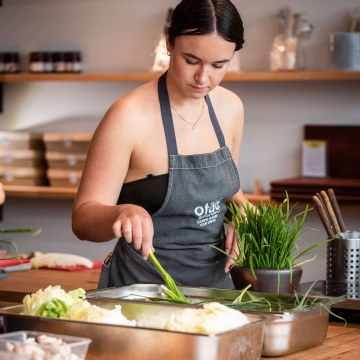
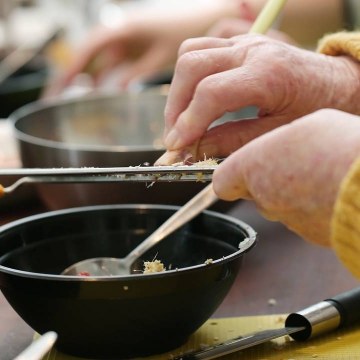
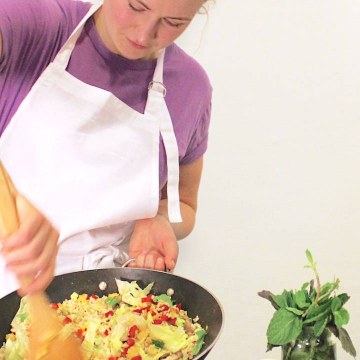
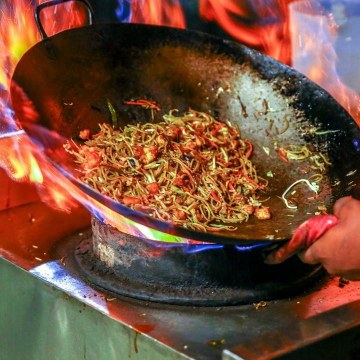
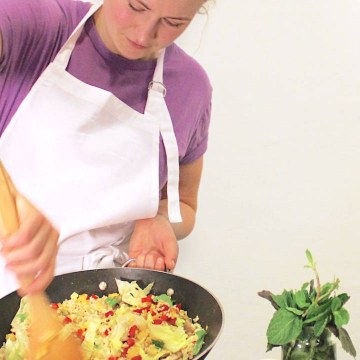
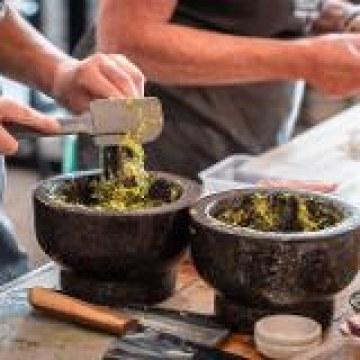
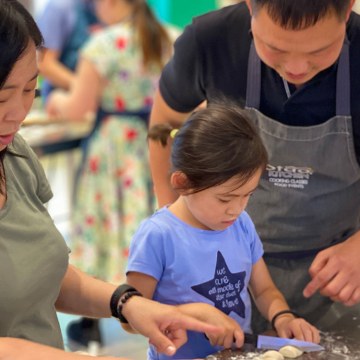
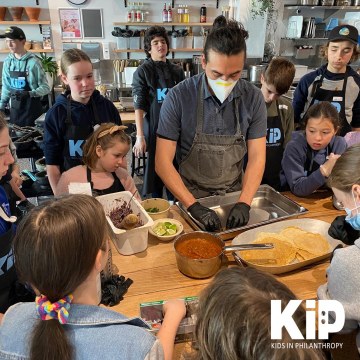
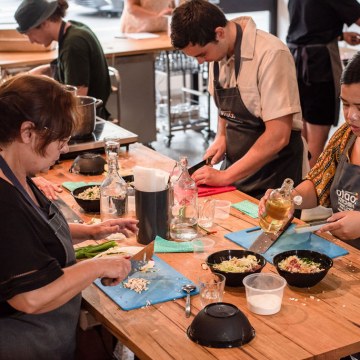
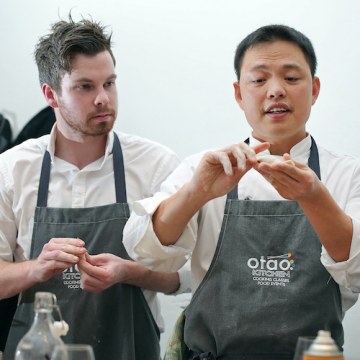
Cooking is physical. You learn by chopping, smelling, tasting, adjusting, stirring, searing, kneading, and plating. Watching a video can help, but it cannot fully replace doing the work with a chef beside you.
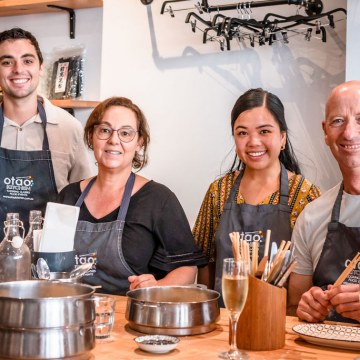
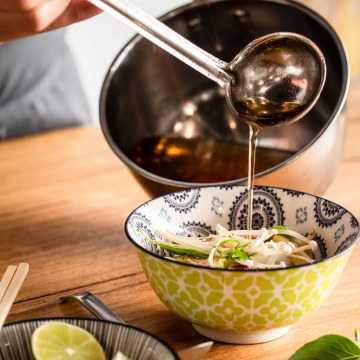
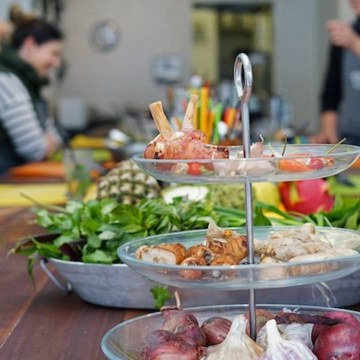
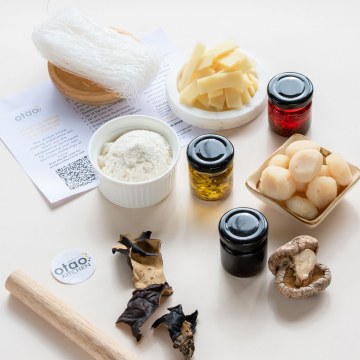
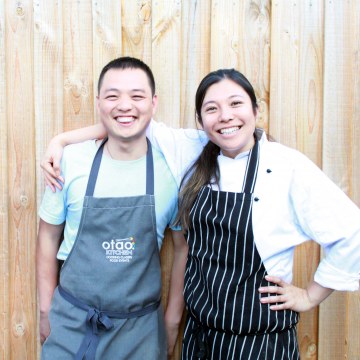
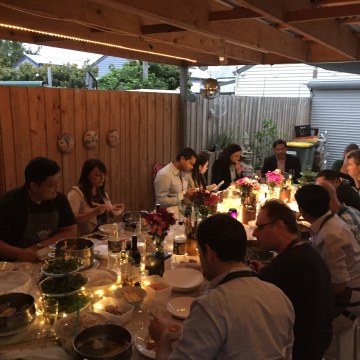
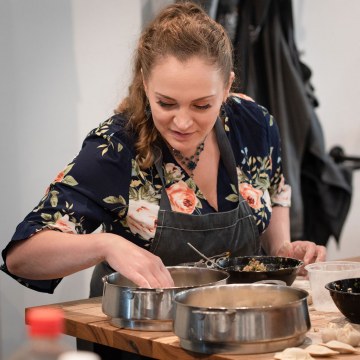
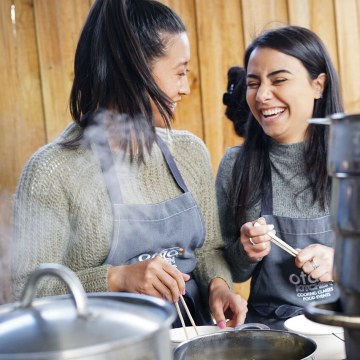
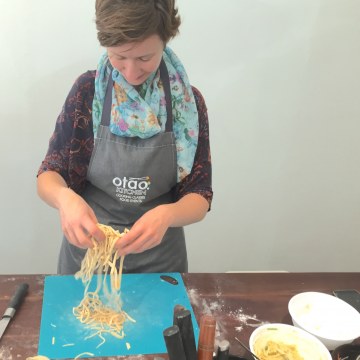
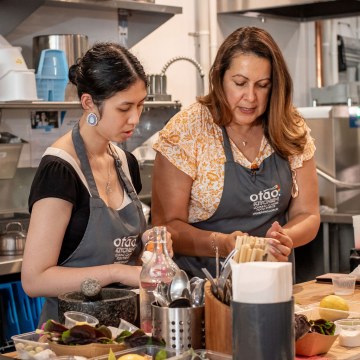
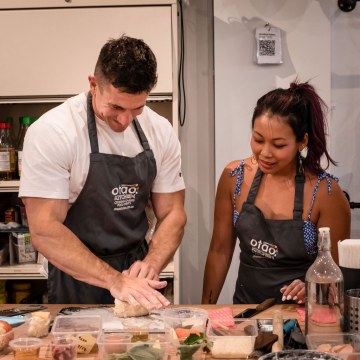
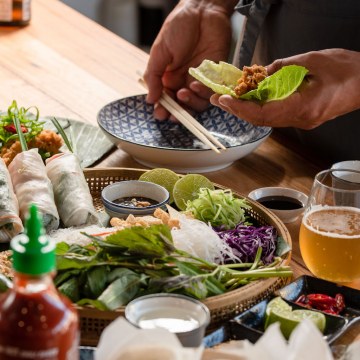
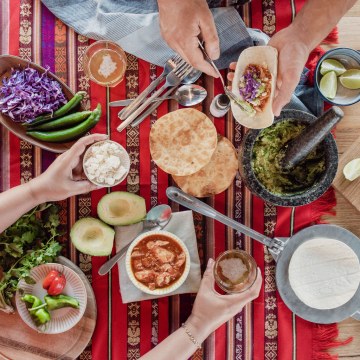
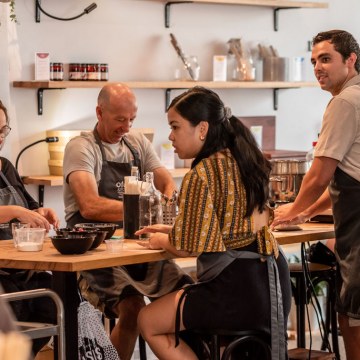
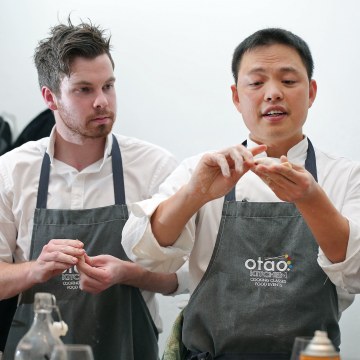
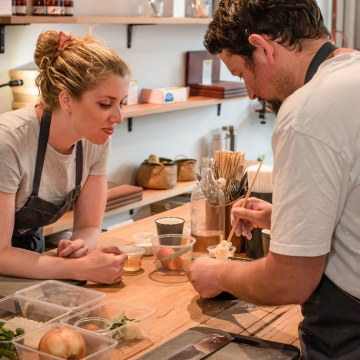
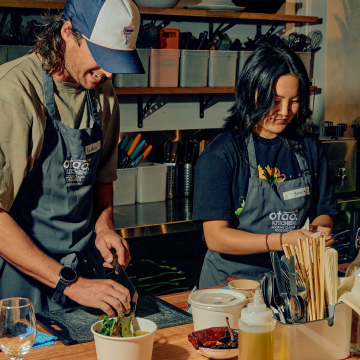
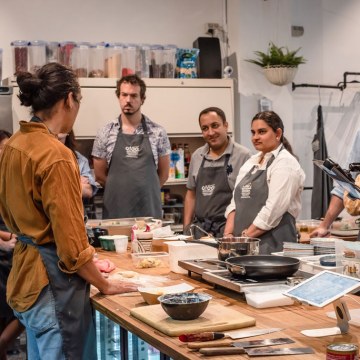
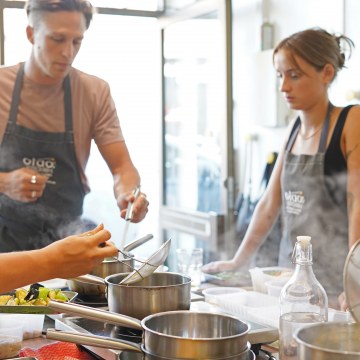
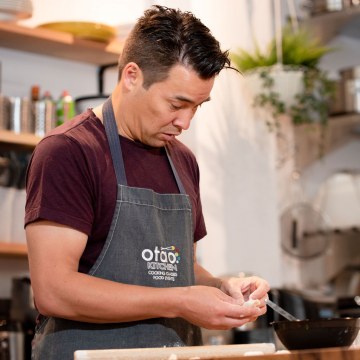
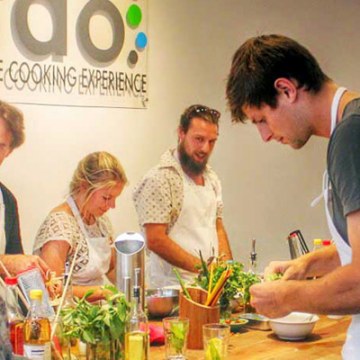
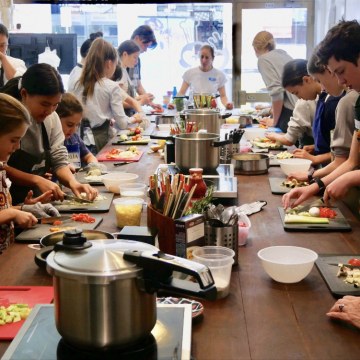
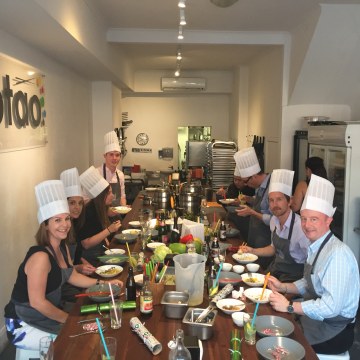
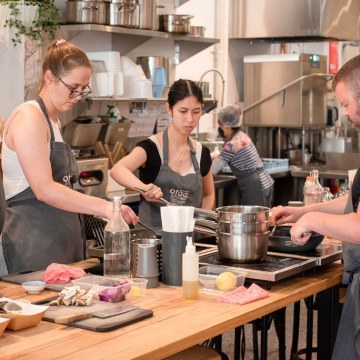
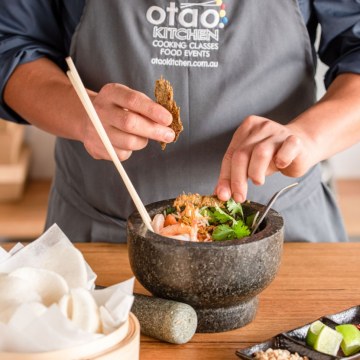
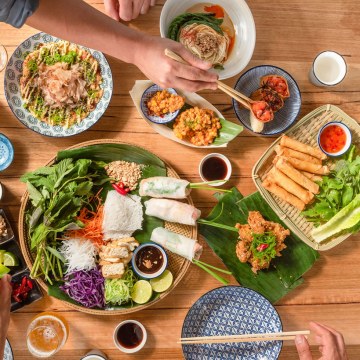
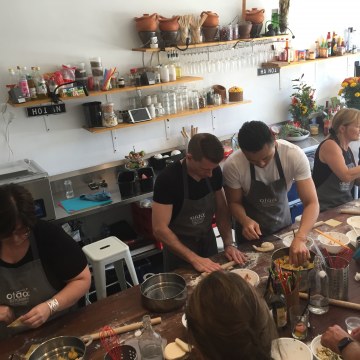
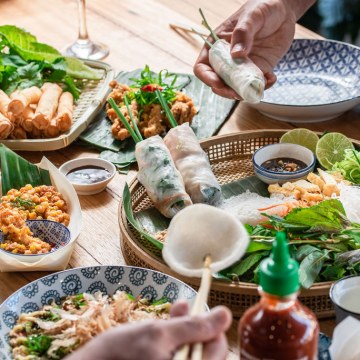
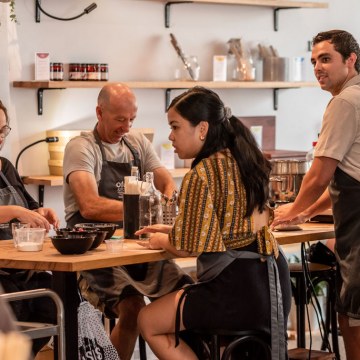
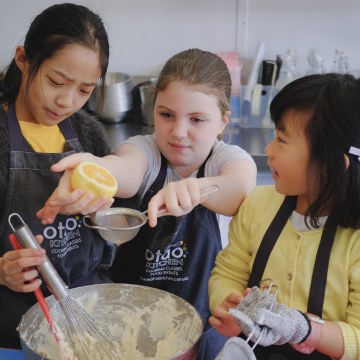
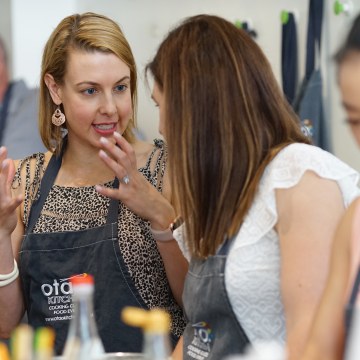
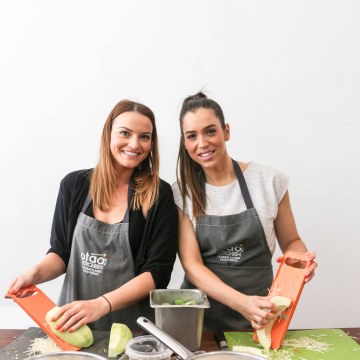
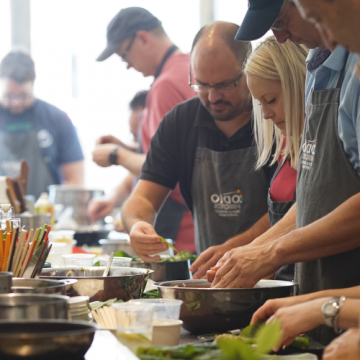
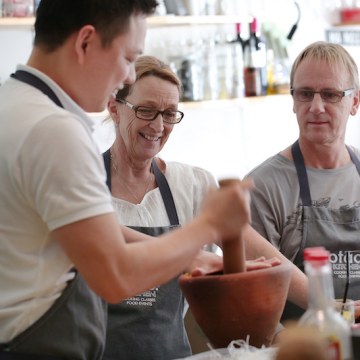
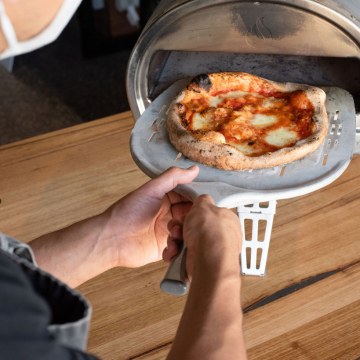
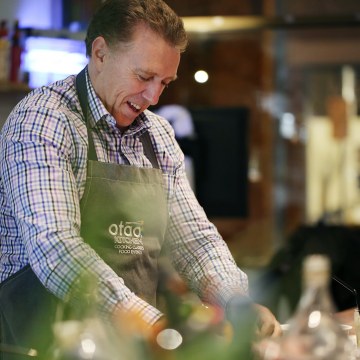
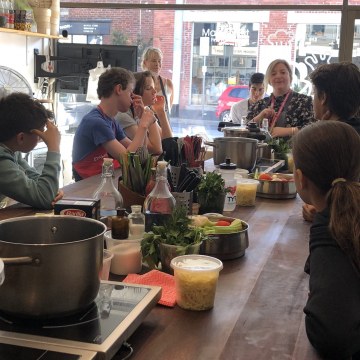
OTAO Kitchen describes its Melbourne cooking classes as small-group, expert-chef, 100% hands-on experiences. Its classes cover a wide range of cuisines including Thai, Vietnamese, Japanese, Chinese, Indian, Italian, Mexican, and more, and are designed for different skill levels.
This directly responds to what Melbourne learners are asking for: practical lessons, real skills, social learning, and confidence in the kitchen.
OTAO Kitchen’s answer: from beginner cook to confident home chef
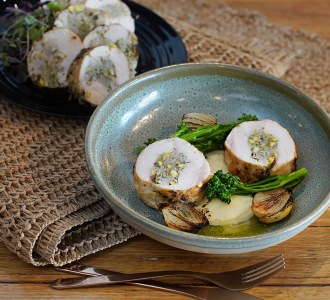
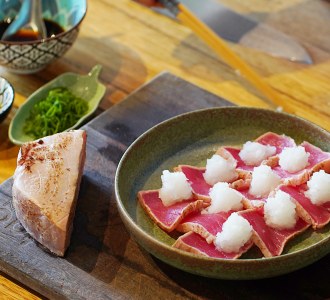
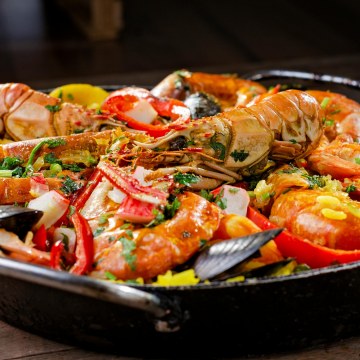
For people who want more than a single cooking experience, OTAO Kitchen’s Confident Home Chef Program is especially relevant. OTAO describes the program as a hands-on, structured series led by expert chefs, guiding learners from essential skills to more advanced techniques. The program covers proteins, seafood, plant-based dishes, bakery, pastry, sauces, fermentation, and pickling.
This matters because many beginners do not only need recipes. They need a framework.
The program’s modules align closely with the problems raised in the Reddit discussions:
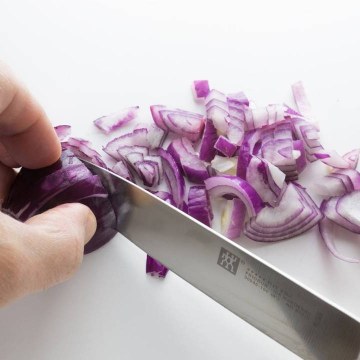
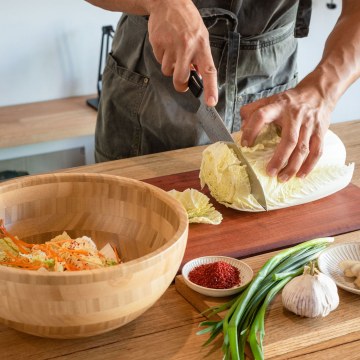
- Knife skills help beginners prepare safely and efficiently.
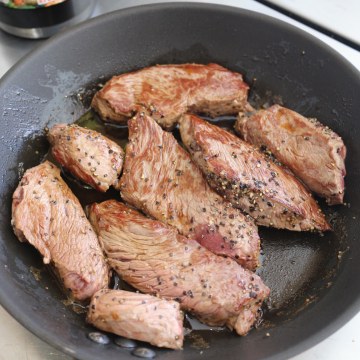
- Poultry, beef, lamb, pork, and seafood classes help people understand how to choose, cook, and rest proteins.
- Vegetable and plant-based classes help learners make everyday meals more balanced and satisfying.
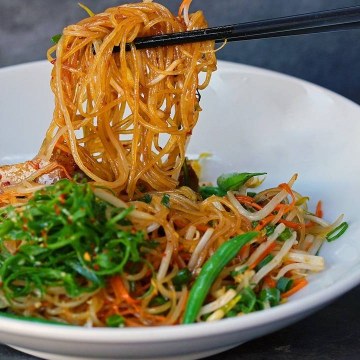
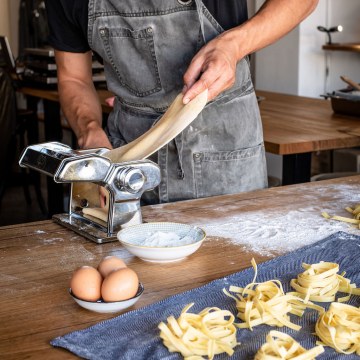
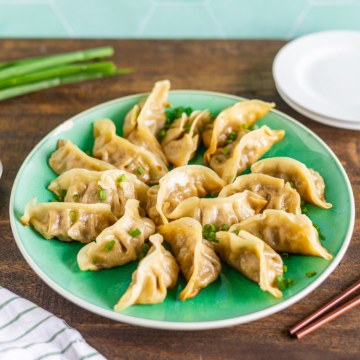
- Pasta, noodles, and dumplings give home cooks flexible, repeatable meals.
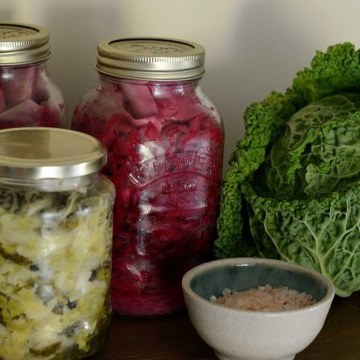
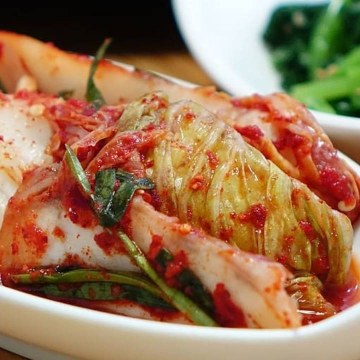
- Sauces, fermentation, and pickling help reduce waste and build flavour.
- Bakery, pastry, and desserts expand confidence beyond dinner.
OTAO’s cooking class listings also include shorter masterclasses, such as dumplings, Japanese, Korean, Thai, Vietnamese, Indian, Italian, Mexican, and quick cooking classes, with options varying by length and price on its current cooking class page.
A cooking class should teach the “why,” not only the “what”
The best cooking class does more than show participants how to make one dish. It teaches transferable skills.
A beginner who learns only one recipe can make one meal. A beginner who learns how to season, sear, simmer, balance flavour, and organise their cooking process can make many meals.
That is the difference between a recipe class and a confidence-building class.
Reddit users repeatedly mentioned the value of learning fundamentals: knife skills, basic recipes, food storage, sanitation, cooking methods, preparation, timing, and understanding how flavours work. OTAO Kitchen’s Home Chef pathway fits this need because it is structured around practical cooking categories rather than isolated recipes.
Cooking classes can also reduce food waste
Food waste was one of the strongest pain points in the original discussion. Failed meals are frustrating, especially when grocery prices are high.
Good cooking education helps reduce waste in several ways. It teaches people to plan better, use ingredients across multiple meals, understand shelf life, build flavour from pantry staples, and recover when a dish is not perfect.
One Reddit commenter noted that confidence in the kitchen is not just about combining ingredients — it is also about preparation, pacing, timing, and not panicking during the process. That is exactly the type of skill that hands-on learning can develop.
When people understand technique, they are less likely to throw away food because they feel unsure what to do with it.
Why Melbourne is the right city for this kind of cooking education
Melbourne’s food culture is diverse, practical, and deeply multicultural. A strong cooking class in Melbourne should reflect that.
Visit Victoria lists OTAO Kitchen at 393 Victoria Street, Abbotsford, and describes it as offering immersive cooking experiences that celebrate Melbourne’s multicultural food scene. The listing also notes a broad range of cuisine types including Asian, Australian, Chinese, Indian, Italian, Japanese, Korean, Lebanese, Malaysian, Mediterranean, Mexican, Middle Eastern, seafood, Thai, vegan, vegetarian, and Vietnamese.
That diversity is important for beginner cooks. Learning across cuisines helps people understand flavour combinations, cooking methods, pantry ingredients, and different ways to prepare familiar proteins and vegetables.
Who should consider a cooking class in Melbourne?
A hands-on cooking class is a good fit for people who:
- Need practical home-cooking confidence.
- Rely on recipes but want to understand techniques.
- Waste food because they are unsure how to use ingredients.
- Want to cook better for themselves, family, or friends.
- Prefer learning by doing rather than only watching videos.
- Want a social, enjoyable experience with expert guidance.
- Are looking for a gift that is useful, memorable, and skill-building.
For complete beginners, the best starting point is not a complex restaurant-style dish. It is a class that teaches foundations: knife skills, heat control, seasoning, timing, preparation, and simple meals that can be repeated at home.
Conclusion: Melbourne cooks do not need more pressure — they need better pathways
The real demand behind “cooking class Melbourne” is not just entertainment. It is confidence.
People want to move from recipe anxiety to practical ability. They want to stop wasting ingredients. They want to cook meals they actually enjoy eating. They want to understand what works, what does not, and why.
The Reddit discussions show that Melbourne learners are actively looking for beginner-friendly, hands-on, practical, and sometimes longer-form cooking education. OTAO Kitchen’s classes — especially the Confident Home Chef Program — answer that need by combining expert instruction, hands-on practice, multicultural cooking, and a structured pathway from basic skills to more advanced home-chef confidence.
For anyone who has ever looked into the pantry and thought, “I have food, but I don’t know what to cook,” a good cooking class is not a luxury. It is an investment in everyday independence.
OTAO Kitchen’s Confident Home Chef Program offers a professional, hands-on pathway for that next step. By covering core areas such as proteins, seafood, plant-based cooking, pastry, bakery, sauces, preserving, and fermentation, it gives home cooks a broader foundation than a single recipe class can provide. For learners who want to waste less food, cook with more confidence, and understand what they are doing in the kitchen, it is a strong program to consider.




.jpeg)
.jfif)


 " style="-webkit-font-smoothing: antialiased; color: rgb(46, 145, 252);">Buy On Amazon Fr $16.99