
The Art of Japanese Cooking (Washoku): A Deep Dive into Tradition, Technique, and Taste
The Art of Japanese Cooking (Washoku): A Deep Dive into Tradition, Technique, and Taste
Japanese cuisine is often described as simple—but that simplicity is deceptive. Behind every bowl of rice, every slice of sashimi, and every perfectly balanced meal lies centuries of refinement, cultural philosophy, and technical precision.
Known as washoku, Japanese cooking is not just about food—it’s about harmony, seasonality, and respect for ingredients. Recognised by UNESCO as an Intangible Cultural Heritage, it continues to shape how the world understands flavour and balance.
What Makes Japanese Cuisine Unique?
At its core, Japanese cooking is about balance and intention.
Unlike many cuisines that build complexity through heavy seasoning, Japanese food focuses on enhancing natural flavours.
Key characteristics include:
- Minimal use of fats and oils
- Emphasis on fresh, seasonal ingredients
- Clean, well-defined flavours
- Thoughtful presentation and portioning
Meals are designed not just to taste good—but to feel balanced and complete.
The Foundation: One Soup, Three Sides
A traditional Japanese meal follows a structure known as ichijū-sansai (one soup, three sides).
This includes:
- Rice (gohan) – the central staple
- Soup – usually miso or a light broth
- Three side dishes (okazu):
- Protein (fish, tofu, or meat)
- Cooked vegetables
- Pickled or fresh elements
👉 Why this matters:
- Creates nutritional balance
- Offers variety in texture and flavour
- Keeps portions controlled and intentional
A Cuisine Shaped by History
Japanese cooking didn’t evolve overnight—it reflects centuries of cultural shifts.
Key influences:
- Buddhism:
- Limited meat consumption for over 1,000 years
- Encouraged plant-based and seafood diets
- Geography:
- Island nation → heavy reliance on seafood
- Abundance of seasonal produce
- Preservation techniques:
- Fermentation led to early forms of sushi
- Pickling became essential
- Western influence (Meiji era):
- Introduction of meat dishes
- Development of favourites like:
- Curry rice
- Tonkatsu
- Ramen
Seasonality: Eating with the Seasons
One of the most important concepts in Japanese cooking is “shun”—eating ingredients at their peak.
This means:
- Spring → light, fresh flavours (bamboo shoots, greens)
- Summer → cooling dishes (cold noodles, light broths)
- Autumn → rich, earthy ingredients (mushrooms, chestnuts)
- Winter → hearty, warming meals (hot pots, simmered dishes)
👉 The goal:
- Maximise flavour naturally
- Connect food to nature and time
Essential Ingredients in Japanese Cooking
Japanese cuisine relies on a small number of foundational ingredients used with precision.
Core staples
- Rice (short-grain, slightly sticky)
- Noodles:
- Soba (buckwheat)
- Udon (thick wheat noodles)
- Ramen (modern adaptation)
Flavour builders
- Dashi (stock made from seaweed and fish)
- Soy sauce
- Miso paste
- Mirin and sake
Supporting ingredients
- Seafood (fish, shellfish)
- Tofu and soy products
- Seaweed (nori, wakame)
- Pickles (tsukemono)
👉 The magic lies not in variety—but in how these ingredients are combined.
Mastering Japanese Cooking Techniques
Japanese cuisine uses a range of techniques—each chosen carefully based on the ingredient.
Key methods:
- Raw – sashimi (precision and knife skills)
- Grilled – yakimono (clean, smoky flavour)
- Simmered – nimono (gentle, flavour absorption)
- Steamed – mushimono (light and delicate)
- Deep-fried – tempura (light, crisp batter)
- Dressed/pickled – sunomono, aemono
👉 Important insight:
- Cooking method is chosen to respect the ingredient, not overpower it.
Presentation: Eating with Your Eyes First
Japanese food is as much visual as it is culinary.
Common principles:
- Each dish served separately
- Colours balanced across the meal
- Seasonal elements reflected in plating
- Natural garnishes like leaves or flowers
Even the table layout matters:
- Rice on the left
- Soup on the right
- Side dishes arranged carefully
Dining Culture and Etiquette
Japanese dining is deeply rooted in respect and ritual.
Before eating
- Say “Itadakimasu” (gratitude for the meal)
After eating
- Say “Gochisō-sama deshita” (thank you for the feast)
Other customs
- Chopsticks placement matters
- Individual portions are preferred
- Avoid mixing flavours on one plate
Japanese Cuisine Around the World
Today, Japanese food is global:
- Sushi is as common as sandwiches in many cities
- Ramen shops are booming worldwide
- Japanese techniques influence fine dining
Despite global adaptations, the core philosophy remains:
👉 balance, simplicity, and respect for ingredients
A Local Perspective: Bringing Japanese Cooking to Life
In modern culinary spaces, these traditional principles continue to be practiced and reinterpreted.
At Otao Kitchen, for example:
- Menus reflect balance and seasonality
- Dishes highlight stock-based flavour building and technique
- Cooking classes focus on:
- Knife skills
- Butchery and preparation
- Core cooking methods like roasting, braising, and sautéing
- Participants experience how traditional principles translate into real cooking
This kind of hands-on approach bridges the gap between theory and practice—making Japanese cuisine more accessible while preserving its essence.
Shopping for Japanese Cooking Ingredients in Melbourne
Getting started with Japanese cooking begins with one thing: buying the right ingredients. Because Japanese cuisine is simple and balanced, quality matters more than quantity.
Essential Ingredients to Start With
Focus on a small, core pantry:
- Sushi rice (short-grain)
- Soy sauce (naturally brewed)
- Miso paste (white or red)
- Dashi (stock base – kombu & bonito flakes)
- Mirin and rice vinegar
👉 With just these, you can already cook many classic dishes.
Where to Shop in Melbourne
Best Japanese Grocers
- Suzuran (Camberwell)
- Fuji Mart (South Yarra)
- Hinoki Pantry (Fitzroy)
Budget-Friendly Options
- KT Mart / H-Mart
Fresh Produce & Seafood
- Queen Victoria Market
- South Melbourne Market
💡 Ask for fresh or sashimi-grade fish when needed.
Quick Buying Tips
- Choose short-grain rice (not long-grain)
- Start with white miso (milder flavour)
- Pick simple, high-quality soy sauce
- Always prioritise fresh seafood and vegetables
Keep It Seasonal
Even in Melbourne, follow Japanese principles:
- Light dishes in summer
- Warm broths in winter
- Use what’s fresh and local
Final Thoughts
Japanese cooking teaches us that great food doesn’t need to be complicated.
Instead, it’s about:
- Respecting ingredients
- Understanding balance
- Cooking with intention
Whether in a traditional kitchen or a modern class setting, these principles remain timeless.
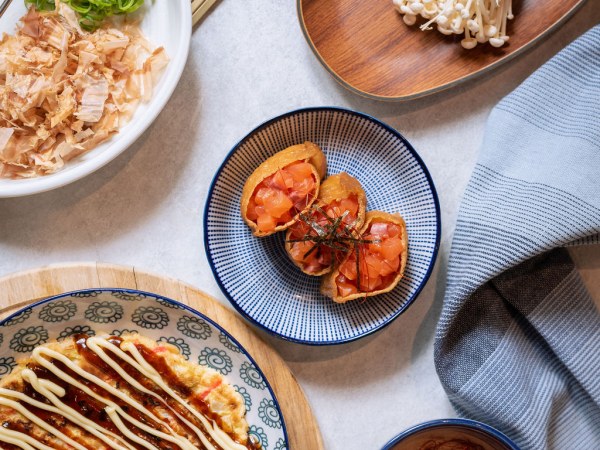
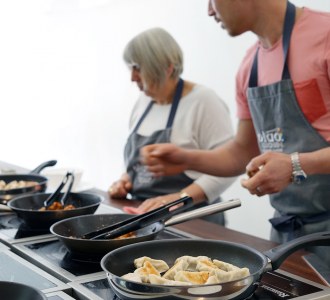
Japanese Cooking Masterclass
Indulge in the exquisite flavours of Japan, featuring the freshest seafood and seasonal vegetables prepared with...
Duration 2.5–3 hours
From AUD $207 Book nowExperiences
Melbourne is one of Australia’s most exciting food cities, known for its vibrant markets, multicultural cuisine and passionate chefs. It’s no surprise that cooking classes in Melbourne have become one of the most popular food experiences for locals, travellers, couples, and corporate groups.
But with so many cooking schools and culinary experiences available, how do you choose the right one?
Whether you’re looking to learn new skills, explore global cuisines or enjoy a unique social experience, here are 7 expert tips to consider when selecting the right cooking class in Melbourne.
1. Hands-On Cooking vs Demonstration Classes
Not all cooking classes are the same.
Some classes focus mainly on demonstrations, where participants watch the chef prepare dishes with limited participation.
Others offer a fully hands-on cooking experience, where you actively prepare the ingredients, cook the dishes and plate the final meal.
There are few that have a combination of demonstrations and a limited amount of cooking or putting together ingredients.
If your goal is to gain practical cooking skills and confidence in the kitchen, a hands-on cooking class is usually the most rewarding option.
Tip: Look for experiences where participants are encouraged to cook, taste and experiment throughout the session.
2. Learn From Experienced Chefs
The chef leading the class plays a major role in the quality of the experience.
A great cooking class chef instructor should combine:
- Professional culinary experience,
- Deep knowledge of the cuisine, and
- The ability to teach techniques clearly,
making the class engaging and accessible for participants of all backgrounds and skill levels.
Many of the best cooking classes are taught by chefs who have cultural connections to the cuisine they teach. This allows them to share authentic stories, ingredient knowledge and traditions that go far beyond a recipe.
Tip: A great cooking class should be led by a qualified chef instructor, not just a food enthusiast.
3. Class Size and Interaction
Class size can significantly influence your overall experience.
Smaller classes often provide more interaction with the chef, personalised guidance while cooking, and a relaxed social atmosphere.
Larger classes can still be enjoyable, particularly for team-building activities, but the structure should ensure that everyone remains involved and engaged.
Tip: When researching cooking classes in Melbourne, it’s always worth checking how many participants typically attend each session.
4. Learning Techniques, Not Just Recipes
Some classes focus on preparing one or two dishes.
The most valuable cooking classes also teach fundamental cooking techniques such as:
- Knife skills,
- Flavour balancing,
- Ingredient selection,
- Timing and preparation
Learning these techniques means you can recreate and adapt dishes confidently at home.
Tip: When evaluating a cooking class, ask yourself: "Will I be learning cooking techniques or just recipes?"
5. The Social Experience
Cooking classes are not only about learning. They are also about sharing food and enjoying the experience together.
Many classes finish with participants sitting down to enjoy the dishes they prepared together.
This shared dining experience makes cooking classes ideal for couples, friends, travellers, and corporate groups.
Tip: A great cooking class blends learning, collaboration and enjoyment.
6. Safety and Professional Standards
A professional cooking class should prioritise food safety, organisation and clear supervision.
Because classes involve shared kitchens, sharp tools and heat, it’s crucial that the venue follows recognised food safety and operational standards.
Reputable venues should also carry public liability insurance and have instructors with recognised food safety training or certifications.
Some cooking schools may also be connected with tourism or hospitality industry organisations, reflecting their commitment to maintaining professional standards.
Choosing a compliant and professionally run venue helps ensure a safe and enjoyable cooking experience.
Tip: Look for cooking schools that operate as a registered food business, comply with local health regulations and maintain clean, well-equipped kitchens.
7. Location and Atmosphere
The venue itself can also influence the overall experience.
Cooking classes located in vibrant food precincts or cultural neighbourhoods can offer a deeper connection to the cuisine.
Some experiences also incorporate:
- Market visits,
- Ingredient sourcing and supplier intros,
- Cultural storytelling.
These elements help turn a simple cooking class into a memorable culinary experience.
Tip: Check where the cooking class is held. It is a at a purpose-built, safe venue or at someone's living room?
Finding the Right Cooking Class in Melbourne
Melbourne offers an incredible variety of cooking classes and culinary experiences.
When choosing a cooking class in Melbourne, look beyond the menu. Think about the format, the instructor, the class size, the depth of learning and the overall atmosphere.
The most rewarding classes usually combine:
-
hands-on participation
-
experienced and qualified instruction
-
cultural knowledge
-
useful techniques
-
a warm, social and safe dining experience
Whether you are a local looking to sharpen your kitchen skills or a visitor wanting a memorable food experience, Melbourne offers cooking classes for every kind of cook.
If you choose well, you will leave with more than recipes. You will leave with confidence, inspiration and an experience worth talking about.
About Otao Kitchen
Otao Kitchen is one of Melbourne’s well-known cooking schools, located in Abbotsford just 3.5 km from the CBD. Established in 2014, it operates from a purpose-built cooking school with two commercial teaching kitchens designed for hands-on learning.
The school specialises in multicultural cuisines, offering classes such as Thai, Vietnamese, Japanese, Italian pasta making, and dumplings. Classes are led by professional chef instructors and focus on practical skills, authentic recipes, and shared dining experiences.
With over 300 5-star Google reviews and strong ratings, Otao Kitchen has become a popular destination for locals, tourists, and corporate team-building events looking for an engaging cooking experience in Melbourne. We deliver most of the cooking classes in Melbourne with 500+ cooking classes per year with over 8,000 happy customers.
Cooking Masterclasses Overview
Australian
Cooking with Australian Ingredients Masterclass
North Asia
Dumplings Party | Chinese Cooking Masterclass | Japanese Cooking Masterclass | Korean Cooking Masterclass
South & South East Asia
Thai Cooking Masterclass | Vietnamese Cooking Masterclass | Street Food of Asia | Malaysian Cooking Masterclass | Mooncake Making Class | Indian Cooking Masterclass
Europe
Pizza Making Party | Italian Cooking Masterclass | Spanish Cooking Masterclass | Greek Cooking Masterclass
Middle East
Middle Eastern Lebanese Cooking Masterclass
Latin America
Mexican Cooking Masterclass | Flavors of Latin America Masterclass | Latin Desserts Masterclass
The Confident Home Chef Program
Poultry Essentials | Beef and Lamb Essentials | Seafood Mastery | Pork and Game Essentials | Vegetables & Plant-Based Mastery | Pastry and Dessert Specialties | Artisan Handcrafted Skills: Pasta, Noodles & Dumplings Mastery | Sauces, Fermentation & Pickling Specialties | Bakery Specialties | Knife Skills' Masterclass
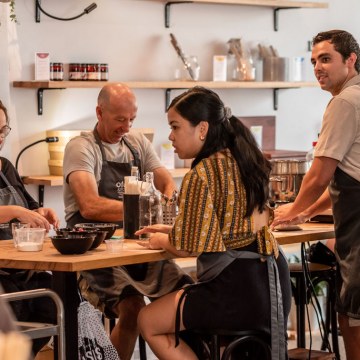
A Guide to Learning, Eating and Enjoying the Experience
Melbourne is one of Australia’s great food cities. From neighbourhood cafés and bustling markets to global cuisines from every corner of the world, food is part of the city’s identity.
For many locals and visitors, enjoying Melbourne’s food scene does not stop at restaurants. More people are looking for hands-on experiences that let them learn, cook, share a meal, and take away practical skills they can use again at home.
That is why cooking classes in Melbourne have become such a popular activity for couples, friends, families, tourists, and corporate groups.
But with so many options available, how do you choose the right class?
This guide will help you understand what to look for in a cooking class, what type of experience may suit you best, and how to find a class that offers more than just a recipe.
Why Take a Cooking Class in Melbourne?
Cooking classes offer something that dining out cannot. They are interactive, social, and memorable.
A good class can help you:
-
learn practical cooking skills you can use at home
-
build confidence in the kitchen
-
explore new cuisines and ingredients
-
enjoy a shared experience with friends, family, or colleagues
-
discover the cultural stories behind dishes
-
sit down and enjoy the food you have made together
For visitors to Melbourne, a cooking class can also be a meaningful way to experience the city’s multicultural food culture beyond restaurants and cafés.
Comparison Table: Top Cooking Class in Melbourne
Below is a comparison of some well-known cooking schools in Melbourne.
Cooking Classes | Location | Distance from CBD | Cuisine Focus | Founded | Google Reviews | Capacity |
Otao Kitchen | Abbotsford | 3.5 km | Multicultural cuisines | 2014 | 300+ | 10–80 |
Savour Chocolate & Patisserie | Brunswick | 7 km | Pastry & desserts | 2002 | 250–400 | 10–20 |
CAE (Centre for Adult Education) | Box Hill | 14 km | Multicultural | 1947 | 200–300 | 10–20 |
Relish Mama | Cheltenham | 18 km | Italian & Spanish | 2009 | 250–350 | 10–18 |
GK Tapas Bar & Restaurant | Moonee Ponds | 7 km | Spanish tapas | 2013 | 400–700 | 8–20 |
Yes Chef Cooking School | Carlton | 2 km | Western cuisine | 2012 | 70–100 | 4–12 |
Cooking With Lola | CBD | 1 km | Spanish | 2015 | 40–80 | 4–10 |
Cooking On The Bay | Bayside | 16 km | French | 2010 | 80–120 | 4–12 |
Spice Bazaar | Seddon | 7 km | Middle Eastern | 2014 | 50–90 | 6–12 |
Heavenly Morsel | Bentleigh East | 22 km | Indian | 2014 | 100–200 | 4–10 |
Brunswick Kitchen | Brunswick | 6 km | Vietnamese / Asian | 2018 | 30–60 | 6–12 |
Trupp The Chef Table | South Yarra | 4 km | French | 2016 | 30–60 | 6–14 |
What Type of Cooking Class Suits You?
Not all cooking classes are the same. Some are highly interactive, while others focus more on watching, tasting, and listening. Understanding the format is the first step in choosing the right experience.
Hands-On Cooking Classes
Hands-on classes are ideal for people who want to actively cook, learn techniques, and build confidence.
In this type of class, participants usually prepare dishes themselves, often working in pairs or small groups with guidance from the chef. This format is especially valuable if your goal is to improve your skills rather than simply enjoy a demonstration.
Hands-on classes are often best for:
-
beginners who want practical guidance
-
home cooks wanting to improve technique
-
couples or friends looking for an interactive experience
-
team-building groups who want to cook together
Demonstration-Style Classes
Demonstration classes focus more on observing a chef prepare dishes while explaining ingredients, methods, and ideas.
These classes can be enjoyable if you want inspiration, food knowledge, or a relaxed culinary event without doing all the cooking yourself. They may also suit people who are more interested in tasting and conversation than active participation.
They are often best for:
-
food lovers who enjoy watching expert chefs
-
guests looking for a more relaxed pace
-
people interested in ideas and inspiration rather than skill-building
Social Dining Experiences with Cooking Elements
Some classes combine cooking with socialising and shared dining. These experiences are popular for date nights, celebrations, and group events because they balance learning with enjoyment.
If your main goal is to have fun, meet people, and enjoy a memorable meal, this style of class can be a great option.
Why the Instructor Matters
One of the biggest differences between cooking classes is the quality of the teaching.
A skilled chef instructor does more than guide people through a recipe. They explain the “why” behind the cooking, help troubleshoot mistakes, and show techniques that participants can apply beyond that one class.
A strong instructor often brings:
-
real culinary experience
-
confidence in teaching different skill levels
-
deep knowledge of ingredients and techniques
-
the ability to explain cultural context and food traditions
-
practical tips that make home cooking easier
This is particularly important in multicultural cooking classes. Learning how to prepare a dish is useful, but understanding its background, flavour balance, regional influences, and traditional methods makes the experience much richer.
Cultural Knowledge Makes the Experience Better
Melbourne’s food culture is shaped by many communities and traditions, and this is reflected in the cooking classes available across the city.
A meaningful class should not only show you what to cook, but also help you understand where a dish comes from and why it is prepared in a certain way.
Whether it is handmade pasta, Thai street food, dumplings, curry pastes, or Spanish tapas, cultural context adds depth to the experience. It can turn a simple lesson into something more memorable, educational, and authentic.
For many people, this is one of the most rewarding parts of joining a cooking class.
Class Size and Level of Interaction
Class size has a major impact on the experience.
Smaller classes often allow for more one-on-one attention, easier conversation, and closer guidance from the chef. Larger classes can create a lively atmosphere, but they may offer less personal interaction depending on how they are structured.
When choosing a class, it is worth considering:
-
how many participants will attend
-
whether you cook individually, in pairs, or in groups
-
how much direct support the instructor provides
-
whether the kitchen space is designed for teaching
A well-run class should still feel personal, even in a group setting. Participants should have enough opportunity to ask questions, get involved, and practise the techniques being taught.
Does the Class Teach Techniques or Just Recipes?
This is one of the most important questions to ask.
Some classes focus mainly on following a recipe step by step. That can still be fun, especially for a social occasion, but the learning may end there.
Other classes teach broader cooking techniques that can be used again and again at home. These classes tend to offer more long-term value because they help participants become better cooks, not just complete one dish.
Look for classes that teach skills such as:
-
knife handling and preparation
-
balancing flavours
-
heat control and timing
-
seasoning correctly
-
working with herbs, spices, sauces, and aromatics
-
adapting techniques across different dishes
A technique-focused class often leaves participants with greater confidence and a better understanding of cooking as a whole.
The Best Cooking Classes Offer More Than Food
A memorable cooking class is about more than what ends up on the plate.
The overall experience matters just as much as the menu. Many people choose cooking classes because they want a combination of learning, connection, and enjoyment.
A great class often includes:
-
a warm and welcoming atmosphere
-
opportunities to cook and interact
-
time to sit down and enjoy the meal
-
a sense of shared experience
-
recipes or take-home notes to continue learning later
For couples, it can be a unique date activity. For travellers, it can be a cultural experience. For friends and families, it can be a fun and meaningful way to spend time together. For workplaces, it can be an engaging team-building event.
What to Look For Before Booking
Before choosing a cooking class in Melbourne, it helps to consider a few practical points.
1. Is it hands-on?
If you want to improve your cooking, make sure the class gives you real involvement in preparing the dishes.
2. Who is teaching it?
Look for instructors with professional experience and strong teaching ability.
3. How big is the class?
Check whether the group size will allow enough interaction and support.
4. What will you actually learn?
Choose a class that teaches useful techniques, not just a fixed recipe.
5. What is included?
Some classes include ingredients, aprons, recipe packs, and a sit-down meal afterward.
6. Can dietary needs be accommodated?
This is especially important for group bookings and mixed households.
7. What kind of atmosphere are you looking for?
Some people want a serious skills-based class. Others want a relaxed and social experience. The best choice depends on your goal.
Who Cooking Classes Are Great For
Cooking classes in Melbourne can suit a wide range of people.
They are especially popular with:
-
couples looking for a unique date activity
-
friends wanting to do something interactive together
-
families sharing a food experience
-
tourists wanting to experience Melbourne through food
-
home cooks building confidence
-
corporate teams seeking a social and collaborative activity
The flexibility of cooking classes is part of their appeal. Some people join to learn. Others join to celebrate. The best classes manage to do both.
Why Melbourne Is Ideal for Cooking Experiences
Melbourne is especially well suited to cooking classes because of its diversity. The city’s food culture is influenced by Italian, Greek, Vietnamese, Thai, Chinese, Indian, Spanish, Middle Eastern, Japanese, and many other culinary traditions.
That means participants can explore a wide variety of cuisines and techniques in one city, whether they are interested in pasta making, dumplings, curries, street food, pastries, or modern fusion cooking.
It also means a cooking class here can feel like more than a lesson. It can be a way to better understand the flavours and communities that shape Melbourne itself.
Final Thoughts
The right cooking class can give you much more than a meal.
It can teach you practical skills, deepen your understanding of food, introduce you to new cultures, and create a genuinely enjoyable experience to share with others.
When choosing a cooking class in Melbourne, look beyond the menu. Think about the format, the instructor, the class size, the depth of learning, and the overall atmosphere.
The most rewarding classes usually combine:
-
hands-on participation
-
experienced teaching
-
cultural knowledge
-
useful techniques
-
a warm, social dining experience
Whether you are a local looking to sharpen your kitchen skills or a visitor wanting a memorable food experience, Melbourne offers cooking classes for every kind of cook.
If you choose well, you will leave with more than recipes. You will leave with confidence, inspiration, and an experience worth talking about.
Otao Kitchen
Otao Kitchen is one of Melbourne’s well-known cooking schools, located in Abbotsford just 3.5 km from the CBD. Established in 2014, it operates from a purpose-built cooking school with two commercial teaching kitchens designed for hands-on learning.
The school specialises in multicultural cuisines, offering classes such as Thai, Vietnamese, Japanese, Italian pasta making, and dumplings. Classes are led by professional chef instructors and focus on practical skills, authentic recipes, and shared dining experiences.
With 300+ Google reviews and strong ratings, Otao Kitchen has become a popular destination for locals, tourists, and corporate team-building events looking for an engaging cooking experience in Melbourne. We deliver most of the cooking classes in Melbourne with 500+ cooking classes per year with over 8,000 happy customers.
Australian Cooking with Australian Ingredients Masterclass
North Asia Dumplings Party | Chinese Cooking Masterclass | Japanese Cooking Masterclass | Korean Cooking Masterclass
Southeast Asia Thai Cooking Masterclass | Vietnamese Cooking Masterclass | Street Food of Asia | Malaysian Cooking Masterclass | Mooncake Making Class South Asia Indian Cooking Masterclass
Europe Pizza Making Party | Italian Cooking Masterclass | Spanish Cooking Masterclass | Greek Cooking Masterclass
Middle East Middle Eastern Lebanese Cooking Masterclass
Latin America Mexican Cooking Masterclass | Flavors of Latin America Masterclass | Latin Desserts Masterclass
The Confident Home Chef Program Poultry Essentials | Beef and Lamb Essentials | Seafood Mastery | Pork and Game Essentials | Vegetables & Plant-Based Mastery | Pastry and Dessert Specialties | Artisan Handcrafted Skills: Pasta, Noodles & Dumplings Mastery | Sauces, Fermentation & Pickling Specialties | Bakery Specialties | Knife Skills' Masterclass
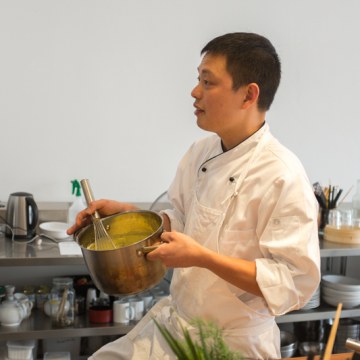
Cooking isn’t just about food—it’s about independence, creativity, and confidence. For NDIS participants, learning to cook can be life-changing. It’s a skill that opens doors to healthier living, self-reliance, and a sense of accomplishment.
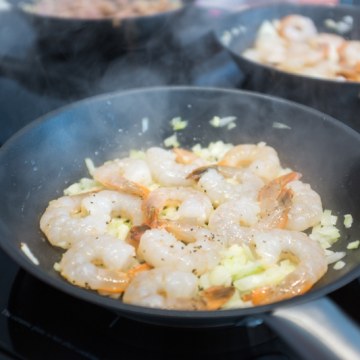
Cooking doesn’t need to be complicated. In fact, some of the simplest recipes are often the most rewarding—especially when they help you feel more independent in the kitchen.
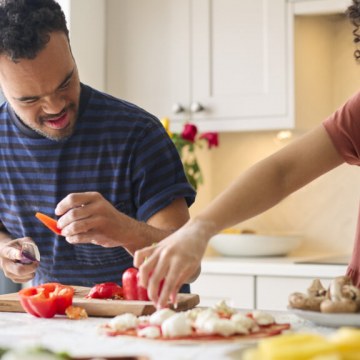
Cooking is so much more than putting food on a plate. It’s about making choices, creating something with your own hands, and enjoying the reward of a meal you prepared yourself. For many NDIS participants, learning to cook is an important step toward greater independence, confidence, and self-expression.
Forget another ordinary night at a restaurant, food lovers are craving something more. These days, it’s all about experiences that go beyond just eating out. That’s why one-night-only cooking events are quickly becoming the hottest trend for foodies. They combine the thrill of exclusivity, the joy of hands-on cooking, and the excitement of learning directly from culinary pros.
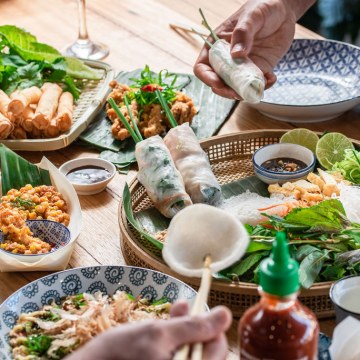
Top Cooking Experiences in Australia: A Food Lover’s Guide
Australia is a paradise for food lovers, offering an incredible variety of cooking classes and culinary adventures. From hands-on kitchen experiences in vibrant cities to immersive retreats in breathtaking countryside locations, there's something to ignite every foodie’s passion. Whether you're a home cook or a culinary explorer, these are some of the top cooking experiences in Australia.
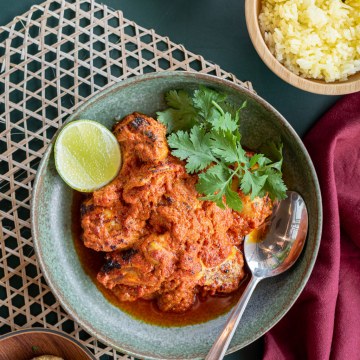
Fun Beginner Cooking Classes to Try in Adelaide in 2025
Are you ready to spice things up in the kitchen? Whether you're a complete novice or someone wanting to brush up on essential skills, Adelaide’s cooking classes in 2025 are the perfect way to explore your inner chef. From mastering Japanese sushi rolls to crafting homemade pasta, these hands-on classes are fun, delicious, and perfect for beginners.
Why Join a Cooking Class in Adelaide?
Cooking isn’t just about preparing food — it’s an experience. You’ll learn fundamental techniques, understand how to balance flavours, and discover global cuisines in a relaxed, supportive environment. Plus, cooking classes are a great way to socialise, bond with family or friends, or simply unwind after a busy week.
Whether you're looking for date night ideas, school holiday fun for kids, or a team-building activity, there’s something for everyone.
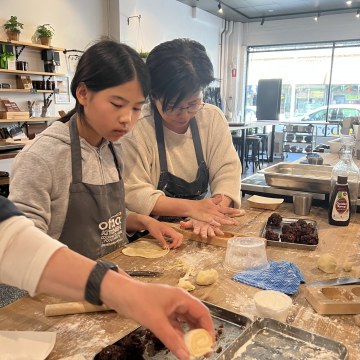
Canberra may be known for its politics and galleries, but its culinary scene is quietly thriving — especially when it comes to hands-on food experiences. From crafting perfect croissants to uncovering the magic of fresh truffles, the capital offers a rich variety of cooking classes for every kind of food lover. Whether you're a home baker, a gourmet enthusiast, or simply looking for a fun group activity, these top-rated cooking classes in Canberra will inspire your inner chef. We've rounded up five of the best, each offering something uniquely delicious — and well worth exploring.
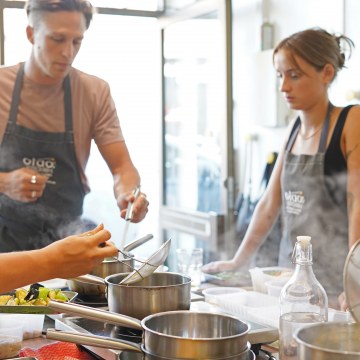
Discover the Best Cooking Classes & Culinary Experiences in Sunshine Coast, QLD
The Sunshine Coast isn’t just a haven of beautiful beaches and hinterland views—it’s also a rising hub for culinary exploration. From hands-on Asian cooking classes to immersive wellness retreats, there’s something here for every food lover. Whether you're a local or visiting for a weekend getaway, these standout cooking experiences will ignite your passion for food and deepen your connection to culture, community, and wellbeing.
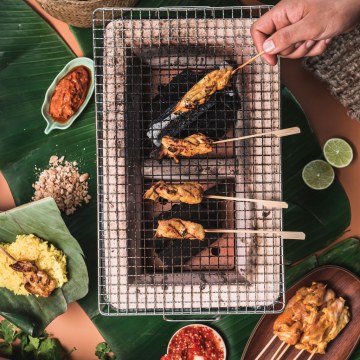
Top Cooking Classes in Brisbane for 2025
Discover hands-on culinary experiences, from sourdough and street food to French fine dining and regional flavours.
Brisbane’s food scene is thriving, and so is the appetite for cooking classes that teach more than just recipes — they offer connection, creativity, and confidence in the kitchen. Whether you're a beginner or a seasoned home cook, these top Brisbane cooking schools for 2025 offer something unique to spice up your culinary journey.
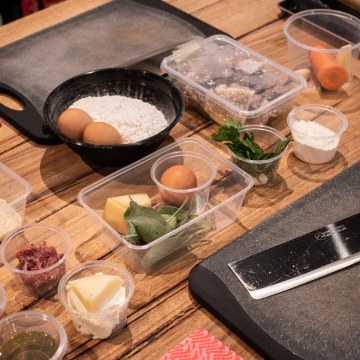
The Best Cooking Classes in Sydney: Where to Learn, Cook & Savour
Sydney is a food lover’s paradise, bursting with multicultural flavours, world-class ingredients, and a passionate culinary community. Whether you’re a curious beginner or a home chef wanting to level up your skills, Sydney offers a delicious array of cooking classes to suit every interest — from traditional Italian pasta making to sustainable seafood and French fine dining. Here's our ultimate list of the best cooking classes in Sydney.
Embarking on a culinary journey through Vietnam is like exploring a canvas painted with vibrant flavors and rich traditions. This Southeast Asian nation offers a tapestry of tastes woven from its diverse regions, each presenting a unique experience that mirrors its local culture and history. From bustling streets lined with enticing fried delicacies to tranquil coffee houses serving silky brews, Vietnam embodies a food lover's paradise.
To truly appreciate the Vietnamese culinary experience, one should delve into its regions—each with distinct culinary identities. Northern Vietnam treasures subtlety and balance; Central Vietnam bursts with boldness; while the South blankets its dishes in sweetness and variety. Discovering its aromatic street markets or enjoying a perfect cup of cà phê sữa đá offers a testament to the country's rich palette and the international tastes that intertwine with local ingenuity.
This article gently guides you through Vietnam's culinary landscape, introducing must-try dishes, street food charm, and the profound impact of its multicultural heritage. Through the art of local cooking classes or street food tours, immerse yourself in an unparalleled culinary journey—a true feast of the senses in Vietnam.
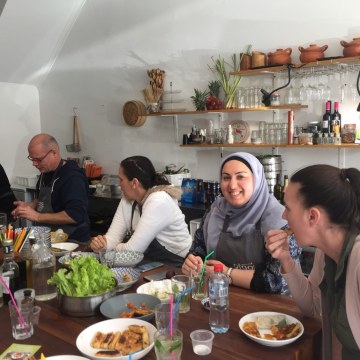
There’s something magical about turning fresh ingredients into a meal that tastes amazing—and knowing you made it yourself. At Otao Kitchen, our Market-to-Table Cooking Experience is designed to take you on a journey from curious cook to confident creator. It’s not just about following a recipe—it’s about understanding food from the ground up.
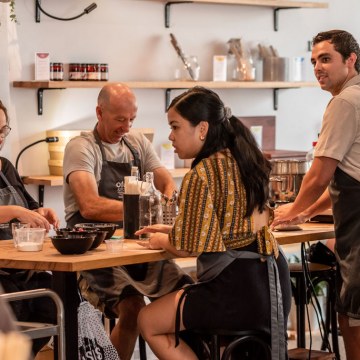
Struggling to find a gift for someone who already has everything? Forget the candles, socks, and generic hampers—what food lovers really want is an experience they’ll remember. And what could be more deliciously unforgettable than spending a day handpicking fresh ingredients at a local market, then learning how to turn them into mouthwatering dishes with the help of an expert chef?
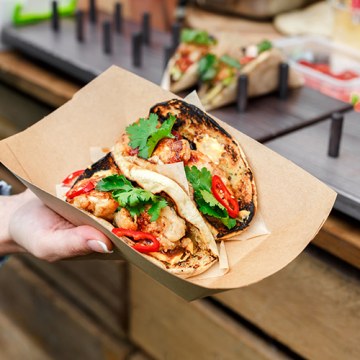
Melbourne isn’t just a city—it’s a delicious mix of cultures, flavors, and stories. Walk through any of its vibrant neighborhoods, and you’ll find a world of cuisines waiting to be discovered. From sizzling street food to family-owned bakeries and fresh market stalls, food is one of the easiest and most enjoyable ways to explore what makes Melbourne so diverse.
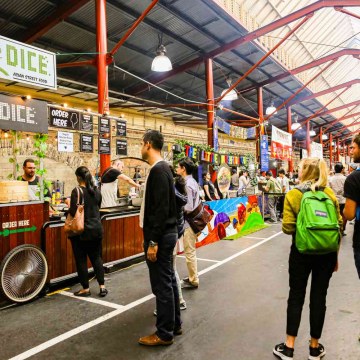
Foodies are always chasing that next unforgettable bite—and these days, the journey is just as exciting as the dish itself. That’s why market tours combined with hands-on cooking classes are becoming one of the top experiences for curious eaters.
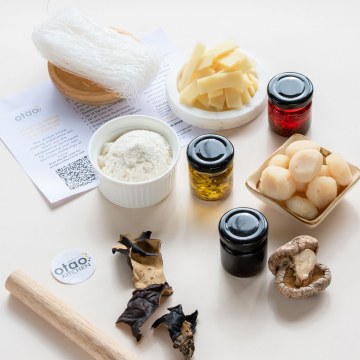
Imagine a Global Culinary Adventure from Your Kitchen
Imagine embarking on a delightful online food adventure without ever leaving the comfort of your own kitchen. With Otao Kitchen's gourmet hampers and online cooking classes, you can explore global flavours and authentic dishes in a hands-on and accessible way. Curated by our expert chefs, these experiences act as a passport to world cuisines, transforming your kitchen into a global food haven.
From the artful simplicity of Japanese sushi making and the bold depth of a rich ramen broth, to crafting hand-folded dumplings or preparing fragrant Vietnamese meals, each hamper and class is your guide to flavour-packed cultural exploration. These carefully designed kits empower even novice cooks to experiment with authentic sauces, native herbs, and international ingredients.
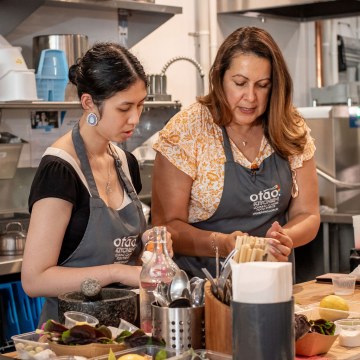
Cooking Transcends Mere Necessity: Discover the Joy of Cooking at Otao Kitchen
Cooking isn’t just a daily chore—it’s a creative outlet, a way to connect with others, and a journey through global flavours. At Otao Kitchen Cooking School in Melbourne, we believe food has the power to nourish more than the body—it feeds the soul and brings people together.
Located in the heart of Melbourne’s vibrant food scene, Otao Kitchen offers hands-on cooking classes that introduce you to authentic cuisines from around the world. Whether you’re drawn to the delicate balance of Japanese dishes, the rich complexity of Indian curries, or the bright, bold flavours of Southeast Asia and the Mediterranean, our classes offer something for everyone—from curious beginners to confident home cooks.
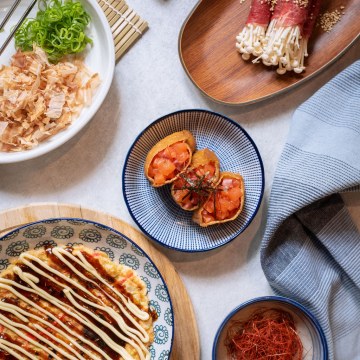
Asian Cooking Classes in Melbourne
Melbourne’s food culture is as diverse as its people, and nowhere is this more evident than in its vibrant Asian culinary scene. Across the city, cooking schools and community kitchens are helping people learn how to prepare authentic Asian dishes — from the street food of Vietnam to the traditional flavours of Indonesia. These workshops are hands-on, welcoming, and suitable for anyone keen to improve their cooking skills.
You’ll find a variety of options through well-known providers like ClassBento, Jean's Asian Cooking, BangPop, Relish Mama, Brunswick Kitchen, and Otao Kitchen. Whether you’re a beginner or an experienced cook, these workshops offer something for everyone.
Tired of bland vegan meals? These ten lesser-known ingredients are your ticket to transforming vegan dishes from basic to brilliant. Perfect for beginner cooks, they pack flavour, texture, and nutrition into every bite.
Whether you’re new to plant-based cooking or looking to level up your skills, these secret weapons will make your meals exciting and satisfying. And if you’re keen to learn hands-on, our Vegan Cooking Classes at Otao Kitchen are the perfect place to start.
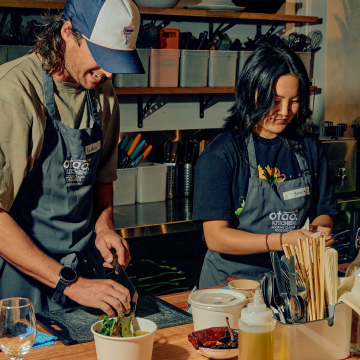
Are you tired of the same old dinner-and-movie routine for date night? If you’re visiting Melbourne and looking for a way to spice things up, we’ve got the perfect idea: a cooking class for two. Imagine rolling up your sleeves, laughing over a simmering pot, and savoring a meal you’ve created together—all in the heart of one of the world’s most vibrant food cities.
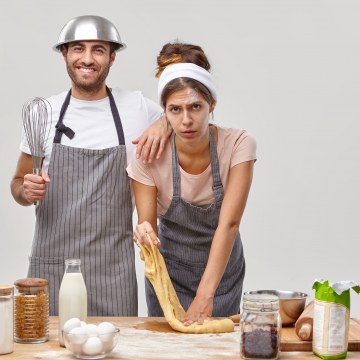
Creating a Valentine's Day to remember can feel overwhelming, but it doesn’t have to be! Whether you’re avoiding crowded restaurants, missed the boat on a reservation, or simply want to showcase your cooking skills, these romantic dinner recipes will make your sweetheart feel extra loved.
Valentine’s Day is a special time to celebrate love, connection, and shared experiences. While chocolates and flowers are classic gifts, why not make this year extra special with a romantic, hands-on experience?
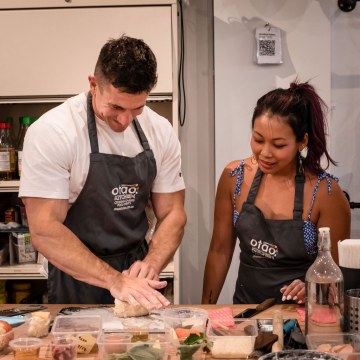
Finding the perfect gift for your loved ones can be challenging, especially if they already seem to have everything. Instead of giving another material item, why not offer them an experience they will cherish?
Finding the perfect gift for Mother’s Day and Father’s Day can be a challenge. Instead of buying traditional presents like flowers, chocolates, or gadgets, why not give an experience that creates lasting memories?
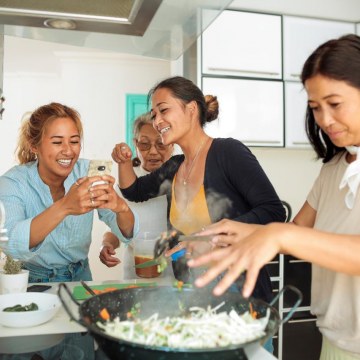
Employee recognition is essential for maintaining motivation, increasing productivity, and fostering a positive work environment. While traditional rewards like bonuses or gift cards are common, more companies are now choosing experience-based gifts to engage their teams. One unique and highly appreciated option is a corporate cooking class gift voucher.
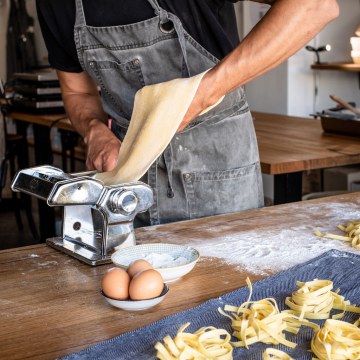
When it comes to finding the perfect gift, it’s often tricky to think of something unique and meaningful. Sure, gift cards and gadgets are nice, but what about giving an experience? One that brings joy, creativity, and delicious food into someone’s life. That’s where a cooking course voucher comes in!
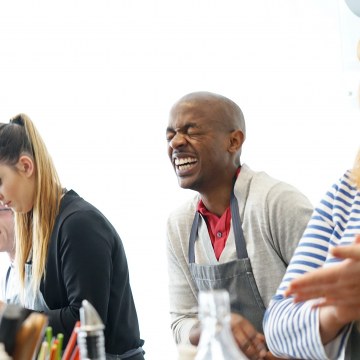
Cooking is more than just a daily chore; it’s a way to bond, create, and explore different cultures through food. In recent years, interactive cooking classes have gained popularity as a unique and exciting activity for people of all ages.
For over a decade, Otao Kitchen has been at the forefront of the culinary scene in Melbourne, offering cooking classes that not only teach but celebrate the rich tapestry of multicultural cooking. If you're a foodie, aspiring chef, or culinary enthusiast, uncover why Otao Kitchen is the perfect place to enhance your skills and ignite your passion for cooking.
Celebrating Ten Years of Culinary Diversity
Otao Kitchen has dedicated itself to supporting Melbourne's vibrant multicultural community through cooking. This commitment is seen in every class offered, where traditional home cooking is revered and celebrated. From Vietnamese pho to Italian pasta, each dish is a story waiting to be told, connecting participants to the heart of diverse cultures.
The kitchen's mission is to keep these traditional techniques alive while making them accessible to everyone. By focusing on authenticity, they provide a platform where cultural heritage and culinary art converge, inviting students to explore, taste, and recreate beloved family recipes.
Through this dedication, Otao Kitchen fosters a sense of community, inviting everyone to join in the joy of cooking and sharing meals. Classes are more than just instructional—they are experiences that enrich understanding and appreciation of global cuisines.
The Charm of Traditional Home Cooking
At Otao Kitchen, traditional home cooking is not just taught; it's cherished. Students are encouraged to tap into the soul of various cuisines, learning to cook in a way that honors age-old practices and brings generations together.
These classes are perfect for those who have always wanted to learn the secrets behind their favorite traditional dishes. With a focus on techniques passed down through generations, participants gain insights that transcend mere recipes. They learn the stories behind each ingredient and the cultural significance of every method.
By preserving these techniques, Otao Kitchen ensures that these culinary traditions are not lost to time but instead thrive in modern kitchens. This approach transforms cooking into an art form, where the past is celebrated, and new memories are created at the dining table.
Collaborations with Renowned Chefs
Otao Kitchen's commitment to culinary excellence is further exemplified through collaborations with esteemed chefs from Australia and around the world. These master chef workshops introduce fresh ideas into their offerings, blending traditional cooking with innovative techniques.
In November 2024, Otao Kitchen is set to collaborate with Brendan Pang, known for his mastery in Asian cuisine. This partnership promises to bring a unique fusion of flavors that will excite participants eager to expand their culinary repertoire. Attendees will have the opportunity to learn directly from a master, gaining valuable insights and experiencing the thrill of culinary innovation.
Additionally, in October 2024, Otao Kitchen will host KeemPossible, a renowned name in cake decoration. This collaboration will offer a sweet twist to the kitchen's offerings, providing a chance for participants to explore the art of cake decorating under expert guidance. These workshops are designed to inspire and elevate the skills of every aspiring baker.
Why Choose Otao Kitchen for Your Culinary Journey?
For those seeking Melbourne cooking classes, Otao Kitchen stands out as a beacon of culinary learning and exploration. The classes offered cater to all skill levels, ensuring that every participant finds value and joy in their experience.
With a focus on master chef workshops and traditional home cooking, Otao Kitchen offers a comprehensive learning environment where passion meets expertise. Whether you're looking to refine your skills or discover new culinary horizons, Otao Kitchen provides the tools and inspiration needed to succeed.
The kitchen's welcoming atmosphere and commitment to cultural diversity make it a perfect place for foodies, aspiring chefs, and culinary enthusiasts alike. It's a space where creativity is nurtured, and culinary dreams are realized, fostering a community united by a love for food.
Unlocking the Potential of Melbourne Cooking Classes
Melbourne's culinary scene is as diverse as it is vibrant, and Otao Kitchen is proud to contribute to its richness. Through their classes, participants not only learn cooking skills but also gain a deeper appreciation for the cultures that shape our world.
Cooking is not just about creating dishes; it's about creating connections. At Otao Kitchen, every class is an opportunity to connect with others, learn something new, and celebrate the joy of cooking together. Whether you're looking to master traditional recipes or explore new culinary territories, Otao Kitchen is your gateway to culinary excellence.
Join the Otao Kitchen Community Today
Eager to start your culinary adventure? Join the Otao Kitchen community and immerse yourself in a world of flavors and techniques. With exciting collaborations and a commitment to authentic cooking, there's no better place to hone your skills and satisfy your passion for cooking.
Explore the diverse offerings of Melbourne cooking classes at Otao Kitchen, where every dish tells a story and every lesson leaves a lasting impact. Sign up today and take the first step towards becoming the chef you've always aspired to be.
In conclusion, Otao Kitchen offers a unique blend of traditional home cooking and innovative culinary experiences, making it the perfect choice for anyone looking to enhance their cooking skills and explore the depths of world cuisines. Whether you're drawn to the charm of traditional dishes or eager to learn from master chefs, Otao Kitchen's offerings are sure to delight and inspire.
Can mastering the art of cooking redefine your relationship with food and boost your independence? For many NDIS participants, it can. Cooking is more than just a life skill—it's a gateway to independence, self-sufficiency, and improved nutrition. But for individuals with disabilities, the path to culinary confidence can be riddled with unique challenges.
The Vital Role of Cooking Classes in Nutritional Independence
Navigating through daily nutritional needs poses particular challenges for NDIS participants. Disabilities can impact one's ability to understand healthy eating, prepare meals, or follow complex nutritional plans. With the right support, these challenges can transform into opportunities for growth and empowerment.
Imagine a world where cooking classes tailored to NDIS participants not only teach cooking techniques but also impart essential nutritional knowledge. By integrating dietary requirements directly into the curriculum, participants can learn how to create meals that meet their specific nutritional needs.
Addressing Industry Challenges with Expert Guidance
The challenges in achieving nutritional independence are multifaceted. A fundamental need is access to qualified dietitians who can create and review personalized meal plans. But beyond theoretical plans, there’s a critical need for practical, hands-on education. That’s where specialized cooking classes come into play. These classes offer:
- Personalized Instruction: Participants receive guidance tailored to their unique dietary needs, helping them understand not just how to prepare meals, but why certain foods are beneficial.
- Training for Support Networks: Family members, carers, and support workers can also benefit from training, ensuring a comprehensive support system is in place for the participant.
- Skill Development: Beyond cooking, these classes equip participants with the skills to make informed choices about their nutrition, empowering them towards greater independence.
Take the story of Sarah, an NDIS participant whose disability made managing her nutrition particularly challenging. Through a combination of personalized meal plans and targeted cooking classes, Sarah gained the confidence to take control of her dietary needs, ultimately improving her overall health and well-being.
A Call to Action for Change
The question isn't if cooking classes can help NDIS participants—it's when you'll join the movement to empower yourself or those you care for through culinary education. Enroll today in specialized cooking classes that cater to your dietary needs and take a bold step towards independence and better health.
Don't wait for change; be the change. Engage with our program and discover the difference that empowered cooking can make in your life or the life of someone you care for.
Together, let's cook up possibilities and redefine what independence looks like.
If you're on a gluten-free diet and eager to broaden your culinary horizons, Otao Kitchen has a class for you. Whether you're a gluten-free foodie or simply health-conscious, you'll find a variety of classes that not only cater to your dietary needs but also immerse you in the vibrant flavors of international cuisines. Here’s a guide to help you choose the best gluten-free cooking classes that suit your taste and lifestyle.
Multicultural Culinary Adventures
Thai Cooking Master Class
Dive into the aromatic world of Thai cuisine, featuring gluten-free staples like fresh herbs, spices, and coconut milk. Learn to make dishes that burst with flavor and are naturally gluten-free, such as Tom Yum soup and Green Curry.
Vietnamese Cooking Class
Discover the balance of sweet, sour, salty, and umami flavors in Vietnamese cuisine. This class will guide you through gluten-free options like Pho and Cha Gio - spring rolls, using rice-based ingredients.
Japanese Cooking Class
Explore the delicate and refined flavors of Japan. Create gluten-free delights like sushi rolls and miso soup, using alternative ingredients where needed to ensure your meals are safe and satisfying. We alternate the months with one month being with Ramen and it is not gluten free.
Korean Cooking Class
Experience the bold and spicy flavors of Korea with dishes that can easily be made gluten-free. Think Bibimbap with gluten-free soy sauce, and Kimchi, a naturally gluten-free staple.
Indonesian Cooking Class
Indulge in the rich and varied tastes of Indonesia. Learn to cook gluten-free options like Satay with peanut sauce and Nasi Goreng, using gluten-free soy sauce alternatives.
Mexican Cooking Class
Savor the vibrant tastes of Mexico with a focus on corn-based dishes. Create gluten-free tacos and enchiladas, packed with fresh vegetables and meats.
Greek Cooking Class
Enjoy the Mediterranean diet with Greek dishes that emphasize fresh produce and healthy fats. Many Greek classics like Souvlaki and Greek salad are naturally gluten-free.
Customizable Gluten-Free Classes
These classes offer flexibility, allowing you to adapt recipes to meet your gluten-free needs:
- Vegan Cooking
- Street Food of Asia
- Quick and Easy Wednesday
- Cooking with Australian Ingredients
- Latin American Cooking
Gluten-Free Challenges
Some classes present more of a challenge for gluten-free adaptations, but with creativity, these dishes can still be enjoyed:
- Dumpling Making
- Italian Cooking
- Pizza Crafting
Why Choose Otao Kitchen?
- Cultural Inspiration: Learn to prepare multicultural dishes in the comfort of your home.
- Social Experience: Meet new friends or connect with colleagues in a fun, engaging environment.
- Dietary Exploration: Expand your gluten-free repertoire with new and exciting dishes.
Join us at Otao Kitchen, where you’ll gain confidence and inspiration to create delicious gluten-free meals that reflect the vibrant tastes of the world. Book your class today and start your culinary adventure!
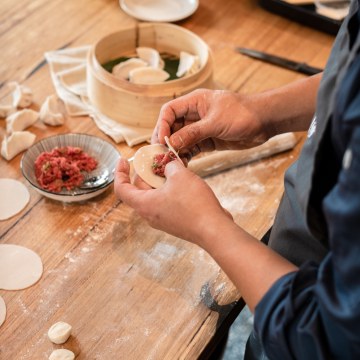
The holiday season is a time for joy, laughter, and making memories with the people you love. And while Christmas is traditionally spent with family, Friendsmas has become a growing tradition among close friends. It’s a chance to gather with your best friends, exchange gifts, share a festive meal, and celebrate your bond.
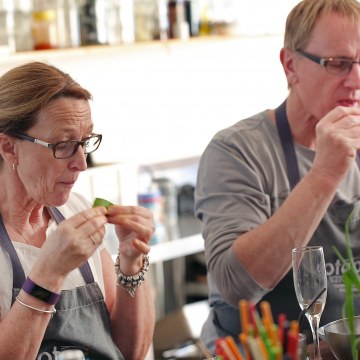
Have you ever found yourself wondering, "What’s the perfect gift for someone who seems to have everything?" Or maybe you want to give something more personal and memorable than just another item on the shelf?

Have you ever thought, "What’s a fun and creative way to spend time with my family without leaving the house?"

Have you ever found yourself wondering, "What’s the perfect gift for someone who seems to have everything?"
Have you ever wondered how to make your next private event unforgettable? Maybe you're searching for a unique experience that will bring people together and create lasting memories. If so, have you considered hosting a custom cooking class?
Spain, a country renowned for its rich history, vibrant culture, and stunning landscapes, is equally celebrated for its diverse and flavorful cuisine. Spanish recipes are a delightful fusion of traditional ingredients, regional specialties, and culinary artistry that reflect the heart and soul of Spanish life.
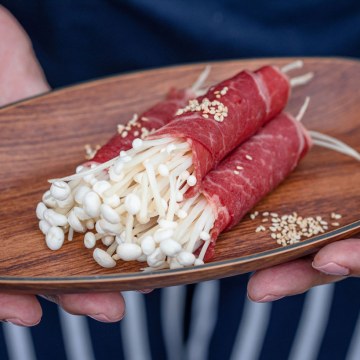
Here are six simple Korean BBQ marinades that will infuse your grill with authentic Korean flavors, whether you’re cooking indoors or outdoors. Bulgogi, meaning "fire meat," is one of the most popular Korean dishes, second only to kimchi.
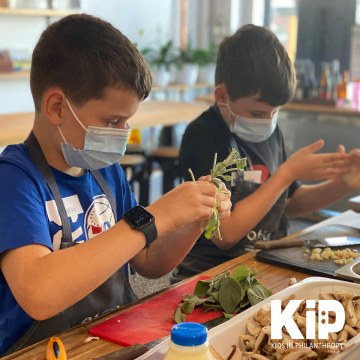
Cooking together as a family is more than just preparing a meal; it’s about bonding, learning new skills, and making memories that last a lifetime. When you involve your kids in the kitchen, you’re not only teaching them essential life skills but also sparking their creativity and helping them develop a healthy relationship with food.
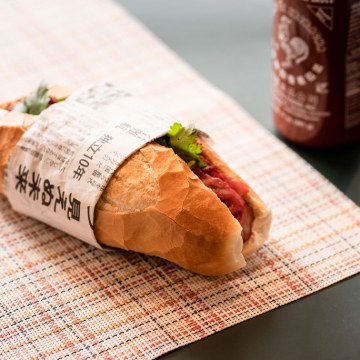
Asia's busy streets are full of exciting things to see, smell, and most importantly, taste. To really enjoy a country's food, you should try the local street food. It's quick, easy, and bursting with flavor—like hot soups, stir-fried noodles, and freshly cooked dishes.
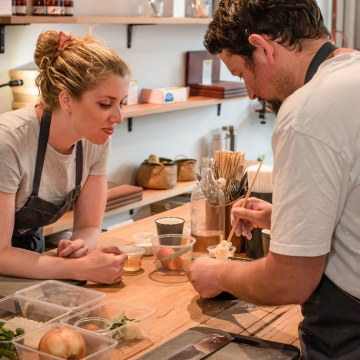
Here’s the simple truth: the fastest way to anyone’s heart is through their stomach. Who doesn’t love being cooked for, right? But what if you’re not exactly a pro in the kitchen?
Private dining has evolved significantly over the years, transforming from a simple concept of enjoying a meal in a private, intimate setting to an elaborate, experience-driven event that engages all the senses. In 2024, private dining is no longer just about savoring delicious food in a beautifully decorated room.
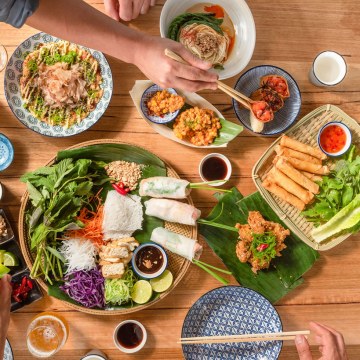
Melbourne is famous for its vibrant food scene and is perfect for street food lovers. You can find everything from tasty Chinese snacks to delicious Greek treats on its streets. If you're planning to visit Melbourne in 2024, make sure to try these 12 must-try street foods:
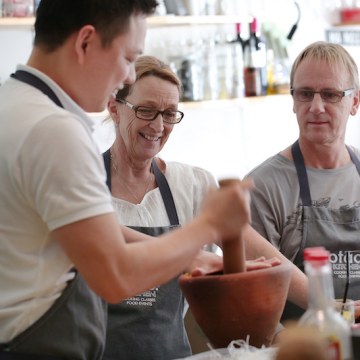
Giving gifts can sometimes be a challenge. You want to find something meaningful, useful, and memorable. This year, consider a cooking class voucher. It's a unique gift that offers a fun and educational experience. Here's why a cooking class voucher makes an excellent gift and how it can benefit the recipient.
Are you looking for the perfect gift for a special couple in your life? Vouchers can be an excellent choice, offering flexibility and the promise of a memorable experience.
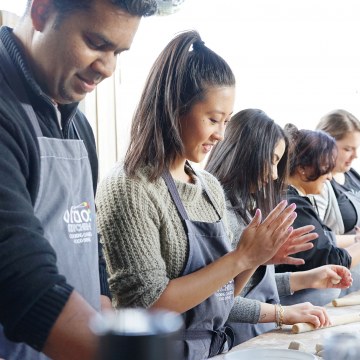
Melbourne, often celebrated as Australia’s culinary capital, boasts a rich tapestry of food experiences that can tantalize any taste bud. From the aromatic laneways filled with the scent of freshly brewed coffee to upscale dining establishments that offer a fusion of global flavors, the city presents a plethora of culinary delights perfect for gifting.
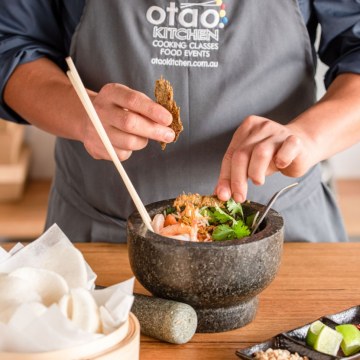
Choosing the right gift for special occasions can be a daunting task. Finding something that truly reflects your thoughtfulness and resonates with the recipient can be challenging. This year, why not break away from the usual and opt for experience gifts?
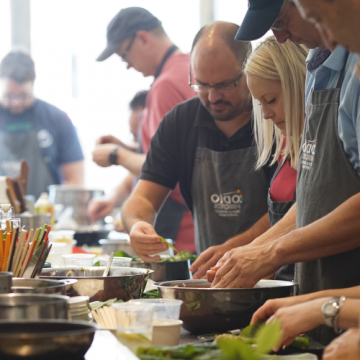
Are you a pizza lover who dreams of creating the perfect pie from scratch? Look no further than a pizza making course! Whether you're a beginner or a seasoned home cook, learning the art of pizza making can be a fun and rewarding experience. In this article, we'll explore the ins and outs of pizza making courses, from dough tossing to sauce spreading, and everything in between.
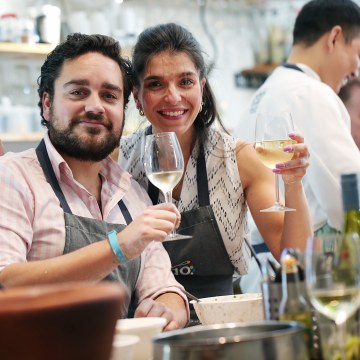
Are you looking to spice up your culinary skills or simply want to enjoy a fun activity with friends or family? Group cooking classes in Melbourne might be just what you need! Melbourne, known for its vibrant food culture, offers a variety of cooking classes that cater to all skill levels and tastes. Whether you're a beginner looking to learn the basics or a seasoned cook wanting to master new techniques, there's a class for everyone.
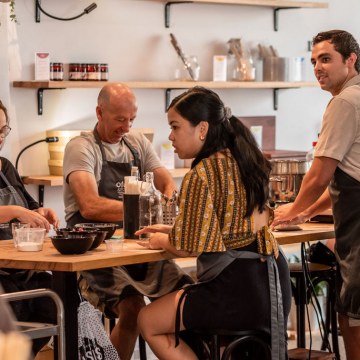
Melbourne is a city that loves food. From its bustling markets to its vibrant restaurants, the city's culinary scene is rich and diverse. But one of the best ways to truly appreciate Melbourne's food culture is by diving in and experiencing it firsthand. Cooking experiences in Melbourne offer a unique way to learn, create, and taste the incredible flavors this city has to offer. Whether you're a seasoned chef or a complete beginner, there's something for everyone.
Get ready to tantalize your taste buds with a journey through the vibrant world of traditional Chinese cuisine. From spicy Sichuan specialties to comforting dumplings, Chinese food offers a rich tapestry of flavors and textures that are sure to delight any palate.
Cooking for two can be a delightful and rewarding experience, whether you're cooking for yourself and a partner, a roommate, or a close friend. In a world where many recipes are designed for larger families or gatherings, cooking for two offers a unique opportunity to create intimate and personalized meals tailored to your tastes and preferences.
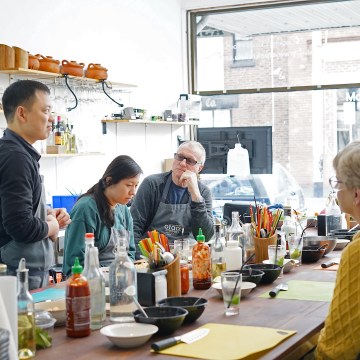
Family bonds are becoming stronger, thanks to a rising trend - family experience gifts. These gifts prioritize shared moments over material possessions, creating lasting memories that families treasure.
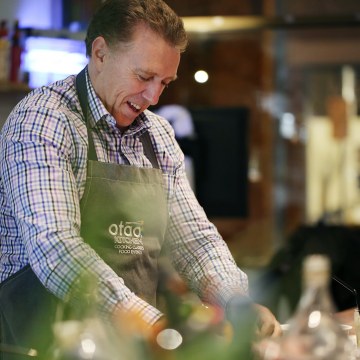
Melbourne, a city renowned for its dynamic culture, varied scenery, and mouthwatering cuisine, has a wealth of experiences that would make the ideal present. Melbourne's charm goes far beyond the typical, whether you're looking to surprise a loved one, celebrate a particular occasion, or make lifelong memories.

Vouchers are like special tickets. They help you get things or experiences without using money. They are super useful in many situations.
Top 10 Food Cultures Around the World
Food is more than fuel. It’s identity, art, history, and joy on a plate. Every bite can tell a story – of land, people, and passion. While every food culture has something delicious to offer, some countries have elevated their cuisine to a global love affair. Here’s CNN Travel’s take on the top 10 food cultures in the world, and why they continue to inspire chefs, foodies, and travellers alike.
So, where should your taste buds travel next?
If you’ve always wanted to learn to cook, there’s no better time than right now! There are so many fun-filled cooking classes in Australia to try from Perth to Canberra and Adelaide to Hobart, so what are you waiting for? It’s time to roll up your sleeves, don your chef’s hat and prepare for a delicious journey of discovery!
Once you’ve taken the plunge and decided to learn cooking, you’ll find a world full of mouth-watering flavours awaits you, which you can sample with the help of sushi making sessions, Italian cooking classes and workshops dedicated to teaching you tantalising Thai delicacies.
As well as helping you learn to cook with flavour and confidence, cooking lessons are also a thrilling experience to share with the special people in your life. Looking for things to do on a rainy day to keep your kids occupied? Why not sign them up for cooking classes for teens? Racking your brain trying to come up with some unique hens party ideas for your bestie bride-to-be? Why not treat her and the other hens to an exotic Japanese cooking class?
Cooking lessons even make fantastic team building activities, providing a relaxed and inspiring environment where you and your co-workers can unwind, reconnect and pick up some slick new slicing and dicing skills at the same time!
Intrigued? Read on to discover 9 reasons why you should definitely learn cooking.
1. Cooking lessons will bring you independence
Whether you’re a young adult just starting out on your independent path or someone who’s just never really been very interested in all things culinary, learning how to cook will bring a whole new level of independence to your life. You won’t have to rely on your mum’s home cooking anymore – as delicious as that might be – nor will you have to depend on take-out and ready meals, which aren’t very good for you anyway.
2. Taking cooking classes is great for your health!
If you’ve been living off too many Pot Noodles and frozen pizzas, signing up for a few classes to learn cooking will not only empower you, but it will also bring some significant health benefits too. Once you have a firm foundation of culinary knowledge, you’ll be able to prepare flavourful and healthy dishes that nourish your body and bring a smile to your face.
As you learn to cook with the help of a talented local chef, you can also ask for advice and find tasty recipes that fit your lifestyle and your unique requirements. For example, if you’re a vegan who’s not sure how to cook vegan meals that are both healthy and delicious, taking some vegan cooking classes will give you plenty of inspiration!
3. Learn cooking and enjoy a plumper wallet
While you may have to shell out a few dollars to pay for cooking classes initially, taking some time to learn to cook will actually save you a lot of money in the long run. For one thing, you won’t have to pay for meal delivery services, take-out or microwave meals anymore. Instead, you’ll know how to concoct all kinds of mouth-watering morsels using fresh, good-quality but affordable ingredients.
Interested in learning how to cook like a pro? Discover Australia's top culinary schools.
4. Enjoy a tasty cooking experience packed with global flavours
Once you check out some of the fun-filled cooking lessons available across Australia, you will soon see what a rainbow of flavours there are to discover. If you thought putting your name down for a cooking experience would be dull, think again! There are so many different classes to choose from, just waiting to introduce you to sumptuous delicacies from across the globe – from Thailand to Taiwan, and Fiji to France.
5. Couples cooking classes make fun date night ideas
As well as teaching you how to rock that wok and bake up a storm, cooking classes for beginners can also shake up your date nights! That’s right, bringing your partner along for a cooking experience is one of the cutest and quirky date night ideas you could come up with. It’s also the perfect way to strengthen your bond while learning something new. Think of it this way – now both of you will be able to cook each other romantic meals from scratch with your newfound knowledge!
6. Get your kids involved with cooking classes for teens
If you have older kids at home who will soon be flying the nest, why not prepare them for their exciting new life of independence by booking them onto cooking classes tailored to their age range? These engaging hands-on workshops offer a laidback and encouraging space where your teens can stretch their culinary wings and pick up plenty of helpful tips and easy recipes they can make once they leave home.
7. Learn to cook and you’ll also unleash your creativity
Cooking isn’t just about nourishing your body, it’s also about feeding your soul. Learning how to prepare mouth-watering meals with a variety of fresh ingredients, spices and sauces is a creative activity, just like painting or pottery. With the help of your friendly and knowledgeable culinary instructors, you will soon discover how fun it can be to experiment with different flavours and find the ones you love the best.
8. Show your family you love them by cooking special meals
One of the simplest but most profound ways to show people you love them is by cooking them a delicious meal. Once you learn to cook, you can regularly express your devotion to your family by preparing their favourite meals and maybe even making them birthday cakes from scratch!
9. Try out time-saving meal prep and save yourself some stress
When you learn to cook, you are laying down a foundation of culinary know-how that will help you in all kinds of ways – one of which is meal prep. Preparing a batch of meals at the start of the week will save you lots of time and stress, as all you’ll need to do after a long day at work is heat them up again. See what we mean? When you know how to cook, life instantly becomes so much easier!
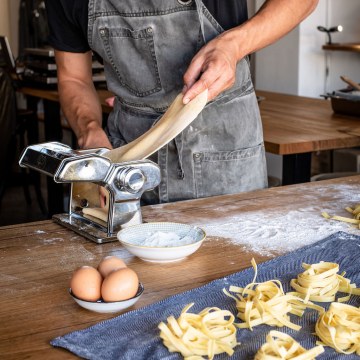
9 Reasons You Should Learn to Cook at a Cooking Class
Cooking is more than just preparing food—it’s a lifelong skill that empowers you, saves money, boosts your health, and brings people together. Whether you're a beginner or looking to expand your skills, taking a cooking class can be a game-changer. At Otao Kitchen, we believe everyone should experience the joy of cooking. Here are 9 great reasons why now is the perfect time to join a cooking class.
Cooking Classes in Melbourne: Your Event’s Recipe for Success
Cooking is more than just preparing meals – it’s an experience that brings people together, sparks creativity, and builds lasting memories. At Otao Kitchen, we believe that cooking should be fun, interactive, and shared. That’s why our Melbourne cooking classes are designed to suit a wide range of occasions, from hens parties and birthday celebrations to corporate team-building activities and romantic date nights.
Whether you're looking to impress with hand-made pasta or explore bold vegan flavours, there's a cooking class perfect for your next event.
The Best Cooking Classes in Perth: Discover, Create and Taste with All Five Senses
Perth has no shortage of amazing cooking classes, from hidden gems in local schools to national experience platforms like RedBalloon and ClassBento. Whether you're an amateur cook or a seasoned foodie, there's never been a better time to explore what’s on offer across Perth's vibrant culinary scene.
From immersive dumpling workshops to Italian pasta making and fragrant Thai curries, here are the top places to book cooking classes in Perth — and why they’re perfect for connecting with all five of your senses.
Discover the Perfect Date Night Idea: Melbourne Couples Cooking Classes
Looking for a romantic date night idea that goes beyond dinner and a movie? Whether it’s your first date or your fiftieth, couples cooking classes in Melbourne offer a unique, hands-on way to connect, laugh, and create something delicious together. At Otao Kitchen, our cooking classes are designed to turn an ordinary evening into a memorable culinary adventure.
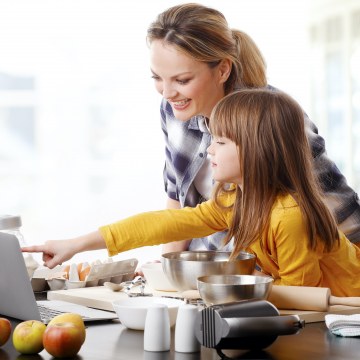
Cooking Classes in Melbourne: Start Your Culinary Journey Today
Cooking can be a daunting task, but it’s also one of the most rewarding life skills you can learn. Whether you're tired of ordering takeout or want to go beyond the basics, cooking classes in Melbourne offer the perfect opportunity to boost your confidence and expand your culinary repertoire.
At Otao Kitchen, we specialise in hands-on, fun, and inspiring cooking experiences for all skill levels. In this article, we'll explore why taking a cooking class in Melbourne might be the best decision you make this year. Cooking can be a daunting task for many people; however, it is a skill that can be learnt and mastered with a little effort and guidance. Do you find yourself always ordering takeout or relying on simple recipes? Melbourne offers a wide range of cooking classes for all skill levels, from beginners to experts, who want to improve their culinary skills. In this blog post, we will explore some of the advantages of taking cooking classes in Melbourne and why everyone should give it a try.
9 Romantic Couples Cooking Classes in Perth for the Perfect Date Night
Looking for unique and romantic date night ideas in Perth? Whether you're celebrating a special occasion or just want to spice up your weekly routine, these couples cooking classes in Perth are a fun and meaningful way to connect with your partner. Cook, laugh, and bond over delicious dishes—while picking up new culinary skills along the way!
Held in cosy kitchens, culinary schools, and local Perth restaurants, these experiences are designed to bring couples closer through the joy of cooking. From mastering handmade pasta to crafting exquisite desserts, there’s something for every couple.
Cooking together in the kitchen helps you connect on a whole new level as you create mouth-watering dishes together as a team. Plus, you can travel the world without ever leaving Perth through our culinary experiences. From Thai cooking classes to pizza making classes to pasta making classes, these couples cooking classes are sure to tempt your taste buds and satisfy your wanderlust.
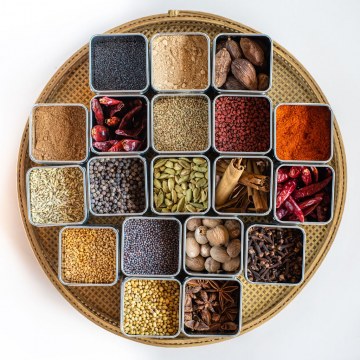
Explore Asia Through Vegan Cooking Classes: Japanese, Korean, Vietnamese & Indian Flavours
Are you a vegan food lover or curious home cook looking to explore the vibrant world of plant-based Asian cuisine? You’re in the right place! At Otao Kitchen, our vegan cooking classes offer hands-on experiences where you’ll learn new techniques and recipes inspired by the flavours of Japan, Korea, Vietnam, and India.
Whether you're new to veganism or simply want to expand your culinary repertoire, these classes are your passport to healthy, delicious meals that are kind to animals and the planet.
Learn 3 Easy Recipes at Italian Cooking Classes in Melbourne
Get ready to roll dough, toss pizza, and simmer rich Italian sauces with Otao Kitchen’s hands-on Italian and Pizza cooking classes in Melbourne! Whether you're a complete beginner or a confident home cook, these classes offer an unforgettable culinary journey that will leave you with new skills and delicious memories.
A Taste of Italy in the Heart of Melbourne
Otao Kitchen’s Italian cooking classes create a fun, relaxed environment where you’ll learn to cook authentic Italian dishes from scratch. Perfect for date nights, team-building events, or birthday parties, these classes bring people together through food, laughter, and learning.
Here are three easy Italian recipes you’ll master during the experience – and love recreating at home.
Cooking Along With an Ingredient Kit: A Corporate Meeting at Home
When the COVID-19 pandemic hit in early 2020, it changed everything for the hospitality, tourism, and entertainment industries. At Otao Kitchen, our chefs, hosts, and food lovers were suddenly grounded. In-person cooking classes, food events, and culinary tours were cancelled. But from this crisis came innovation—and a new way to bring people together around food.
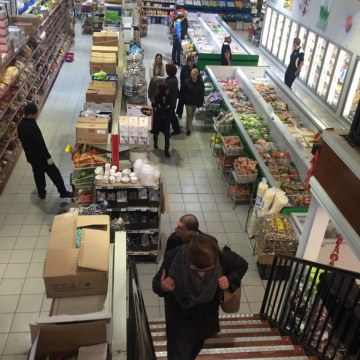
When I became a chef, the power and allure of the food market and grocery stores was so strong that my mum would need to visit them everyday. It was always a great thing that mum bought home - fruits and vegetables, sweet cake and candy and meat or fish.
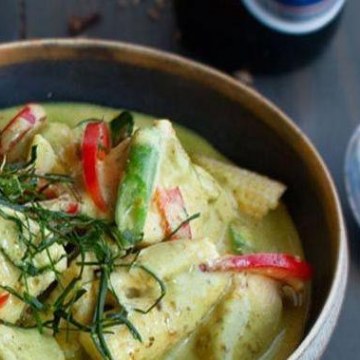
In the vegan cooking class you would want to explore vibrant spices, create beautiful sauces, work with fresh vegetables, tofu and beans. Otao Kitchen is specialise in Asian cooking so you can inspire your kitchen with Chinese, Japanese, Thai, Indian dishes.
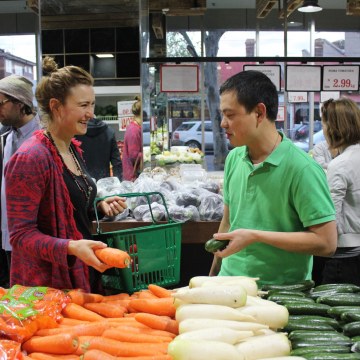
Balinese food is more than a meal—it's a celebration. Rooted in ceremony, community, and spice, the cuisine of Bali is a vibrant blend of indigenous traditions and external influences from China, India, and across the Indonesian archipelago.
At Otao Kitchen, we honour these traditions in our hands-on Southeast Asian cooking classes, where you’ll discover how to prepare iconic Balinese dishes using authentic ingredients and time-honoured techniques.
Let’s explore the key ingredients that give Balinese cuisine its unforgettable flavour—and how you can bring them into your home kitchen.
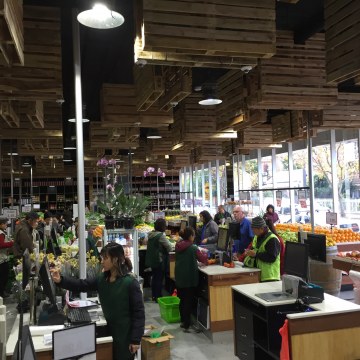
If you keep it simple and buy ingredients at farmers’ markets, the food can pretty much take care of itself. Do as little as possible to the food; consider leaving out an ingredient and relying on instinct. We have a list of shopping streets and farmer markets in Melbourne for you.
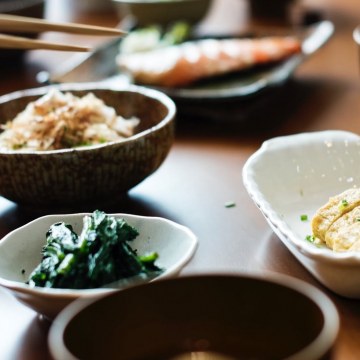
If you're craving melt-in-your-mouth sushi, slurp-worthy ramen, or an unforgettable omakase experience, Melbourne’s Japanese restaurant scene will not disappoint. This vibrant city is home to some of the finest Japanese eateries in Australia, from intimate chef’s counters to bustling izakayas. Whether you're planning a special night out or just searching for your next ramen fix, here’s your ultimate eating guide to Japanese restaurants in Melbourne — updated for 2025.
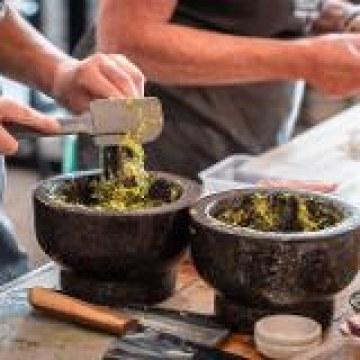
Is Culinary Arts the Career for You?
From the comforting aroma of freshly baked bread to the artistic flair of fine dining, the food industry captures more than just taste—it inspires careers and fuels lifelong passions. With its rich tapestry of roles ranging from creative to scientific, this dynamic field offers opportunities for just about every interest and skill set. As the world increasingly prioritises sustainability, food safety, and innovation, the food industry is at the forefront—making it an ideal space for those eager to make a meaningful impact.
Beyond the obvious paths in cooking, careers in the food sector include many that aren’t always top of mind. Executive chefs and food stylists tap into the creative spirit, while food scientists and flavour chemists dive into the technical elements that bring ingredients to life. Whether your goal is to open a delivery-based restaurant or lead the next generation of sustainable food practices, this industry offers diverse and exciting career possibilities.
In this article, we’ll explore a range of career paths—from recipe development and food styling to food safety and sustainability—while outlining the skills you’ll need to thrive in each. Get ready to discover your niche in a world where purpose and passion go hand-in-hand.
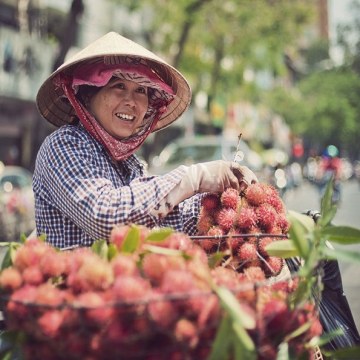
Travel to Vietnam: Experience Culture, Heritage, Nature—and Extraordinary Food
Travel to Vietnam and you’ll step into a world rich in tradition, stunning landscapes, and culinary wonders. Whether it’s the vibrant chaos of Hanoi, the tranquillity of Sapa, or the spice-laden markets of Saigon, every moment is a cultural immersion.
At Otao Kitchen, we bring the Vietnamese food journey to life right here in Melbourne, so you can taste and learn before (or after) you travel.