
.jpeg)
School Holidays Cooking Program - Workshop 12
Workshop 12: Final Challenge Thursday · September/October Module Scan to view this recipe online This is a menu-planning and execution challenge rather than a...
Continue Reading →

Classes:
Format: Hands-on cooking class
Duration: 3 hours approx. per class
Location: Otao Kitchen
Months: Jan, Mar, May, Jul, Sep, Nov
Chicken Part | Class Use |
Carcass, wing tips, trim | Chicken stock and vegetable soup |
Breast fillets | Sous-vide chicken salad and roulade |
Thighs and legs | Fried chicken or roulade |
Skin and fat | Rendering, flavour, pan work |
Offcuts | Stock, soup, mince or filling |
Learning Focus
Whole-bird breakdown, knife safety, joint identification, yield optimisation.
Chef Note
Do not force the knife through bone. Find the joint and let the knife pass through naturally.
Learning Focus
Waste reduction, stock preparation, vegetable cuts, flavour building.
For the stock
For the soup
Chef Note
A gentle simmer gives a cleaner stock. Hard boiling can make the stock cloudy and greasy.
Learning Focus
Knife skills, chicken mince preparation, aromatics, fast stir-frying, balance of sweet, salty and fresh flavours.
Serves 2–4
Chef Note
The filling should be savoury, glossy, and not too wet. Lettuce cups should stay crisp.
Learning Focus
Chicken breast cookery, gentle cooking, salad preparation, chilli oil dressing, texture control.
Serves 2
Chicken
Salad
Chilli oil dressing
Chef Note
Sous-vide chicken should be tender, juicy, and evenly cooked. Slice cleanly with a sharp knife to avoid tearing the meat.
Learning Focus
Deboning, flattening, rolling, tying, seasoning, even cooking.
Serves 2
Optional filling
Chef Note
The roulade must be rolled firmly but not overfilled. Resting helps it slice cleanly.
Learning Focus
Chicken portioning, seasoning, crumbing, frying station workflow, safe frying.
Serves 2–4
Chicken
Crumb coating
To cook
Chef Note
Use a shared frying station for class workflow. Keep raw and cooked chicken trays clearly separated.
Months: Feb, Apr, Jun, Aug, Oct, Dec
Class Menu
Whole Duck Use
Duck Part | Class Use |
Breasts | Pan-seared duck breast with gastrique |
Legs | Confit cassoulet or rillettes |
Trim and offcuts | Duck ragù |
Bones and carcass | Duck stock |
Skin and fat | Rendered duck fat and roast potatoes |
Confit meat | Cassoulet and rillettes |
Recipe 1: Whole Duck Butchery
Learning Focus
Duck anatomy, fat management, breast removal, leg removal, whole-bird utilisation.
Ingredients
Equipment
Method
Chef Note
Duck has more fat than chicken. Teach students to see fat as a cooking ingredient, not waste.
Recipe 2: Duck Rillettes with Thyme & Tarragon
Learning Focus
Slow cooking, shredding, seasoning, fat preservation, pâté-style preparation.
Ingredients
Serves 4 as a starter
Method
Chef Note
Rillettes should be rich but balanced. Herbs, mustard, and acidity help cut through the fat.
Recipe 3: Duck Breast with Gastrique
Learning Focus
Rendering duck fat, pan-searing, resting, sauce balance.
Ingredients
Serves 2
Duck
Gastrique
Method
Chef Note
Start duck breast in a cold pan. This gives the fat time to render and the skin time to become crisp.
Recipe 4: Duck Confit Cassoulet with Garlic-Parsley Crumbs
Learning Focus
Confit preparation, braising, bean cookery, crumb topping, French comfort food technique.
Chef Preparation Before Class
Ingredients
Serves 4
Garlic-parsley crumbs
Method
Chef Note
Cassoulet should be hearty and rich, but not dry. Add extra stock if needed during baking.
Recipe 5: Duck Ragù with Pappardelle
Learning Focus
Duck trim utilisation, slow cooking, sauce building, pasta finishing.
Ingredients
Serves 4
Method
Chef Note
Ragù is a good use for trim and tougher pieces. Slow cooking builds flavour and tenderness.
Recipe 6: Duck Fat Roast Potatoes
Learning Focus
Rendered fat use, potato preparation, roasting technique, texture control.
Ingredients
Serves 4
Method
Chef Note
Rough edges create crunch. Hot fat gives the potatoes a crisp exterior.
Recipe 7: Quick Duck Stock
Learning Focus
Whole-bird utilisation, bones and trim, sauce foundation.
Ingredients
Makes approx. 1 litre
Method
Chef Note
Duck stock is excellent for sauces, ragù, cassoulet, soups, and reductions.
Final Student Learning Summary
Class 1: Chicken Essentials
Skill | Dish |
Whole chicken butchery | Chicken portions for multiple recipes |
Stock and waste reduction | Chicken stock and vegetable soup |
Fast aromatic cooking | San Choi Bao lettuce cups |
Gentle chicken breast cookery | Sous-vide chicken salad with chilli oil |
Deboning and rolling | Chicken roulade with Herbes de Provence |
Crumbing and frying | Southern comfort fried chicken |
Class 2: Duck Demystified
Skill | Dish |
Duck butchery | Breasts, legs, trim, carcass and fat allocation |
Slow cooking and preservation | Duck rillettes |
Fat rendering and sauce work | Duck breast with gastrique |
Confit and braising | Duck confit cassoulet |
Trim utilisation | Duck ragù with pappardelle |
Rendered fat cookery | Duck fat roast potatoes |
Stock and sauce foundation | Quick duck stock |
Core Teaching Message
Poultry cookery is about using the whole bird with confidence. Chicken teaches the foundations: butchery, stock, roasting, frying, and practical family cooking. Duck builds on those skills with richer flavour, rendered fat, confit, sauce work, and refined presentation.

Build a pastry display of lemon tarts, éclairs and profiteroles, plate a restaurant-style dessert, and make chocolate...
Duration 7 Hours
From AUD $467 Book now
Bake a full bakery table: country sourdough, rosemary focaccia, bánh mì rolls, scones, cinnamon scrolls and pineapple...
Duration 7 Hours
From AUD $467 Book now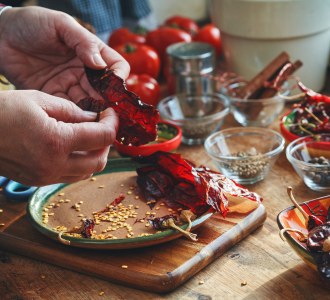
Join our Sauces, Fermentation & Pickling Workshop in Melbourne. Learn sauces, preserves & ferments in a hands-on...
Duration 3 Hours
From AUD $207 Book now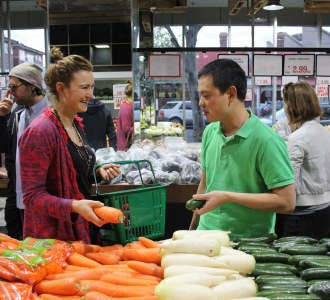
Explore vibrant spices, beautiful sauces, fresh vegetables, tofu and beans in vegan cooking. If Asian vegan dishes...
Duration 4 Hours
From AUD $317 Book now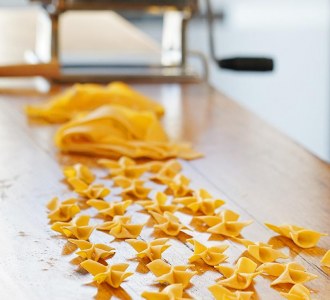
Make handmade ravioli and a ramen bowl for your next dinner party, plus fresh tagliatelle, potato gnocchi, pork &...
Duration 7 Hours
From AUD $467 Book now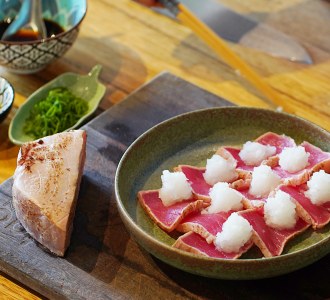
Bake a whole fish and cure your own salmon gravlax for your next dinner party, plus crispy-skin fillets, mussels,...
Duration 7 Hours
From AUD $467 Book now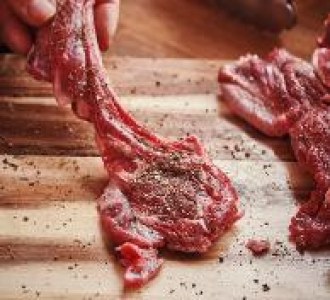
Cook Beef Wellington, herb-crusted lamb rack and slow-roasted lamb shoulder for your next dinner party, plus steak,...
Duration 7 Hours
From AUD $467 Book now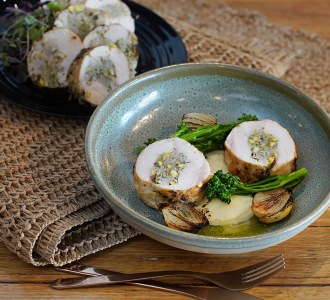
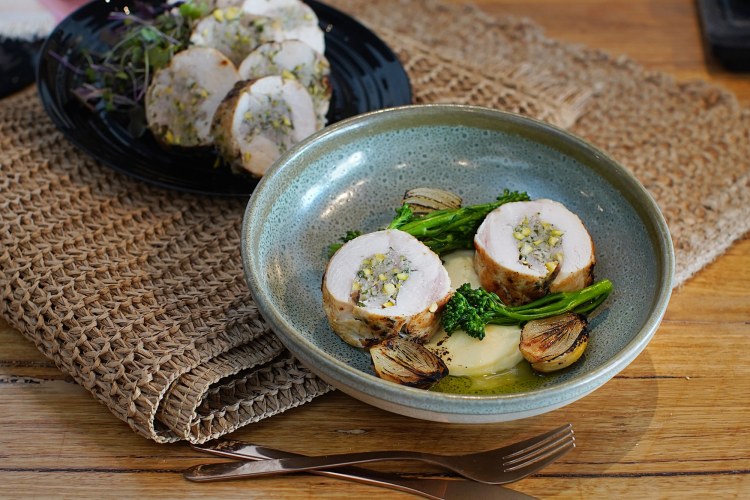
Cook a pancetta-wrapped chicken roulade for your next dinner party, plus crispy pork belly with apple slaw, pork...
Duration 7 Hours
From AUD $467 Book now
Workshop 12: Final Challenge Thursday · September/October Module Scan to view this recipe online This is a menu-planning and execution challenge rather than a...
Continue Reading →
Workshop 11: Marinades & Plating Wednesday · September/October Module Scan to view this recipe online Skills: Marinades, grilling, plating...
Continue Reading →
Workshop 10: Comfort Classics Tuesday · September/October Module Scan to view this recipe online Entrée 1. Pea Soup Ingredients...
Continue Reading →
Workshop 9: Sauce & Comfort Thursday · July Module Scan to view this recipe online ● ● ● ● Workshop 9: Sauce & Comfort...
Continue Reading →
Workshop 8: Fish & Sauces Wednesday · July Module Scan to view this recipe online Entrée Garden Salad (2 pax) Ingredients...
Continue Reading →
Workshop 7: Baking & Fish Tuesday · July Module Scan to view this recipe online Entrée Eggs en Cocotte with Mushroom and Gruyère (2 pax)...
Continue Reading →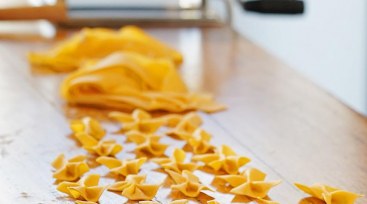
Artisan Handcrafted Skills: Pasta, Noodles & Dumplings Format: In-person hands-on workshop Duration: 2 workshops with price per workshop with shared dining and take-home...
Continue Reading →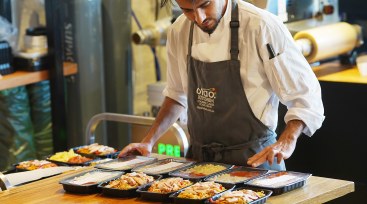
Workshop: Plant-Based Cooking Format: Hands-on vegan cooking class Class Structure: Four themed rotating classes Level: Suitable for passionate home cooks, food lovers, and...
Continue Reading →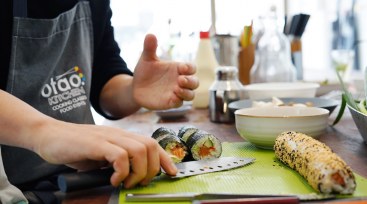
Knife Skills Masterclass Series Student Recipes & Knife Skills Guide Format: Hands-on flash course Duration: 3 hours Location: Otao Kitchen Class...
Continue Reading →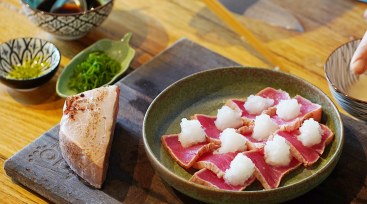
The Menu Class 1: Fish Mastery (Jan, Mar, May, Jul, Sep, Nov) (French & Japanese Foundations) In this session, you’ll focus on whole fish and fillets, learning...
Continue Reading →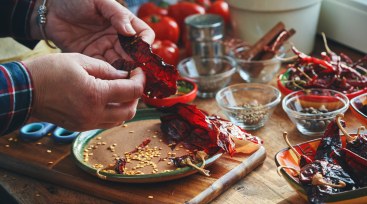
MENU Pita Bread - Khubz Hummous - Chickpea and Tahini Dip Falafel - Chickpeas Fritters Tzatziki - Yoghurt & Cucumber Sauce Riz Besheriye - Rice with...
Continue Reading →
Workshop 6: Global Flavours Thursday · April Module Scan to view this recipe online Entrée Niçoise Salad (2 pax) Ingredients...
Continue Reading →
Workshop 5: Stir-Fry & Knife Skills Wednesday · April Module Scan to view this recipe online Entrée Gỏi Cuốn (Vietnamese Fresh Spring Rolls) (2...
Continue Reading →
Workshop 4: Frying Techniques Tuesday · April Module Scan to view this recipe online Entrée Crunchy Cabbage Slaw (2 pax) Ingredients...
Continue Reading →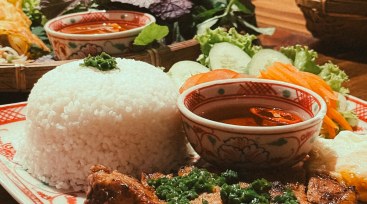
🥓Cơm Tấm - Broken Rice with Pork & Pickled Vegetables Traditionally a breakfast dish, com tam has become hugely popular throughout Vietnam and abroad. ‘Tam’ refers to the...
Continue Reading →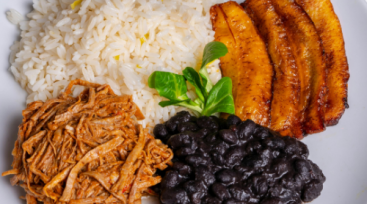
CHICKEN EMPANADAS Chicken empanadas are popular across Latin America, with each country offering its own variation. These baked empanadas are filled with a savoury chicken sofrito...
Continue Reading →
Workshop 3: Stocks & Simmering Thursday · January Module Scan to view this recipe online Entrée Fried or Steamed Wontons (2 pax) Ingredients...
Continue Reading →
Workshop 2: Pan Cooking Wednesday · January Module Scan to view this recipe online Entrée Pan Frittata (Zucchini, Spinach, Ham, Cheese) (2 pax)...
Continue Reading →
School Holiday Cooking Workshop Full Program Menu — Workshops 1 to 12 Ages 10–14 · 4 Intakes: January, April, July, September/October All recipes serve 2...
Continue Reading →
Brendan Pang – ASIAN COMFORTS Brendan Pang is an Australian cook, author and content creator renowned for his vibrant, flavour-rich dishes that draw deeply from his Chinese-Mauritian...
Continue Reading →
WARRIGAL CREAMY PIPI’S INGREDIENTS 500g kg Pipi 3 garlic cloves crushed ¼ cup warrigal puree ½ tsp...
Continue Reading →
🍖Beef Suya (West African Spiced Street food, originated from the Hausa people in Northern Nigeria) 2 servings Ingredients ●200g beef (BBQ steak or top side steak,...
Continue Reading →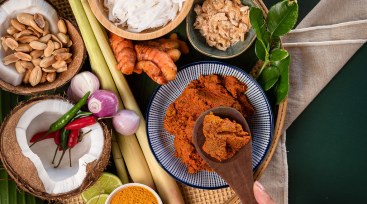
Malaysian Cooking Class Menu Rempah (Spiced Paste) Sambal (Chilli and Tamarind Condiment) Laksa Soup (Coconut Curry Soup with Noodles) Ayam Goreng (Malaysian Fried Chicken) Nasi Lemak...
Continue Reading →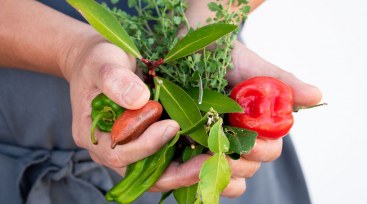
Menu 🥗 Warrigal Greens Verde with Yam Chips 🐟 Native Spice Fish Balls with Macadamia Labneh 🍛 Coconut Keens Curry Chicken 🐊 Crocodile Schnitzel with Slaw 🥗...
Continue Reading →
🍣 Huoguo- Chinese Hotpot Serves: 2 Prep Time: 20 minutes Active time: 20 minutes INGREDIENTS (Chicken Meatballs) 150g chicken mince ...
Continue Reading →
🥣 Miso Shiru- Miso Soup Miso soup is a fundamental aspect of Japanese cuisine. It’s traditionally eaten as an accompaniment with any meal of the day. This particular...
Continue Reading →
© Brendan Pang 2024 Confidential Information 🥟 Grandmere’s Pork and Prawn Wontons - 2 Ways Serves: 2 Total Time: 1 hour Active...
Continue Reading →
🥣 Miso Shiru- Miso Soup Miso soup is a fundamental aspect of Japanese cuisine. It’s traditionally eaten as an accompaniment with any meal of the day. This particular...
Continue Reading →
🥘 Jamon, manchego pintxo- Ham and cheese toast Pinxtos are a specialty of Basque country. Little slices of bread are topped with a variety of different toppings. Try to buy a...
Continue Reading →
🥟 Tortilla de Maiz- Corn There is nothing quite like making fresh corn tortillas. It’s surprisingly easy as long as you have the right tools. A tortilla press is...
Continue Reading →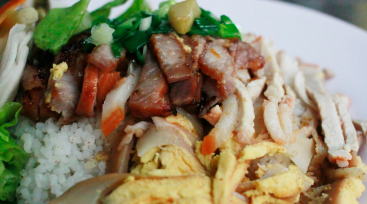
🥓Cơm Tấm - Broken Rice with Pork & Pickled Vegetables Traditionally a breakfast dish, com tam has become hugely popular throughout Vietnam and abroad. ‘Tam’ refers to the...
Continue Reading →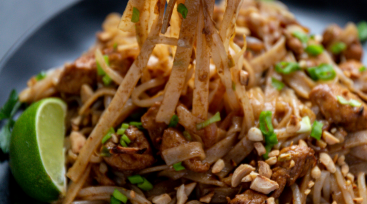
🍜Pad Thai - Stir-Fried Rice Noodles Pad Thai is the national dish of Thailand and is a beloved street food snack. A combination of tangy tamarind, sweet palm sugar, and fish sauce give...
Continue Reading →
Social Cooking Party Korean 🐔 Yangnyeom - KFC Korean Fried Chicken 🍲Bulgogi - Simmered Beef Slices 🌶Banchan- Assorted Pickles and Kimchis ...
Continue Reading →
Taste of Vietnamese Cooking Goi Ga- Vietnamese Chicken Salad Chả Giò -Spring Rolls Phở Gà - Rice Noodles+ Aromatic Chicken Stock Nước Chấm - Fish Sauce Dressing...
Continue Reading →
Flavours of Latin America 🥘 Adobo/ Sofrito Sofrito is a flavourful base that is a foundation for so many Latin American dishes. It’s best cooked low, and slow. Known...
Continue Reading →

Chinese Steam Boat Master Class Chinese hot pot is a warm, comforting, and social meal to have with close-knit family or friends. Learn how to make hot pot at home!...
Continue Reading →
Malaysian Cooking Master Class Date & Sessions: Sunday, 26 March 2023 MENU PAPAYA & MANGO SALAD Thai style salad with...
Continue Reading →
High Tea Menu 1 🥪 Tea Sandwiches Afternoon tea sandwich tips: Getting ahead of the game with your sweet selection is a good idea, but don't assemble your sandwiches too...
Continue Reading →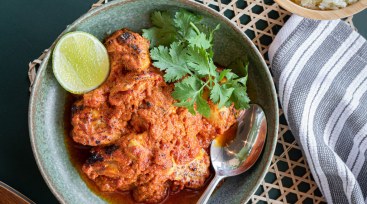
Sri Lankan Cooking Master Class 🍘 Roasted Curry Powder Makes: 180g INGREDIENTS 45g coriander seeds 30g fennel seeds 30g white...
Continue Reading →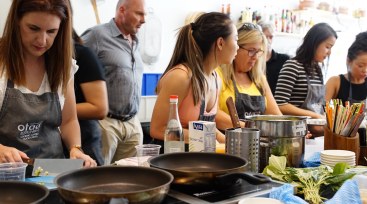
Social Cooking Party- Vietnamese 🐟 Nước Chấm - Fish Sauce Dressing This sweet, savoury and sour dressing is an absolutely essential part...
Continue Reading →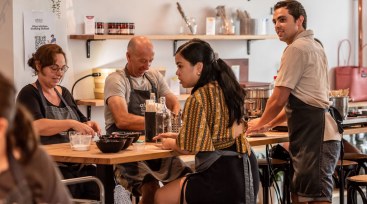
Social Cooking Class- Thai 🌶 Phrik Nam Plaa - Fish Sauce Dressing This fish sauce dressing is a staple of Thai cuisine. It can be used as a salad dressing,...
Continue Reading →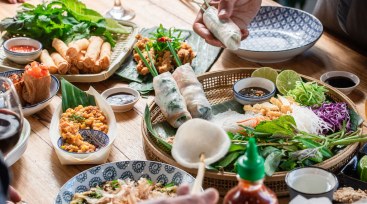
Social Cooking Party- Japanese 🐟 Dashi Stock - Bonito and Kelp Stock Dashi stock is a fundamental component of Japanese cuisine. It has a light,...
Continue Reading →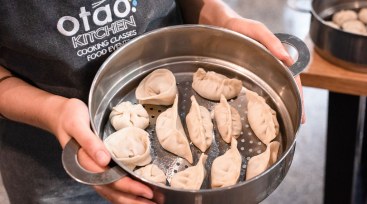
Social Cooking Class- Chinese 🥒Pai Huang Gua- Sichuan Pickled Cucumbers These Sichuan style cucumbers have a lot of depth and flavour from the combination of...
Continue Reading →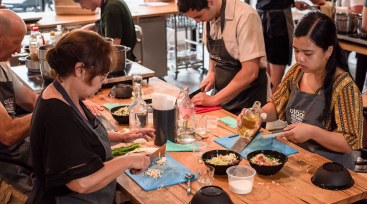
Social Cooking Class - Japanese 🐟 Dashi Stock - Bonito and Kelp Stock Dashi stock is a fundamental component of Japanese cuisine. It has a...
Continue Reading →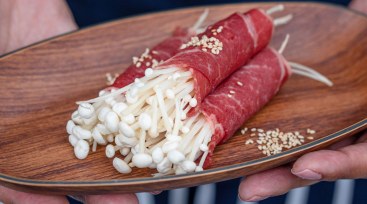
Parents and Kids Cooking Class - Japanese 🍣Makizushi- Sushi Rolls These sushi rolls can be made with any type of seasonal raw fish, and vegetables. A...
Continue Reading →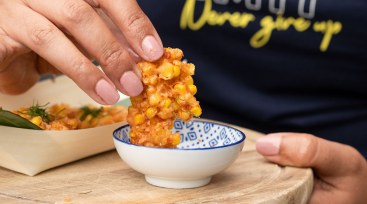
Thai Parents and Kids Cooking Class 🐔Kaeng Kari Kai - Yellow Chicken Curry This curry paste is an integral part of Thai cuisine. It is used as a flavourful...
Continue Reading →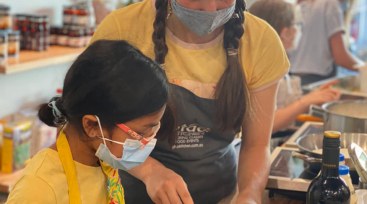
Parents and Kids Cooking Class - Chinese 🍜 Hokkien Mee- Stir Fried Noodles with Bok Choy Serves 2 Total time: 30 minutes ...
Continue Reading →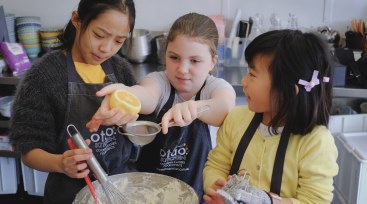
ITALIAN COOKING Cotoletta Milanese - Chicken Cutlet Salsa di Pomodoro (Simple Tomato Sauce) Parpadelle al Ouovo (Egg Pasta) Tiramisu (‘Pick me...
Continue Reading →
Moon Cake Making Class With the Mid-Autumn Festival fast approaching, it's time to start making preparations! This year, why not take your celebrations to the next...
Continue Reading →
JAPANESE COOKING Okonomiyaki- Savoury Pancake Makizushi - Sushi Rolls- aka shiso, cucumber, salmon or kingfish Miso Shiru- Miso soup 🍣Makizushi- Sushi Rolls These...
Continue Reading →
Thai Cooking Kaeng- Thai curry paste Nam Tok- 'waterfall' beef salad Kaeng Khiao Wan-Thai green curry 🐔 Kaeng Kari Kai - Yellow Chicken...
Continue Reading →
Parents and Kids Cooking Class - Vietnamese 🐟 Nước Chấm - Fish Sauce Dressing This sweet, savoury and sour dressing is an absolutely essential...
Continue Reading →
Chinese Cooking Hun Tun Tang- Wonton Soup Hokkien Mee- Stir-Fried Noodles with Bok Choy Gong Bao Jiding- Kung Pao Chicken 🥟 Shanghai Hun Tun Shanghai...
Continue Reading →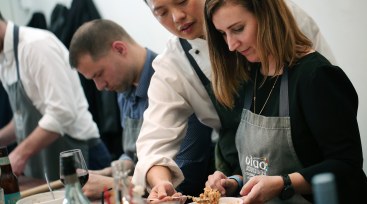
The Menu Handmade Pita Bread Papoutsakia- Stuffed Eggplant with Lamb and Cheese Lamb and Chicken Souvlaki Tzatziki- Herbal Cucumber Yoghurt Kolokithoke Keftedes-...
Continue Reading →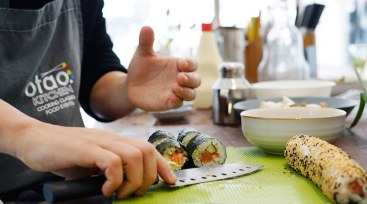
Menu 1 | Jan Mar May Jul Sep Nov Makizushi- Sushi Rolls with Seasonal Fish and Vegetables Miso Shiru - Seasonal Miso Soup Seasonal Tempura - Mixed, Fried Vegetables,...
Continue Reading →
Pizza Making Party 🍕 Neapolitan Pizza Dough In Italy, Neapolitan pizza is a protected cultural heritage item. For a pizza to be considered authentic, it should conform to a...
Continue Reading →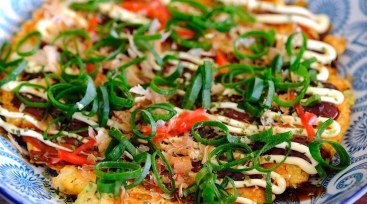
STREET FOOD JAPAN Apr, Aug, Dec *all menus are subject to seasonal change Inarizushi- Tofu Pockets with Salmon Okonomiyaki- Savoury Bacon and Cabbage Pancake Enoki-Niku Maki- Beef...
Continue Reading →
STREET FOOD CHINA Mar, Jul, Nov *all menus are subject to seasonal change Chonqing - Fried Chicken with Sichaun Chillis Pai Huang Gua- Sichaun Pickled Cucumbers Hun Tun...
Continue Reading →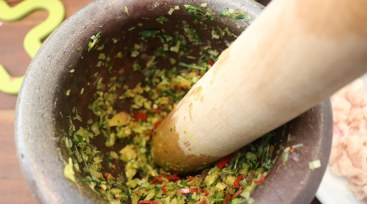
STREET FOOD THAILAND Jan, May, Sep *all menus are subject to seasonal change Gai Tod Nam Pla- Fried Chicken Pad Thai- Stir-Fried Noodles Nam Tok Sen-...
Continue Reading →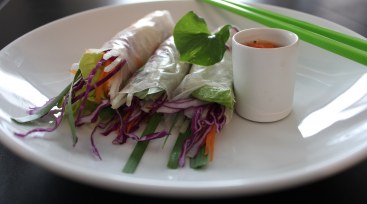
STREET FOOD VIETNAM Feb, Jun, Oct *all menus are subject to seasonal change Bun Bo Lá lốt- Beef Wrapped in Betel Leaves with Rice Noodles Nước Chấm- Fish Sauce Dressing...
Continue Reading →
Cooking with Australian Ingredients Master Class Damper ‘Flatbread’ with Mountain Pepper Bush Pesto and Goat's Cheese Dip Smoked Kangaroo Tenderloin or Lamb Racks with Taro...
Continue Reading →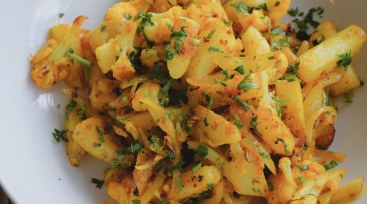
INDIAN COOKING Apr Aug Dec Aloo Bajji Pakora | Potato Fritters Oralu Chitranna | Kerala Festival Rice Malai Kofta- Cashew and Tomato Curry with Potatao and Tofu Balls Kurma | Mixed...
Continue Reading →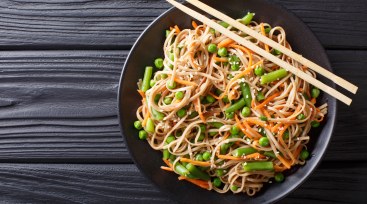
KOREAN COOKING Feb Jun-Oct Oi-Baek-Kimchi- White Cucumber Kimchi Tteokbokki- Spicy Rice Cakes with Seasonal Vegetables Yachae Twigim- Mixed Fried Vegetables Gimbap- Vegan...
Continue Reading →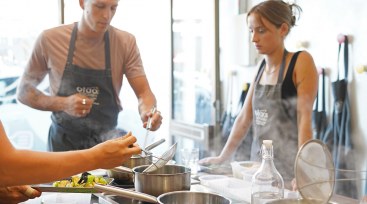
🍘Yaki Ganmodoki- Fried Tofu Cakes 🍚 Chirashi Sushi- Colourful Sushi Rice 🍜 Tantan Ramen - Chilli Oil and Sesame Noodles with Ground Pork 🍜 Tantan Ramen...
Continue Reading →
Vegan Cooking Master Class Vietnamese VIETNAMESE COOKING Mar Jul Nov Nuoc Cham- Sweet and Sour Dipping Sauce Banh It Tran- Steamed Rice and Mungbean Dumplings Goi...
Continue Reading →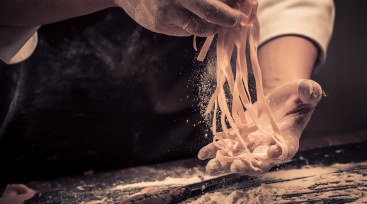
Italian Cooking Master Class Melanzane Alla Involtini Parmigiana - Eggplant and Ricotta Cooked with Tomato Sauce Pappardelle - Fresh Egg Pasta Ragu Al Genovese -Stewed Beef Chuck ...
Continue Reading →
Mexican Cooking Master Class Tacos de Guisado- Stewed Beef Tortillas- Corn Flatbread Salsa Rojo + Salsa Verde Roasted Tomato and Tomatillo Sauces Ceviche con Tostadas -Lightly Cured Seasonal...
Continue Reading →
CHINESE MASTERCLASS · Chonqing - Fried Chicken with Sichaun Chillis · Pai Huang Gua-...
Continue Reading →
Dumpling Party Jiaozi Dumpling Dough GF Dumpling Dough Pork, chicken or vegetarian fillings Dumpling Dipping Sauces Miso Soup 🥟 Jiaozi Dumpling Dough These are...
Continue Reading →
Thai Cooking Master Class Phrik Nam Plaa- Fish Sauce Dressing Kaeng Khiao Wan - Green Curry Paste or Kaeng Phet- Red Curry Paste Tod Man Khao Pod - Fried Corn Fritters Som Tam - Green Papaya...
Continue Reading →
Spanish Cooking Master Class SAMPLE MENU: (MENUS SUBJECT TO SEASONAL CHANGE) Croquetas De Jamon/ De Bacalao- Ham and Cheese Croquettes, or Salt Cod Croquettes Paella...
Continue Reading →
Korean Cooking Master Class A hands-on class exploring bold, comforting, and iconic Korean flavours through fermentation, street food, sauces, fried chicken, pickles, and hearty stew....
Continue Reading →
Indian Cooking Master Class Chicken Tikka Masala Naan- Festival Bread Mint Raita- Cucumber Yoghurt Palak Paneer - Cottage Cheese and Spinach Curry Authentic Spiced Basmati Rice...
Continue Reading →
Vietnamese Cooking Class Master Nước Chấm - Fish Sauce Dressing Cha Gio - Vietnamese Spring Rolls Gỏi đu đủ - Green Mango/Papaya Salad Chả Cá Thăng Long...
Continue Reading →
Japanese Cooking Master Class 2 Menu 2 | Feb Apr Jun Aug Oct Dec Tataki Ponzu- Seasonal Fish with Citrus Soy Sauce Ramen- Alkaline Noodle Dashi- Seafood Stock Kara-age - Fried...
Continue Reading →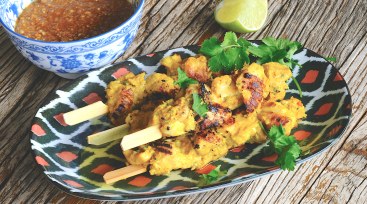
Indonesian Cooking Master Class Bumbu Merah- Fragrant Spice Paste Kecap Kachang- Peanut Sauce with Sweet Soy Sauce Ayam Satay- Grilled Turmeric Chicken Skewers Rendang Daging Sedap- Beef...
Continue Reading →