
Printer Friendly
Print Option

Poultry Essentials

- Servings
0 - Prep
120 m - Cook
120 m
Recipe By: Otao kitchen

Poultry Essentials
Cooking with Poultry at Home
Classes:
- Best of Chicken Essentials
- Duck Demystified
Format: Hands-on cooking class
Duration: 3 hours approx. per class
Location: Otao Kitchen
Class 1: Best of Chicken Essentials
Months: Jan, Mar, May, Jul, Sep, Nov
Class Menu
- Chicken butchery
- Chicken stock, then vegetable soup
- San Choi Bao lettuce cups
- Sous-vide chicken salad with chilli oil
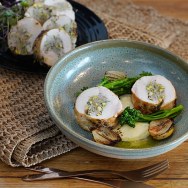
- Chicken roulade with Herbes de Provence
- Southern comfort fried chicken
Whole Chicken Use
Chicken Part | Class Use |
Carcass, wing tips, trim | Chicken stock and vegetable soup |
Breast fillets | Sous-vide chicken salad and roulade |
Thighs and legs | Fried chicken or roulade |
Skin and fat | Rendering, flavour, pan work |
Offcuts | Stock, soup, mince or filling |
Recipe 1: Whole Chicken Butchery
Learning Focus
Whole-bird breakdown, knife safety, joint identification, yield optimisation.
Ingredients
- 1 whole chicken
- Paper towel
- Salt, optional
- Sanitiser and clean cloths
Equipment
- Chef knife
- Boning knife
- Poultry shears
- Chopping board
- Tray for portions
- Bowl for bones and trim
Method
- Place the chicken breast-side up on a stable board.
- Remove the wings by cutting through the natural joint.
- Pull each leg away from the body and cut through the skin between breast and leg.
- Bend the leg back to expose the hip joint, then cut through the joint.
- Separate the thigh and drumstick by cutting through the joint line.
- Remove the breasts by cutting along the breastbone and following the rib cage.
- Trim excess fat and reserve carcass, wing tips, and bones for stock.
- Keep portions chilled until needed.
Chef Note
Do not force the knife through bone. Find the joint and let the knife pass through naturally.
Recipe 2: Chicken Stock & Vegetable Soup
Learning Focus
Waste reduction, stock preparation, vegetable cuts, flavour building.
Ingredients
For the stock
- Chicken carcass, bones, wing tips and trim
- 1 onion, roughly chopped
- 1 carrot, roughly chopped
- 1 celery stalk, roughly chopped
- 1 bay leaf
- Parsley stalks
- 4 black peppercorns
- Cold water to cover
For the soup
- 1 carrot, diced
- 1 celery stalk, diced
- 1 onion, diced
- 1 leek, sliced, optional
- 1 garlic clove, chopped
- 1 tablespoon olive oil
- Chicken stock
- Salt and pepper
- Chopped parsley
Method
- Place chicken bones and vegetable trim in a pot.
- Cover with cold water.
- Bring slowly to a gentle simmer.
- Skim impurities from the surface.
- Simmer gently for 1.5–2 hours.
- Strain the stock.
- For the soup, sweat diced carrot, celery, onion, leek, and garlic in olive oil.
- Add chicken stock and simmer until vegetables are tender.
- Season with salt, pepper, and parsley.
Chef Note
A gentle simmer gives a cleaner stock. Hard boiling can make the stock cloudy and greasy.
Recipe 3: San Choi Bao Lettuce Cups
Learning Focus
Knife skills, chicken mince preparation, aromatics, fast stir-frying, balance of sweet, salty and fresh flavours.
Ingredients
Serves 2–4
- 250 g chicken mince, or finely chopped chicken thigh
- 1 tablespoon neutral oil
- 1 garlic clove, finely chopped
- 1 teaspoon ginger, finely chopped
- 1 small shallot, finely diced
- 2 spring onions, sliced
- 4 water chestnuts, diced, optional
- 1 small carrot, finely diced
- 1 tablespoon soy sauce
- 1 tablespoon oyster sauce
- 1 teaspoon sesame oil
- 1 teaspoon rice vinegar or lime juice
- 1 teaspoon sugar, optional
- Iceberg or baby cos lettuce cups
- Coriander and chilli, optional
Method
- Prepare lettuce cups and keep chilled.
- Finely dice garlic, ginger, shallot, carrot, spring onion, and water chestnuts.
- Heat oil in a wok or frying pan.
- Add garlic, ginger, and shallot. Cook briefly until aromatic.
- Add chicken and stir-fry until cooked through.
- Add carrot and water chestnuts. Cook until just tender.
- Add soy sauce, oyster sauce, sesame oil, vinegar, and sugar.
- Taste and adjust seasoning.
- Spoon into lettuce cups and garnish with spring onion, coriander, and chilli.
Chef Note
The filling should be savoury, glossy, and not too wet. Lettuce cups should stay crisp.
Recipe 4: Sous-Vide Chicken Salad with Chilli Oil
Learning Focus
Chicken breast cookery, gentle cooking, salad preparation, chilli oil dressing, texture control.
Ingredients
Serves 2
Chicken
- 1 chicken breast
- Salt and pepper
- 1 teaspoon olive oil
- Lemon zest, optional
- Thyme, optional
Salad
- Mixed leaves or cabbage
- Cucumber, sliced
- Carrot, julienned
- Spring onion, sliced
- Coriander or mint
- Lime wedges
Chilli oil dressing
- 2 tablespoons chilli oil
- 1 tablespoon soy sauce
- 1 tablespoon lime juice
- 1 teaspoon rice vinegar
- 1 teaspoon honey or sugar
- ½ teaspoon sesame oil
Method
- Season chicken breast with salt, pepper, olive oil, lemon zest, and thyme.
- Seal in a sous-vide bag.
- Cook sous-vide until safely cooked through according to chef instructions and food safety requirements.
- Chill briefly or rest before slicing.
- Prepare salad vegetables with even knife cuts.
- Mix chilli oil, soy sauce, lime juice, vinegar, honey, and sesame oil.
- Slice chicken neatly across the grain.
- Arrange salad, top with chicken, and spoon over dressing.
Chef Note
Sous-vide chicken should be tender, juicy, and evenly cooked. Slice cleanly with a sharp knife to avoid tearing the meat.
Recipe 5: Chicken Roulade with Herbes de Provence
Learning Focus
Deboning, flattening, rolling, tying, seasoning, even cooking.
Ingredients
Serves 2
- 1 large chicken breast or boned chicken leg
- Salt and pepper
- 1 teaspoon Herbes de Provence
- 1 garlic clove, finely chopped
- 1 tablespoon soft butter or olive oil
- Lemon zest
- Parsley, chopped
- Kitchen twine
Optional filling
- Spinach
- Mushrooms
- Ricotta
- Roasted capsicum
Method
- Lay chicken breast or boned leg between sheets of baking paper.
- Gently flatten to an even thickness.
- Season with salt, pepper, Herbes de Provence, garlic, lemon zest, and parsley.
- Add a thin layer of filling if using.
- Roll tightly into a neat cylinder.
- Tie with kitchen twine at even intervals.
- Sear in a pan until golden.
- Finish in the oven until cooked through.
- Rest before slicing into rounds.
Chef Note
The roulade must be rolled firmly but not overfilled. Resting helps it slice cleanly.
Recipe 6: Southern Comfort Fried Chicken
Learning Focus
Chicken portioning, seasoning, crumbing, frying station workflow, safe frying.
Ingredients
Serves 2–4
Chicken
- Chicken thighs, drumsticks or wings
- 250 ml buttermilk
- 1 teaspoon salt
- ½ teaspoon black pepper
- 1 teaspoon smoked paprika
- ½ teaspoon garlic powder
- ½ teaspoon onion powder
- ½ teaspoon dried oregano or thyme
- Hot sauce, optional
Crumb coating
- 1 cup plain flour
- ½ cup cornflour
- 1 teaspoon smoked paprika
- 1 teaspoon salt
- ½ teaspoon black pepper
- ½ teaspoon cayenne, optional
To cook
- Neutral oil, for frying
- Lemon wedges
- Pickles or slaw, optional
Method
- Marinate chicken in buttermilk, salt, pepper, paprika, garlic powder, onion powder, herbs, and hot sauce.
- Mix flour, cornflour, paprika, salt, pepper, and cayenne.
- Remove chicken from marinade and let excess drip off.
- Coat well in seasoned flour.
- Rest crumbed chicken for a few minutes so the coating hydrates.
- Fry in hot oil until golden and cooked through.
- Drain on a rack, not paper towel, to keep the crust crisp.
- Serve with lemon, pickles or slaw.
Chef Note
Use a shared frying station for class workflow. Keep raw and cooked chicken trays clearly separated.
Class 2: Duck Demystified
Months: Feb, Apr, Jun, Aug, Oct, Dec
Class Menu
- Duck butchery
- Duck rillettes with thyme and tarragon
- Duck breast with gastrique
- Duck confit cassoulet with garlic-parsley crumbs
- Duck ragù with pappardelle
- Duck fat roast potatoes
Whole Duck Use
Duck Part | Class Use |
Breasts | Pan-seared duck breast with gastrique |
Legs | Confit cassoulet or rillettes |
Trim and offcuts | Duck ragù |
Bones and carcass | Duck stock |
Skin and fat | Rendered duck fat and roast potatoes |
Confit meat | Cassoulet and rillettes |
Recipe 1: Whole Duck Butchery
Learning Focus
Duck anatomy, fat management, breast removal, leg removal, whole-bird utilisation.
Ingredients
- 1 whole duck
- Paper towel
- Salt, optional
- Clean trays for duck parts
Equipment
- Chef knife
- Boning knife
- Poultry shears
- Chopping board
- Bowls for bones, fat, trim, and meat
Method
- Pat duck dry with paper towel.
- Remove excess fat from cavity and reserve for rendering.
- Remove legs by cutting through the skin between leg and breast.
- Bend the leg back to expose the joint, then cut through the joint.
- Remove breasts by cutting along the breastbone and following the rib cage.
- Keep the skin attached to the breast.
- Trim excess fat and reserve for rendering.
- Reserve carcass and bones for stock or sauce base.
Chef Note
Duck has more fat than chicken. Teach students to see fat as a cooking ingredient, not waste.
Recipe 2: Duck Rillettes with Thyme & Tarragon
Learning Focus
Slow cooking, shredding, seasoning, fat preservation, pâté-style preparation.
Ingredients
Serves 4 as a starter
- 2 duck legs, cooked confit-style
- 2 tablespoons duck fat
- 1 teaspoon thyme leaves
- 1 teaspoon chopped tarragon
- 1 small shallot, finely diced
- 1 teaspoon Dijon mustard
- 1 teaspoon brandy or orange juice, optional
- Salt and pepper
- Toasted bread or cornichons, to serve
Method
- Remove skin and bones from cooked duck legs.
- Shred meat finely with forks.
- Mix with duck fat until spreadable.
- Add thyme, tarragon, shallot, mustard, and brandy or orange juice if using.
- Season with salt and pepper.
- Pack into a ramekin or small bowl.
- Serve with toast, cornichons or salad leaves.
Chef Note
Rillettes should be rich but balanced. Herbs, mustard, and acidity help cut through the fat.
Recipe 3: Duck Breast with Gastrique
Learning Focus
Rendering duck fat, pan-searing, resting, sauce balance.
Ingredients
Serves 2
Duck
- 2 duck breasts
- Salt and pepper
Gastrique
- 2 tablespoons sugar
- 2 tablespoons red wine vinegar or sherry vinegar
- 100 ml orange juice or stock
- 1 small shallot, finely chopped
- 1 knob butter
- Salt, to taste
Method
- Pat duck breasts dry.
- Score the skin lightly without cutting into the meat.
- Season with salt and pepper.
- Place duck skin-side down in a cold pan.
- Cook slowly to render the fat and crisp the skin.
- Turn and cook briefly on the flesh side.
- Rest before slicing.
- For the gastrique, caramelise sugar gently in a small pan.
- Add vinegar carefully and reduce.
- Add orange juice or stock and shallot. Simmer until syrupy.
- Whisk in butter and season.
- Slice duck and serve with gastrique.
Chef Note
Start duck breast in a cold pan. This gives the fat time to render and the skin time to become crisp.
Recipe 4: Duck Confit Cassoulet with Garlic-Parsley Crumbs
Learning Focus
Confit preparation, braising, bean cookery, crumb topping, French comfort food technique.
Chef Preparation Before Class
- Cure duck legs with salt, garlic, thyme, bay leaf, and orange zest.
- Cook duck legs slowly in duck fat until tender.
- Chill safely before class.
Ingredients
Serves 4
- 2 duck confit legs
- 1 tablespoon duck fat
- 1 onion, diced
- 1 carrot, diced
- 1 celery stalk, diced
- 2 garlic cloves, chopped
- 1 bay leaf
- 1 sprig thyme
- 1 tablespoon tomato paste
- 400 g cooked white beans
- 300 ml chicken or duck stock
- Salt and pepper
Garlic-parsley crumbs
- ½ cup breadcrumbs
- 1 garlic clove, finely chopped
- 2 tablespoons parsley, chopped
- 1 tablespoon duck fat or olive oil
- Lemon zest, optional
Method
- Warm duck confit gently and remove bones if desired.
- Heat duck fat in a pan.
- Sweat onion, carrot, celery, and garlic.
- Add tomato paste and cook briefly.
- Add beans, bay leaf, thyme, and stock.
- Simmer until thick and flavourful.
- Nestle duck confit into the beans.
- Mix breadcrumbs with garlic, parsley, duck fat, and lemon zest.
- Sprinkle crumbs over the cassoulet.
- Bake until golden and bubbling.
Chef Note
Cassoulet should be hearty and rich, but not dry. Add extra stock if needed during baking.
Recipe 5: Duck Ragù with Pappardelle
Learning Focus
Duck trim utilisation, slow cooking, sauce building, pasta finishing.
Ingredients
Serves 4
- Duck leg meat, trim or diced duck meat
- 1 tablespoon duck fat or olive oil
- 1 onion, finely diced
- 1 carrot, finely diced
- 1 celery stalk, finely diced
- 2 garlic cloves, chopped
- 1 tablespoon tomato paste
- 150 ml red wine, optional
- 400 g crushed tomatoes
- 200 ml duck or chicken stock
- 1 bay leaf
- 1 sprig thyme
- Salt and pepper
- Pappardelle pasta
- Parmesan, optional
- Parsley, to finish
Method
- Dice onion, carrot, and celery evenly.
- Brown duck meat or trim in duck fat.
- Add onion, carrot, celery, and garlic. Cook until softened.
- Add tomato paste and cook for 1–2 minutes.
- Add wine if using and reduce.
- Add tomatoes, stock, bay leaf, and thyme.
- Simmer until duck is tender and sauce is rich.
- Shred duck meat if needed.
- Cook pappardelle until al dente.
- Toss pasta with ragù and finish with parsley and parmesan.
Chef Note
Ragù is a good use for trim and tougher pieces. Slow cooking builds flavour and tenderness.
Recipe 6: Duck Fat Roast Potatoes
Learning Focus
Rendered fat use, potato preparation, roasting technique, texture control.
Ingredients
Serves 4
- 800 g potatoes
- 3–4 tablespoons duck fat
- Salt
- Black pepper
- Garlic cloves, optional
- Rosemary or thymex
- Parsley, chopped, optional
Method
- Peel potatoes and cut into even pieces.
- Parboil in salted water until edges begin to soften.
- Drain and shake gently to roughen the edges.
- Heat duck fat in a roasting tray.
- Add potatoes carefully and turn to coat.
- Roast at 200°C until golden and crisp.
- Add garlic and herbs near the end to avoid burning.
- Season and finish with parsley.
Chef Note
Rough edges create crunch. Hot fat gives the potatoes a crisp exterior.
Recipe 7: Quick Duck Stock
Learning Focus
Whole-bird utilisation, bones and trim, sauce foundation.
Ingredients
Makes approx. 1 litre
- Duck carcass and bones
- Duck neck or wing tips, optional
- 1 onion, chopped
- 1 carrot, chopped
- 1 celery stalk, chopped
- 1 bay leaf
- Thyme
- Black peppercorns
- Cold water to cover
Method
- Roast duck bones until browned, if time allows.
- Place bones in a stockpot with vegetables and aromatics.
- Cover with cold water.
- Bring to a gentle simmer.
- Skim impurities from the surface.
- Simmer until flavourful.
- Strain and cool quickly.
Chef Note
Duck stock is excellent for sauces, ragù, cassoulet, soups, and reductions.
Final Student Learning Summary
Class 1: Chicken Essentials
Skill | Dish |
Whole chicken butchery | Chicken portions for multiple recipes |
Stock and waste reduction | Chicken stock and vegetable soup |
Fast aromatic cooking | San Choi Bao lettuce cups |
Gentle chicken breast cookery | Sous-vide chicken salad with chilli oil |
Deboning and rolling | Chicken roulade with Herbes de Provence |
Crumbing and frying | Southern comfort fried chicken |
Class 2: Duck Demystified
Skill | Dish |
Duck butchery | Breasts, legs, trim, carcass and fat allocation |
Slow cooking and preservation | Duck rillettes |
Fat rendering and sauce work | Duck breast with gastrique |
Confit and braising | Duck confit cassoulet |
Trim utilisation | Duck ragù with pappardelle |
Rendered fat cookery | Duck fat roast potatoes |
Stock and sauce foundation | Quick duck stock |
Core Teaching Message
Poultry cookery is about using the whole bird with confidence. Chicken teaches the foundations: butchery, stock, roasting, frying, and practical family cooking. Duck builds on those skills with richer flavour, rendered fat, confit, sauce work, and refined presentation.
Ingredients
Directions
© 2026 OTAO Kitchen. All Rights Reserved. ABN 65 606 809 581
Printed From otaokitchen.com.au 10/22/2026