
Blogs
The Art of Japanese Cooking (Washoku): A Deep Dive into Tradition, Technique, and Taste
Japanese cuisine is often described as simple—but that simplicity is deceptive. Behind every bowl of rice, every slice of sashimi, and every perfectly balanced meal lies centuries of refinement, cultural philosophy, and technical precision.
Known as washoku, Japanese cooking is not just about food—it’s about harmony, seasonality, and respect for ingredients. Recognised by UNESCO as an Intangible Cultural Heritage, it continues to shape how the world understands flavour and balance.
What Makes Japanese Cuisine Unique?
At its core, Japanese cooking is about balance and intention.
Unlike many cuisines that build complexity through heavy seasoning, Japanese food focuses on enhancing natural flavours.
Key characteristics include:
- Minimal use of fats and oils
- Emphasis on fresh, seasonal ingredients
- Clean, well-defined flavours
- Thoughtful presentation and portioning
Meals are designed not just to taste good—but to feel balanced and complete.
The Foundation: One Soup, Three Sides
A traditional Japanese meal follows a structure known as ichijū-sansai (one soup, three sides).
This includes:
- Rice (gohan) – the central staple
- Soup – usually miso or a light broth
- Three side dishes (okazu):
- Protein (fish, tofu, or meat)
- Cooked vegetables
- Pickled or fresh elements
👉 Why this matters:
- Creates nutritional balance
- Offers variety in texture and flavour
- Keeps portions controlled and intentional
A Cuisine Shaped by History
Japanese cooking didn’t evolve overnight—it reflects centuries of cultural shifts.
Key influences:
- Buddhism:
- Limited meat consumption for over 1,000 years
- Encouraged plant-based and seafood diets
- Geography:
- Island nation → heavy reliance on seafood
- Abundance of seasonal produce
- Preservation techniques:
- Fermentation led to early forms of sushi
- Pickling became essential
- Western influence (Meiji era):
- Introduction of meat dishes
- Development of favourites like:
- Curry rice
- Tonkatsu
- Ramen
Seasonality: Eating with the Seasons
One of the most important concepts in Japanese cooking is “shun”—eating ingredients at their peak.
This means:
- Spring → light, fresh flavours (bamboo shoots, greens)
- Summer → cooling dishes (cold noodles, light broths)
- Autumn → rich, earthy ingredients (mushrooms, chestnuts)
- Winter → hearty, warming meals (hot pots, simmered dishes)
👉 The goal:
- Maximise flavour naturally
- Connect food to nature and time
Essential Ingredients in Japanese Cooking
Japanese cuisine relies on a small number of foundational ingredients used with precision.
Core staples
- Rice (short-grain, slightly sticky)
- Noodles:
- Soba (buckwheat)
- Udon (thick wheat noodles)
- Ramen (modern adaptation)
Flavour builders
- Dashi (stock made from seaweed and fish)
- Soy sauce
- Miso paste
- Mirin and sake
Supporting ingredients
- Seafood (fish, shellfish)
- Tofu and soy products
- Seaweed (nori, wakame)
- Pickles (tsukemono)
👉 The magic lies not in variety—but in how these ingredients are combined.
Mastering Japanese Cooking Techniques
Japanese cuisine uses a range of techniques—each chosen carefully based on the ingredient.
Key methods:
- Raw – sashimi (precision and knife skills)
- Grilled – yakimono (clean, smoky flavour)
- Simmered – nimono (gentle, flavour absorption)
- Steamed – mushimono (light and delicate)
- Deep-fried – tempura (light, crisp batter)
- Dressed/pickled – sunomono, aemono
👉 Important insight:
- Cooking method is chosen to respect the ingredient, not overpower it.
Presentation: Eating with Your Eyes First
Japanese food is as much visual as it is culinary.
Common principles:
- Each dish served separately
- Colours balanced across the meal
- Seasonal elements reflected in plating
- Natural garnishes like leaves or flowers
Even the table layout matters:
- Rice on the left
- Soup on the right
- Side dishes arranged carefully
Dining Culture and Etiquette
Japanese dining is deeply rooted in respect and ritual.
Before eating
- Say “Itadakimasu” (gratitude for the meal)
After eating
- Say “Gochisō-sama deshita” (thank you for the feast)
Other customs
- Chopsticks placement matters
- Individual portions are preferred
- Avoid mixing flavours on one plate
Japanese Cuisine Around the World
Today, Japanese food is global:
- Sushi is as common as sandwiches in many cities
- Ramen shops are booming worldwide
- Japanese techniques influence fine dining
Despite global adaptations, the core philosophy remains:
👉 balance, simplicity, and respect for ingredients
A Local Perspective: Bringing Japanese Cooking to Life
In modern culinary spaces, these traditional principles continue to be practiced and reinterpreted.
At Otao Kitchen, for example:
- Menus reflect balance and seasonality
- Dishes highlight stock-based flavour building and technique
- Cooking classes focus on:
- Knife skills
- Butchery and preparation
- Core cooking methods like roasting, braising, and sautéing
- Participants experience how traditional principles translate into real cooking
This kind of hands-on approach bridges the gap between theory and practice—making Japanese cuisine more accessible while preserving its essence.
Shopping for Japanese Cooking Ingredients in Melbourne
Getting started with Japanese cooking begins with one thing: buying the right ingredients. Because Japanese cuisine is simple and balanced, quality matters more than quantity.
Essential Ingredients to Start With
Focus on a small, core pantry:
- Sushi rice (short-grain)
- Soy sauce (naturally brewed)
- Miso paste (white or red)
- Dashi (stock base – kombu & bonito flakes)
- Mirin and rice vinegar
👉 With just these, you can already cook many classic dishes.
Where to Shop in Melbourne
Best Japanese Grocers
- Suzuran (Camberwell)
- Fuji Mart (South Yarra)
- Hinoki Pantry (Fitzroy)
Budget-Friendly Options
- KT Mart / H-Mart
Fresh Produce & Seafood
- Queen Victoria Market
- South Melbourne Market
💡 Ask for fresh or sashimi-grade fish when needed.
Quick Buying Tips
- Choose short-grain rice (not long-grain)
- Start with white miso (milder flavour)
- Pick simple, high-quality soy sauce
- Always prioritise fresh seafood and vegetables
Keep It Seasonal
Even in Melbourne, follow Japanese principles:
- Light dishes in summer
- Warm broths in winter
- Use what’s fresh and local
Final Thoughts
Japanese cooking teaches us that great food doesn’t need to be complicated.
Instead, it’s about:
- Respecting ingredients
- Understanding balance
- Cooking with intention
Whether in a traditional kitchen or a modern class setting, these principles remain timeless.
Melbourne is one of Australia’s most exciting food cities, known for its vibrant markets, multicultural cuisine and passionate chefs. It’s no surprise that cooking classes in Melbourne have become one of the most popular food experiences for locals, travellers, couples, and corporate groups.
But with so many cooking schools and culinary experiences available, how do you choose the right one?
Whether you’re looking to learn new skills, explore global cuisines or enjoy a unique social experience, here are 7 expert tips to consider when selecting the right cooking class in Melbourne.
1. Hands-On Cooking vs Demonstration Classes
Not all cooking classes are the same.
Some classes focus mainly on demonstrations, where participants watch the chef prepare dishes with limited participation.
Others offer a fully hands-on cooking experience, where you actively prepare the ingredients, cook the dishes and plate the final meal.
There are few that have a combination of demonstrations and a limited amount of cooking or putting together ingredients.
If your goal is to gain practical cooking skills and confidence in the kitchen, a hands-on cooking class is usually the most rewarding option.
Tip: Look for experiences where participants are encouraged to cook, taste and experiment throughout the session.
2. Learn From Experienced Chefs
The chef leading the class plays a major role in the quality of the experience.
A great cooking class chef instructor should combine:
- Professional culinary experience,
- Deep knowledge of the cuisine, and
- The ability to teach techniques clearly,
making the class engaging and accessible for participants of all backgrounds and skill levels.
Many of the best cooking classes are taught by chefs who have cultural connections to the cuisine they teach. This allows them to share authentic stories, ingredient knowledge and traditions that go far beyond a recipe.
Tip: A great cooking class should be led by a qualified chef instructor, not just a food enthusiast.
3. Class Size and Interaction
Class size can significantly influence your overall experience.
Smaller classes often provide more interaction with the chef, personalised guidance while cooking, and a relaxed social atmosphere.
Larger classes can still be enjoyable, particularly for team-building activities, but the structure should ensure that everyone remains involved and engaged.
Tip: When researching cooking classes in Melbourne, it’s always worth checking how many participants typically attend each session.
4. Learning Techniques, Not Just Recipes
Some classes focus on preparing one or two dishes.
The most valuable cooking classes also teach fundamental cooking techniques such as:
- Knife skills,
- Flavour balancing,
- Ingredient selection,
- Timing and preparation
Learning these techniques means you can recreate and adapt dishes confidently at home.
Tip: When evaluating a cooking class, ask yourself: "Will I be learning cooking techniques or just recipes?"
5. The Social Experience
Cooking classes are not only about learning. They are also about sharing food and enjoying the experience together.
Many classes finish with participants sitting down to enjoy the dishes they prepared together.
This shared dining experience makes cooking classes ideal for couples, friends, travellers, and corporate groups.
Tip: A great cooking class blends learning, collaboration and enjoyment.
6. Safety and Professional Standards
A professional cooking class should prioritise food safety, organisation and clear supervision.
Because classes involve shared kitchens, sharp tools and heat, it’s crucial that the venue follows recognised food safety and operational standards.
Reputable venues should also carry public liability insurance and have instructors with recognised food safety training or certifications.
Some cooking schools may also be connected with tourism or hospitality industry organisations, reflecting their commitment to maintaining professional standards.
Choosing a compliant and professionally run venue helps ensure a safe and enjoyable cooking experience.
Tip: Look for cooking schools that operate as a registered food business, comply with local health regulations and maintain clean, well-equipped kitchens.
7. Location and Atmosphere
The venue itself can also influence the overall experience.
Cooking classes located in vibrant food precincts or cultural neighbourhoods can offer a deeper connection to the cuisine.
Some experiences also incorporate:
- Market visits,
- Ingredient sourcing and supplier intros,
- Cultural storytelling.
These elements help turn a simple cooking class into a memorable culinary experience.
Tip: Check where the cooking class is held. It is a at a purpose-built, safe venue or at someone's living room?
Finding the Right Cooking Class in Melbourne
Melbourne offers an incredible variety of cooking classes and culinary experiences.
When choosing a cooking class in Melbourne, look beyond the menu. Think about the format, the instructor, the class size, the depth of learning and the overall atmosphere.
The most rewarding classes usually combine:
-
hands-on participation
-
experienced and qualified instruction
-
cultural knowledge
-
useful techniques
-
a warm, social and safe dining experience
Whether you are a local looking to sharpen your kitchen skills or a visitor wanting a memorable food experience, Melbourne offers cooking classes for every kind of cook.
If you choose well, you will leave with more than recipes. You will leave with confidence, inspiration and an experience worth talking about.
About Otao Kitchen
Otao Kitchen is one of Melbourne’s well-known cooking schools, located in Abbotsford just 3.5 km from the CBD. Established in 2014, it operates from a purpose-built cooking school with two commercial teaching kitchens designed for hands-on learning.
The school specialises in multicultural cuisines, offering classes such as Thai, Vietnamese, Japanese, Italian pasta making, and dumplings. Classes are led by professional chef instructors and focus on practical skills, authentic recipes, and shared dining experiences.
With over 300 5-star Google reviews and strong ratings, Otao Kitchen has become a popular destination for locals, tourists, and corporate team-building events looking for an engaging cooking experience in Melbourne. We deliver most of the cooking classes in Melbourne with 500+ cooking classes per year with over 8,000 happy customers.
Cooking Masterclasses Overview
Australian
Cooking with Australian Ingredients Masterclass
North Asia
Dumplings Party | Chinese Cooking Masterclass | Japanese Cooking Masterclass | Korean Cooking Masterclass
South & South East Asia
Thai Cooking Masterclass | Vietnamese Cooking Masterclass | Street Food of Asia | Malaysian Cooking Masterclass | Mooncake Making Class | Indian Cooking Masterclass
Europe
Pizza Making Party | Italian Cooking Masterclass | Spanish Cooking Masterclass | Greek Cooking Masterclass
Middle East
Middle Eastern Lebanese Cooking Masterclass
Latin America
Mexican Cooking Masterclass | Flavors of Latin America Masterclass | Latin Desserts Masterclass
The Confident Home Chef Program
Poultry Essentials | Beef and Lamb Essentials | Seafood Mastery | Pork and Game Essentials | Vegetables & Plant-Based Mastery | Pastry and Dessert Specialties | Artisan Handcrafted Skills: Pasta, Noodles & Dumplings Mastery | Sauces, Fermentation & Pickling Specialties | Bakery Specialties | Knife Skills' Masterclass
A Guide to Learning, Eating and Enjoying the Experience
Melbourne is one of Australia’s great food cities. From neighbourhood cafés and bustling markets to global cuisines from every corner of the world, food is part of the city’s identity.
For many locals and visitors, enjoying Melbourne’s food scene does not stop at restaurants. More people are looking for hands-on experiences that let them learn, cook, share a meal, and take away practical skills they can use again at home.
That is why cooking classes in Melbourne have become such a popular activity for couples, friends, families, tourists, and corporate groups.
But with so many options available, how do you choose the right class?
This guide will help you understand what to look for in a cooking class, what type of experience may suit you best, and how to find a class that offers more than just a recipe.
Why Take a Cooking Class in Melbourne?
Cooking classes offer something that dining out cannot. They are interactive, social, and memorable.
A good class can help you:
-
learn practical cooking skills you can use at home
-
build confidence in the kitchen
-
explore new cuisines and ingredients
-
enjoy a shared experience with friends, family, or colleagues
-
discover the cultural stories behind dishes
-
sit down and enjoy the food you have made together
For visitors to Melbourne, a cooking class can also be a meaningful way to experience the city’s multicultural food culture beyond restaurants and cafés.
Comparison Table: Top Cooking Class in Melbourne
Below is a comparison of some well-known cooking schools in Melbourne.
Cooking Classes | Location | Distance from CBD | Cuisine Focus | Founded | Google Reviews | Capacity |
Otao Kitchen | Abbotsford | 3.5 km | Multicultural cuisines | 2014 | 300+ | 10–80 |
Savour Chocolate & Patisserie | Brunswick | 7 km | Pastry & desserts | 2002 | 250–400 | 10–20 |
CAE (Centre for Adult Education) | Box Hill | 14 km | Multicultural | 1947 | 200–300 | 10–20 |
Relish Mama | Cheltenham | 18 km | Italian & Spanish | 2009 | 250–350 | 10–18 |
GK Tapas Bar & Restaurant | Moonee Ponds | 7 km | Spanish tapas | 2013 | 400–700 | 8–20 |
Yes Chef Cooking School | Carlton | 2 km | Western cuisine | 2012 | 70–100 | 4–12 |
Cooking With Lola | CBD | 1 km | Spanish | 2015 | 40–80 | 4–10 |
Cooking On The Bay | Bayside | 16 km | French | 2010 | 80–120 | 4–12 |
Spice Bazaar | Seddon | 7 km | Middle Eastern | 2014 | 50–90 | 6–12 |
Heavenly Morsel | Bentleigh East | 22 km | Indian | 2014 | 100–200 | 4–10 |
Brunswick Kitchen | Brunswick | 6 km | Vietnamese / Asian | 2018 | 30–60 | 6–12 |
Trupp The Chef Table | South Yarra | 4 km | French | 2016 | 30–60 | 6–14 |
What Type of Cooking Class Suits You?
Not all cooking classes are the same. Some are highly interactive, while others focus more on watching, tasting, and listening. Understanding the format is the first step in choosing the right experience.
Hands-On Cooking Classes
Hands-on classes are ideal for people who want to actively cook, learn techniques, and build confidence.
In this type of class, participants usually prepare dishes themselves, often working in pairs or small groups with guidance from the chef. This format is especially valuable if your goal is to improve your skills rather than simply enjoy a demonstration.
Hands-on classes are often best for:
-
beginners who want practical guidance
-
home cooks wanting to improve technique
-
couples or friends looking for an interactive experience
-
team-building groups who want to cook together
Demonstration-Style Classes
Demonstration classes focus more on observing a chef prepare dishes while explaining ingredients, methods, and ideas.
These classes can be enjoyable if you want inspiration, food knowledge, or a relaxed culinary event without doing all the cooking yourself. They may also suit people who are more interested in tasting and conversation than active participation.
They are often best for:
-
food lovers who enjoy watching expert chefs
-
guests looking for a more relaxed pace
-
people interested in ideas and inspiration rather than skill-building
Social Dining Experiences with Cooking Elements
Some classes combine cooking with socialising and shared dining. These experiences are popular for date nights, celebrations, and group events because they balance learning with enjoyment.
If your main goal is to have fun, meet people, and enjoy a memorable meal, this style of class can be a great option.
Why the Instructor Matters
One of the biggest differences between cooking classes is the quality of the teaching.
A skilled chef instructor does more than guide people through a recipe. They explain the “why” behind the cooking, help troubleshoot mistakes, and show techniques that participants can apply beyond that one class.
A strong instructor often brings:
-
real culinary experience
-
confidence in teaching different skill levels
-
deep knowledge of ingredients and techniques
-
the ability to explain cultural context and food traditions
-
practical tips that make home cooking easier
This is particularly important in multicultural cooking classes. Learning how to prepare a dish is useful, but understanding its background, flavour balance, regional influences, and traditional methods makes the experience much richer.
Cultural Knowledge Makes the Experience Better
Melbourne’s food culture is shaped by many communities and traditions, and this is reflected in the cooking classes available across the city.
A meaningful class should not only show you what to cook, but also help you understand where a dish comes from and why it is prepared in a certain way.
Whether it is handmade pasta, Thai street food, dumplings, curry pastes, or Spanish tapas, cultural context adds depth to the experience. It can turn a simple lesson into something more memorable, educational, and authentic.
For many people, this is one of the most rewarding parts of joining a cooking class.
Class Size and Level of Interaction
Class size has a major impact on the experience.
Smaller classes often allow for more one-on-one attention, easier conversation, and closer guidance from the chef. Larger classes can create a lively atmosphere, but they may offer less personal interaction depending on how they are structured.
When choosing a class, it is worth considering:
-
how many participants will attend
-
whether you cook individually, in pairs, or in groups
-
how much direct support the instructor provides
-
whether the kitchen space is designed for teaching
A well-run class should still feel personal, even in a group setting. Participants should have enough opportunity to ask questions, get involved, and practise the techniques being taught.
Does the Class Teach Techniques or Just Recipes?
This is one of the most important questions to ask.
Some classes focus mainly on following a recipe step by step. That can still be fun, especially for a social occasion, but the learning may end there.
Other classes teach broader cooking techniques that can be used again and again at home. These classes tend to offer more long-term value because they help participants become better cooks, not just complete one dish.
Look for classes that teach skills such as:
-
knife handling and preparation
-
balancing flavours
-
heat control and timing
-
seasoning correctly
-
working with herbs, spices, sauces, and aromatics
-
adapting techniques across different dishes
A technique-focused class often leaves participants with greater confidence and a better understanding of cooking as a whole.
The Best Cooking Classes Offer More Than Food
A memorable cooking class is about more than what ends up on the plate.
The overall experience matters just as much as the menu. Many people choose cooking classes because they want a combination of learning, connection, and enjoyment.
A great class often includes:
-
a warm and welcoming atmosphere
-
opportunities to cook and interact
-
time to sit down and enjoy the meal
-
a sense of shared experience
-
recipes or take-home notes to continue learning later
For couples, it can be a unique date activity. For travellers, it can be a cultural experience. For friends and families, it can be a fun and meaningful way to spend time together. For workplaces, it can be an engaging team-building event.
What to Look For Before Booking
Before choosing a cooking class in Melbourne, it helps to consider a few practical points.
1. Is it hands-on?
If you want to improve your cooking, make sure the class gives you real involvement in preparing the dishes.
2. Who is teaching it?
Look for instructors with professional experience and strong teaching ability.
3. How big is the class?
Check whether the group size will allow enough interaction and support.
4. What will you actually learn?
Choose a class that teaches useful techniques, not just a fixed recipe.
5. What is included?
Some classes include ingredients, aprons, recipe packs, and a sit-down meal afterward.
6. Can dietary needs be accommodated?
This is especially important for group bookings and mixed households.
7. What kind of atmosphere are you looking for?
Some people want a serious skills-based class. Others want a relaxed and social experience. The best choice depends on your goal.
Who Cooking Classes Are Great For
Cooking classes in Melbourne can suit a wide range of people.
They are especially popular with:
-
couples looking for a unique date activity
-
friends wanting to do something interactive together
-
families sharing a food experience
-
tourists wanting to experience Melbourne through food
-
home cooks building confidence
-
corporate teams seeking a social and collaborative activity
The flexibility of cooking classes is part of their appeal. Some people join to learn. Others join to celebrate. The best classes manage to do both.
Why Melbourne Is Ideal for Cooking Experiences
Melbourne is especially well suited to cooking classes because of its diversity. The city’s food culture is influenced by Italian, Greek, Vietnamese, Thai, Chinese, Indian, Spanish, Middle Eastern, Japanese, and many other culinary traditions.
That means participants can explore a wide variety of cuisines and techniques in one city, whether they are interested in pasta making, dumplings, curries, street food, pastries, or modern fusion cooking.
It also means a cooking class here can feel like more than a lesson. It can be a way to better understand the flavours and communities that shape Melbourne itself.
Final Thoughts
The right cooking class can give you much more than a meal.
It can teach you practical skills, deepen your understanding of food, introduce you to new cultures, and create a genuinely enjoyable experience to share with others.
When choosing a cooking class in Melbourne, look beyond the menu. Think about the format, the instructor, the class size, the depth of learning, and the overall atmosphere.
The most rewarding classes usually combine:
-
hands-on participation
-
experienced teaching
-
cultural knowledge
-
useful techniques
-
a warm, social dining experience
Whether you are a local looking to sharpen your kitchen skills or a visitor wanting a memorable food experience, Melbourne offers cooking classes for every kind of cook.
If you choose well, you will leave with more than recipes. You will leave with confidence, inspiration, and an experience worth talking about.
Otao Kitchen
Otao Kitchen is one of Melbourne’s well-known cooking schools, located in Abbotsford just 3.5 km from the CBD. Established in 2014, it operates from a purpose-built cooking school with two commercial teaching kitchens designed for hands-on learning.
The school specialises in multicultural cuisines, offering classes such as Thai, Vietnamese, Japanese, Italian pasta making, and dumplings. Classes are led by professional chef instructors and focus on practical skills, authentic recipes, and shared dining experiences.
With 300+ Google reviews and strong ratings, Otao Kitchen has become a popular destination for locals, tourists, and corporate team-building events looking for an engaging cooking experience in Melbourne. We deliver most of the cooking classes in Melbourne with 500+ cooking classes per year with over 8,000 happy customers.
Australian Cooking with Australian Ingredients Masterclass
North Asia Dumplings Party | Chinese Cooking Masterclass | Japanese Cooking Masterclass | Korean Cooking Masterclass
Southeast Asia Thai Cooking Masterclass | Vietnamese Cooking Masterclass | Street Food of Asia | Malaysian Cooking Masterclass | Mooncake Making Class South Asia Indian Cooking Masterclass
Europe Pizza Making Party | Italian Cooking Masterclass | Spanish Cooking Masterclass | Greek Cooking Masterclass
Middle East Middle Eastern Lebanese Cooking Masterclass
Latin America Mexican Cooking Masterclass | Flavors of Latin America Masterclass | Latin Desserts Masterclass
The Confident Home Chef Program Poultry Essentials | Beef and Lamb Essentials | Seafood Mastery | Pork and Game Essentials | Vegetables & Plant-Based Mastery | Pastry and Dessert Specialties | Artisan Handcrafted Skills: Pasta, Noodles & Dumplings Mastery | Sauces, Fermentation & Pickling Specialties | Bakery Specialties | Knife Skills' Masterclass
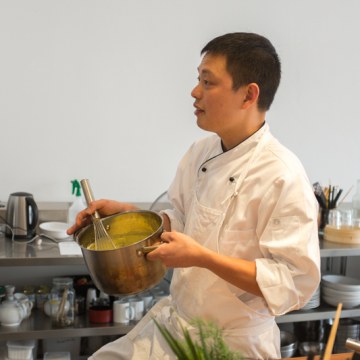
Cooking isn’t just about food—it’s about independence, creativity, and confidence. For NDIS participants, learning to cook can be life-changing. It’s a skill that opens doors to healthier living, self-reliance, and a sense of accomplishment.
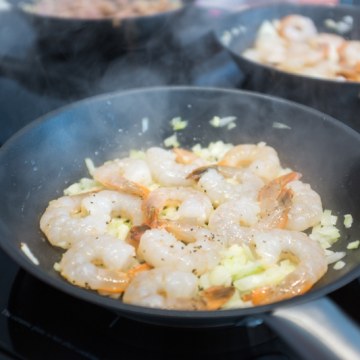
Cooking doesn’t need to be complicated. In fact, some of the simplest recipes are often the most rewarding—especially when they help you feel more independent in the kitchen.
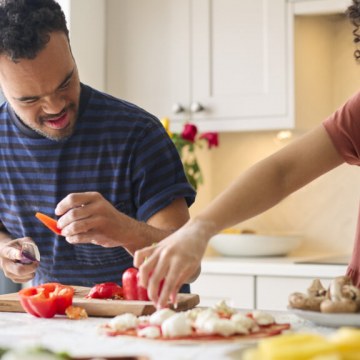
Cooking is so much more than putting food on a plate. It’s about making choices, creating something with your own hands, and enjoying the reward of a meal you prepared yourself. For many NDIS participants, learning to cook is an important step toward greater independence, confidence, and self-expression.