
Culinary Inspiration by Otao Kitchen
Cook . Connect. Celebrate
At Otao Kitchen, we believe cooking is one of the most powerful ways to connect—with yourself, your loved ones, and the world around you. It can put a smile on your face, bring family and friends together, and create memories that last a lifetime.
But cooking is more than just connection—what you choose to cook and eat impacts your health and the health of the planet. That’s why we’re passionate about making it as easy and enjoyable as possible for everyone to experience the joy of good, home-cooked food.
“Cook to Connect” is at the core of everything we do. Through our blog, food experiences, and global travel inspiration, we explore the deep relationships between cuisine, culture, and community. From vibrant street food across the globe to time-honoured family recipes passed through generations, we share with you the stories, flavours, and traditions that shape the way the world eats.
Here, you’ll find:
Practical cooking tips and techniques
Authentic global recipes
Cultural and culinary insights
Event planning advice
Kid-friendly cooking inspiration
Travel stories and destination food guides
Seasonal celebrations and global food festivals
Whether you're in your home kitchen or exploring a faraway land, we’re here to help you cook with purpose—and connect with the world through food.
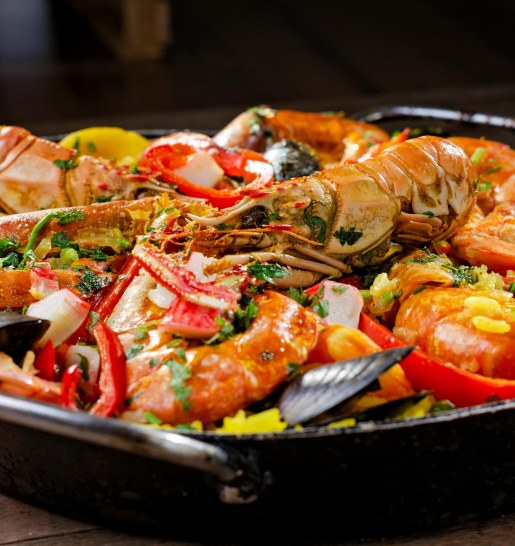

Shellfish Demystified: Mussels, Prawns, Squid and Octopus
A Culinary White Paper on Cleaning, Timing, Flavour Extraction and Confidence
Shellfish cookery is often viewed as difficult because it involves ingredients that behave very differently from fish, meat or vegetables. Mussels must be checked for freshness, prawns require peeling and deveining, squid can become tough when overcooked, and octopus needs gentle cooking before it becomes tender.
However, shellfish is not difficult when approached with the right framework. The key principles are freshness, safe handling, correct preparation, staged cooking and flavour extraction.
The Shellfish Demystified menu focuses on mussels, prawns, squid and octopus, with dishes including grilled squid with salsa romesco, thin-sliced octopus carpaccio, mussels escabeche, prawn bisque, linguine allo scoglio and cioppino. The menu is designed around both quick and slow techniques, inspired by Mediterranean and coastal cuisines.
This paper outlines the core principles behind confident shellfish cooking and explains why these ingredients reward precision, timing and restraint.
1. Introduction
Shellfish has a unique place in coastal cooking. It is fast, aromatic, economical and deeply flavourful. A small amount of mussel liquor can season an entire pasta dish. Prawn shells can become the foundation of a rich bisque. Squid needs only a minute or two over high heat to become tender. Octopus, when cooked slowly and chilled, can be sliced into elegant carpaccio.
The challenge is that shellfish offers very little margin for error. Overcooked prawns become firm and dry. Squid turns rubbery. Mussels must be fresh and alive before cooking. Octopus needs time, patience and gentle heat.
Shellfish mastery is therefore built on a simple idea: understand each ingredient before applying heat.
2. Freshness and Food Safety
Shellfish should smell clean, fresh and lightly briny. It should never smell sour, overly fishy or unpleasant. All seafood should be purchased from a trusted supplier and kept chilled until use. Raw seafood should be kept separate from cooked items, and clean boards, knives and hands are essential throughout preparation.
Mussels require particular attention. They should be alive before cooking. Any mussels with cracked shells should be discarded. Open mussels should close when tapped; if they do not, they should not be used. After cooking, mussels that remain closed should also be discarded.
For prawns, the key preparation step is peeling and deveining. However, the shells and heads should not be treated as waste. They contain sweetness, colour and depth, making them one of the most valuable flavour-building elements in shellfish cookery.
3. Mussels: Fast Cooking and Natural Liquor
Mussels are one of the most efficient shellfish to cook. Once cleaned and debearded, they need only a few minutes of steaming. Their shells open as they cook, releasing a naturally salty, briny liquor that can be used to flavour sauces, marinades, soups and pasta.
In mussels escabeche, the mussels are steamed first, then marinated in a warm mixture of olive oil, vinegar, garlic, herbs, paprika, lemon peel and reserved mussel cooking liquor. The result is bright, savoury and aromatic. The warm marinade lightly pickles the mussels while preserving their sweetness.
The technical lessons are clear:
- cook mussels only until they open
- strain and reuse the cooking liquor
- balance vinegar with oil, sweetness and shellfish juices
- avoid burning paprika, as it can become bitter
- serve warm, chilled or at room temperature
Mussels teach one of the most important lessons in shellfish cookery: the cooking liquid is often as valuable as the seafood itself.
4. Prawns: Flavour Extraction from Shells and Heads
Prawn bisque demonstrates the economy and intelligence of shellfish cookery. The flavour of a bisque does not come only from the prawn meat. It comes primarily from the shells and heads.
When prawn shells are cooked with butter or olive oil, crushed, and simmered with aromatics, tomato, wine and stock, they release sweetness, colour and seafood depth. This creates a rich soup from parts of the ingredient that are often discarded. The class notes emphasise that prawn shells and heads are the most important part of the bisque and that extra shells can be frozen and collected for a stronger result.
The bisque process follows a classic flavour-building sequence:
- Peel and devein the prawns.
- Reserve the prawn meat chilled.
- Cook and crush the shells and heads.
- Add aromatics such as onion, carrot, celery and garlic.
- Add tomato paste and cook it out.
- Deglaze with wine or brandy.
- Simmer with stock and herbs.
- Blend briefly and strain firmly.
- Add prawn meat only at the end.
- Finish with cream, butter and lemon if desired.
The final lesson is timing. Prawn meat cooks quickly and should be added near the end so it remains tender.
5. Squid: High Heat, Short Time
Squid is one of the clearest examples of timing in seafood cookery. It should be cooked either very quickly over high heat or slowly until tender. Anything in between can make it tough.
Grilled squid with salsa romesco demonstrates the fast-cooking approach. The squid is patted dry, lightly seasoned, then grilled over very high heat. The goal is a lightly charred exterior and tender interior.
The romesco sauce provides the Mediterranean flavour structure: roasted capsicum, tomato, almonds, garlic, breadcrumbs, vinegar, paprika and olive oil. It is smoky, nutty, acidic and rich enough to complement the quick-cooked squid without overpowering it.
The key technical principles are:
- dry the squid thoroughly before cooking
- use a very hot grill or pan
- cook briefly
- avoid crowding the pan
- serve immediately
- pair with bold but balanced sauces
Squid teaches confidence. Once the pan is hot, hesitation leads to overcooking.
6. Octopus: Slow Cooking, Cooling and Thin Slicing
Octopus requires the opposite approach to squid. Instead of fast heat, it benefits from slow, gentle cooking. The goal is to relax the flesh until tender, then chill it fully before slicing.
For octopus carpaccio, the octopus is simmered gently with aromatics such as onion, carrot, celery, bay leaf, lemon, peppercorns and wine. It is cooked until tender, cooled in its cooking liquid, then chilled before slicing very thinly.
This process teaches three important points:
- octopus should simmer gently, not boil hard
- cooling in the liquid helps keep it moist
- chilling makes thin slicing easier
Once sliced, octopus benefits from acidity, herbs and olive oil. A lemon-herb dressing or yuzu-style vinaigrette can lift the dish while preserving its delicate texture.
Octopus is often considered intimidating, but its method is straightforward: gentle heat, patience and sharp slicing.
7. Building Shellfish Dishes in Stages
Mixed shellfish dishes require sequencing. Mussels, prawns and squid do not cook at the same speed. A successful seafood pasta or stew depends on adding each ingredient at the right time.
In linguine allo scoglio, the mussels are cooked first with wine. Their liquor becomes part of the pasta sauce. The pasta is then finished in the seafood broth so it absorbs the briny flavour. Prawns, squid and tomatoes are added late so they remain tender and fresh.
Cioppino follows the same logic. The tomato, fennel, garlic, wine and stock broth is built first. Mussels are added before the prawns and squid. The stew is simmered gently after the seafood goes in, preserving tenderness.
The rule is simple:
- build the sauce or broth first
- add mussels early enough to open
- add prawns and squid late
- avoid hard boiling once seafood is added
- serve immediately
This staged approach prevents overcooking and allows each type of seafood to contribute flavour without losing texture.
8. Flavour Architecture: Mediterranean and Coastal Principles
Shellfish works especially well with Mediterranean and coastal flavour profiles because these cuisines understand the balance between richness, acidity, herbs and brine.
Common flavour foundations include:
- olive oil
- garlic
- white wine
- tomato
- fennel
- parsley
- lemon
- vinegar
- paprika
- chilli
- crusty bread
These ingredients do not hide the seafood. They amplify it.
In escabeche, vinegar and olive oil preserve and brighten. In bisque, shells and aromatics create depth. In romesco, nuts, capsicum and paprika add smoke and body. In linguine allo scoglio, pasta water and shellfish liquor create a glossy sauce. In cioppino, tomato and stock form a rich broth for mixed seafood.
The best shellfish dishes are bold but not heavy. They should taste fresh, briny, aromatic and balanced.
9. Practical Framework for Shellfish Mastery
A practical shellfish framework can be built around five core techniques:
- Inspection and cleaning — mussels, prawns, squid and octopus
- Quick cooking — grilled squid and steamed mussels
- Slow cooking — octopus for carpaccio
- Flavour extraction — prawn shells for bisque
- Staged cooking — pasta and seafood stew
Together, these methods give cooks the confidence to approach shellfish without fear. They also show that shellfish cookery is not about complexity. It is about timing, freshness and respect for each ingredient’s structure.
Conclusion
Shellfish becomes approachable when each ingredient is understood on its own terms.
Mussels need freshness, cleaning and quick steaming. Prawns reward cooks who use both meat and shells. Squid demands high heat and speed. Octopus requires gentle cooking and chilling. Mixed seafood dishes succeed when ingredients are added in stages.
The broader lesson is that shellfish cookery is a balance of restraint and bold flavour. With clean handling, careful timing and smart use of natural seafood juices, shellfish can become one of the most rewarding areas of coastal cooking.
Shellfish Demystified is ultimately a philosophy: remove the fear, understand the ingredient, and let the sea speak through simple, confident technique.
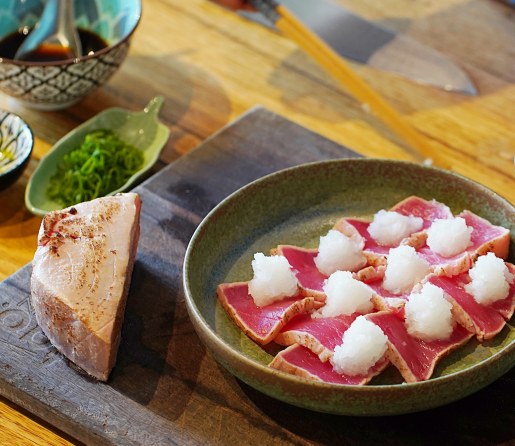
Fish Mastery: Learn the Art of Cooking Fish with French and Japanese Techniques
Fish Mastery: Learn the Art of Cooking Fish with French and Japanese Techniques
A Culinary White Paper on Precision, Restraint and Technique
Fish cookery is one of the most technically sensitive areas of the kitchen. Unlike meat, fish has a delicate muscle structure, low connective tissue and a short cooking window. Success depends less on heavy seasoning or complex preparation and more on freshness, temperature control, knife work, timing and balance.
French and Japanese culinary traditions offer two highly developed approaches to fish preparation. Japanese technique prioritises purity, precision, raw handling and restrained seasoning. French technique focuses on controlled heat, structured cooking methods and refined sauces. When combined, these traditions provide a strong foundation for mastering fish in both professional and home kitchens.
This blog explores the key principles behind fish mastery: ingredient selection, safe handling, raw preparation, searing, steaming, sauce making and whole fish cookery. It draws from the Fish Mastery menu framework, which includes tuna tataki, sushi and sashimi, fish tacos, snapper en papillote and salt-baked whole fish.
1. Introduction
Cooking fish well requires a shift in mindset. Fish should not be treated like beef, lamb or poultry. It cooks quickly, dries easily and is easily overwhelmed by excessive seasoning. The cook’s role is to protect the natural texture and flavour of the fish while applying just enough technique to enhance it.
Both French and Japanese cuisines share this respect for the ingredient. While their methods differ, their philosophy is similar: fish should remain the centre of the dish.
Japanese cookery often uses minimal intervention. A clean slice of sashimi, a balanced piece of sushi or a lightly seared tataki depends on freshness, knife skill and subtle seasoning.
French cookery often applies structure. Techniques such as en papillote, beurre blanc and salt-baking rely on heat management, moisture retention and sauce balance.
Together, these approaches create a complete technical framework for fish cookery.
2. The Importance of Freshness and Handling
Fish quality determines the final dish before cooking begins. Fresh fish should smell clean and mild, with firm flesh and a moist surface. A strong fishy or sour smell usually indicates poor quality or age.
For raw or lightly cooked preparations such as sashimi, sushi and tataki, the seafood must be suitable for raw consumption. It should remain chilled until the moment of preparation. Temperature control is essential because warmth can soften the flesh, release fat and affect texture.
Safe fish handling requires:
- clean knives and boards
- separation of raw and cooked ingredients
- chilled storage before use
- quick return of unused fish to refrigeration
- careful handwashing and bench sanitation
These practices are not only food safety requirements. They also preserve the quality of the fish.
3. Japanese Foundations: Precision and Restraint
Japanese fish preparation is built on precision. The knife is one of the most important tools in this tradition. A clean cut protects the texture of the fish and creates an elegant eating experience.
Sashimi and Sushi
Sashimi demonstrates the importance of knife control. The fish should be sliced in one smooth motion, not sawn back and forth. This keeps the surface clean and prevents tearing.
Sushi adds another layer of balance. The rice must be seasoned, warm but not hot, and handled gently. The fish should remain chilled, while the rice provides acidity, sweetness and structure.
The goal is harmony. Neither rice nor fish should dominate.
Tataki
Tataki is a useful bridge between raw and cooked fish. The outside is seared very briefly over high heat, while the centre remains raw or rare. The technique depends on three factors:
- very hot pan
- very short searing time
- rapid chilling after searing
This creates contrast between the lightly caramelised surface and the clean, fresh centre.
Seasonings such as ponzu, yuzu, daikon, tamari and spring onion add acidity, umami and freshness without masking the fish.
4. French Foundations: Controlled Heat and Sauce Balance
French fish cookery focuses on control. Heat is applied carefully, sauces are structured and seasoning is layered with intention.
En Papillote
En papillote means cooking in a paper parcel. Fish is placed with vegetables, aromatics, citrus and a small amount of wine or stock, then sealed and baked.
Inside the parcel, steam gently cooks the fish. This protects moisture and allows the aromatics to perfume the dish. It is an excellent method for delicate fillets such as snapper, barramundi or sea bream.
The key technical points are:
- thin, even vegetable cuts
- proper sealing of the parcel
- gentle oven heat
- avoiding overcooking
- opening the parcel close to serving
Beurre Blanc
Beurre blanc is a classic French butter sauce made by reducing wine and acid, then whisking in cold butter. It is rich, glossy and lightly acidic.
For fish, acidity is essential. Without it, butter sauces can feel heavy. Citrus such as lemon or yuzu helps lift the sauce and balance the richness.
The sauce should be warm and stable, not boiling. Excessive heat can cause it to split.
5. Whole Fish Cookery
Cooking whole fish is one of the best ways to understand the ingredient. A whole fish offers flavour from the bones, skin and cavity aromatics. It also encourages the cook to think about doneness more carefully.
Salt-baking is a particularly effective technique. A mixture of coarse salt and egg white forms a crust around the fish. As the fish bakes, the crust traps steam, keeping the flesh moist and gently seasoned.
The method is simple but dramatic:
- Fill the cavity with herbs, citrus and aromatics.
- Cover the fish completely with salt crust.
- Bake until cooked through.
- Rest before opening.
- Crack the crust and lift the fillets from the bone.
The finished fish should be moist, clean and lightly seasoned, not salty.
6. Understanding Doneness
Overcooking is the most common mistake in fish preparation. Fish continues to cook after it leaves the heat, so it should be removed just before it appears fully done.
A properly cooked fillet should be moist and tender. It may flake gently, but it should not be dry or chalky.
Different techniques require different doneness cues:
- Sashimi: clean, cold, raw texture
- Tataki: seared outside, rare centre
- Pan-seared fish: lightly browned surface, moist interior
- En papillote: gentle steam, tender flakes
- Salt-baked whole fish: moist flesh lifting cleanly from the bone
Mastery comes from observation: appearance, touch, aroma and timing.
7. Balance as a Culinary Principle
Fish requires balance more than intensity. Strong flavours can easily overwhelm it. The best fish dishes use acidity, salt, fat and aromatics with restraint.
Japanese examples include ponzu, yuzu, tamari, daikon and spring onion. These ingredients brighten and sharpen the fish.
French examples include beurre blanc, herbs, wine, lemon and delicate vegetable aromatics. These ingredients add richness and structure.
Even more casual preparations, such as fish tacos, follow the same principle. The fish is supported by acidity from lime, freshness from slaw and richness from crema.
The fish remains the hero.
8. Practical Framework for Fish Mastery
A strong foundation in fish cookery can be built around five core methods:
- Raw preparation — sashimi and sushi
- Light searing — tataki
- Quick pan cooking — tacos or simple fillets
- Gentle steaming — en papillote
- Whole fish baking — salt crust
Together, these methods teach the essential skills of fish handling, knife work, seasoning, heat control and doneness.
They also show that fish cookery does not need to be complicated. The techniques are precise, but the philosophy is simple: choose good fish, handle it carefully, cook it gently or quickly, and season it with balance.
Conclusion
Fish mastery is not defined by elaborate recipes. It is defined by judgement.
French and Japanese techniques provide two complementary pathways. Japanese cookery teaches clarity, restraint and precision. French cookery teaches structure, controlled heat and sauce craft. Together, they form a complete approach to cooking fish with confidence.
When handled well, fish needs very little. A sharp knife, clean seasoning, careful heat and respect for freshness are enough to create dishes that are elegant, balanced and deeply satisfying.
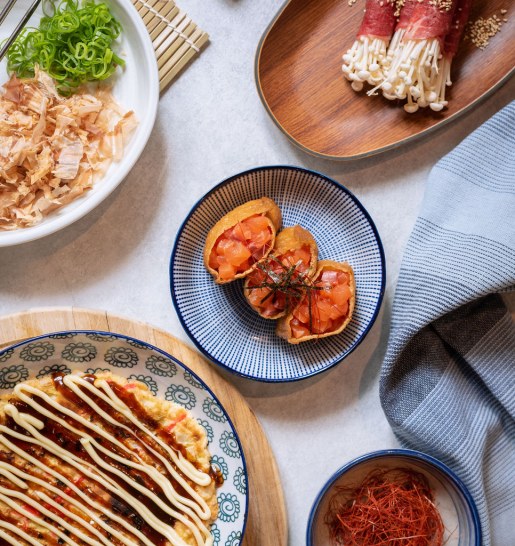
The Art of Japanese Cooking (Washoku): A Deep Dive into Tradition, Technique, and Taste
The Art of Japanese Cooking (Washoku): A Deep Dive into Tradition, Technique, and Taste
Japanese cuisine is often described as simple—but that simplicity is deceptive. Behind every bowl of rice, every slice of sashimi, and every perfectly balanced meal lies centuries of refinement, cultural philosophy, and technical precision.
Known as washoku, Japanese cooking is not just about food—it’s about harmony, seasonality, and respect for ingredients. Recognised by UNESCO as an Intangible Cultural Heritage, it continues to shape how the world understands flavour and balance.
What Makes Japanese Cuisine Unique?
At its core, Japanese cooking is about balance and intention.
Unlike many cuisines that build complexity through heavy seasoning, Japanese food focuses on enhancing natural flavours.
Key characteristics include:
- Minimal use of fats and oils
- Emphasis on fresh, seasonal ingredients
- Clean, well-defined flavours
- Thoughtful presentation and portioning
Meals are designed not just to taste good—but to feel balanced and complete.
The Foundation: One Soup, Three Sides
A traditional Japanese meal follows a structure known as ichijū-sansai (one soup, three sides).
This includes:
- Rice (gohan) – the central staple
- Soup – usually miso or a light broth
- Three side dishes (okazu):
- Protein (fish, tofu, or meat)
- Cooked vegetables
- Pickled or fresh elements
👉 Why this matters:
- Creates nutritional balance
- Offers variety in texture and flavour
- Keeps portions controlled and intentional
A Cuisine Shaped by History
Japanese cooking didn’t evolve overnight—it reflects centuries of cultural shifts.
Key influences:
- Buddhism:
- Limited meat consumption for over 1,000 years
- Encouraged plant-based and seafood diets
- Geography:
- Island nation → heavy reliance on seafood
- Abundance of seasonal produce
- Preservation techniques:
- Fermentation led to early forms of sushi
- Pickling became essential
- Western influence (Meiji era):
- Introduction of meat dishes
- Development of favourites like:
- Curry rice
- Tonkatsu
- Ramen
Seasonality: Eating with the Seasons
One of the most important concepts in Japanese cooking is “shun”—eating ingredients at their peak.
This means:
- Spring → light, fresh flavours (bamboo shoots, greens)
- Summer → cooling dishes (cold noodles, light broths)
- Autumn → rich, earthy ingredients (mushrooms, chestnuts)
- Winter → hearty, warming meals (hot pots, simmered dishes)
👉 The goal:
- Maximise flavour naturally
- Connect food to nature and time
Essential Ingredients in Japanese Cooking
Japanese cuisine relies on a small number of foundational ingredients used with precision.
Core staples
- Rice (short-grain, slightly sticky)
- Noodles:
- Soba (buckwheat)
- Udon (thick wheat noodles)
- Ramen (modern adaptation)
Flavour builders
- Dashi (stock made from seaweed and fish)
- Soy sauce
- Miso paste
- Mirin and sake
Supporting ingredients
- Seafood (fish, shellfish)
- Tofu and soy products
- Seaweed (nori, wakame)
- Pickles (tsukemono)
👉 The magic lies not in variety—but in how these ingredients are combined.
Mastering Japanese Cooking Techniques
Japanese cuisine uses a range of techniques—each chosen carefully based on the ingredient.
Key methods:
- Raw – sashimi (precision and knife skills)
- Grilled – yakimono (clean, smoky flavour)
- Simmered – nimono (gentle, flavour absorption)
- Steamed – mushimono (light and delicate)
- Deep-fried – tempura (light, crisp batter)
- Dressed/pickled – sunomono, aemono
👉 Important insight:
- Cooking method is chosen to respect the ingredient, not overpower it.
Presentation: Eating with Your Eyes First
Japanese food is as much visual as it is culinary.
Common principles:
- Each dish served separately
- Colours balanced across the meal
- Seasonal elements reflected in plating
- Natural garnishes like leaves or flowers
Even the table layout matters:
- Rice on the left
- Soup on the right
- Side dishes arranged carefully
Dining Culture and Etiquette
Japanese dining is deeply rooted in respect and ritual.
Before eating
- Say “Itadakimasu” (gratitude for the meal)
After eating
- Say “Gochisō-sama deshita” (thank you for the feast)
Other customs
- Chopsticks placement matters
- Individual portions are preferred
- Avoid mixing flavours on one plate
Japanese Cuisine Around the World
Today, Japanese food is global:
- Sushi is as common as sandwiches in many cities
- Ramen shops are booming worldwide
- Japanese techniques influence fine dining
Despite global adaptations, the core philosophy remains:
👉 balance, simplicity, and respect for ingredients
A Local Perspective: Bringing Japanese Cooking to Life
In modern culinary spaces, these traditional principles continue to be practiced and reinterpreted.
At Otao Kitchen, for example:
- Menus reflect balance and seasonality
- Dishes highlight stock-based flavour building and technique
- Cooking classes focus on:
- Knife skills
- Butchery and preparation
- Core cooking methods like roasting, braising, and sautéing
- Participants experience how traditional principles translate into real cooking
This kind of hands-on approach bridges the gap between theory and practice—making Japanese cuisine more accessible while preserving its essence.
Shopping for Japanese Cooking Ingredients in Melbourne
Getting started with Japanese cooking begins with one thing: buying the right ingredients. Because Japanese cuisine is simple and balanced, quality matters more than quantity.
Essential Ingredients to Start With
Focus on a small, core pantry:
- Sushi rice (short-grain)
- Soy sauce (naturally brewed)
- Miso paste (white or red)
- Dashi (stock base – kombu & bonito flakes)
- Mirin and rice vinegar
👉 With just these, you can already cook many classic dishes.
Where to Shop in Melbourne
Best Japanese Grocers
- Suzuran (Camberwell)
- Fuji Mart (South Yarra)
- Hinoki Pantry (Fitzroy)
Budget-Friendly Options
- KT Mart / H-Mart
Fresh Produce & Seafood
- Queen Victoria Market
- South Melbourne Market
💡 Ask for fresh or sashimi-grade fish when needed.
Quick Buying Tips
- Choose short-grain rice (not long-grain)
- Start with white miso (milder flavour)
- Pick simple, high-quality soy sauce
- Always prioritise fresh seafood and vegetables
Keep It Seasonal
Even in Melbourne, follow Japanese principles:
- Light dishes in summer
- Warm broths in winter
- Use what’s fresh and local
Final Thoughts
Japanese cooking teaches us that great food doesn’t need to be complicated.
Instead, it’s about:
- Respecting ingredients
- Understanding balance
- Cooking with intention
Whether in a traditional kitchen or a modern class setting, these principles remain timeless.
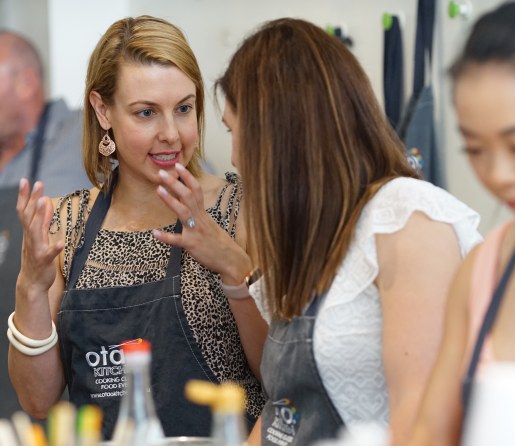
Find the Right Experience for your Next Team Building Event
How to Choose the Right Corporate Team Building Event in Melbourne for Your Team
Planning a corporate event isn’t just about booking a venue.
If you’re a business or corporate event planner, you’re likely balancing several priorities at once: finding something engaging, making sure it’s well organised and ensuring it actually delivers value for your team.
But not every team event has the same goal. Some teams want energy and competition. Others want connection, leadership development or a meaningful experience aligned with company values.
That’s where hands-on cooking experiences at Otao Kitchen come in!
Located in Abbotsford, just minutes from Melbourne’s CBD, Otao Kitchen has hosted corporate cooking events and team building experiences for over a decade. These chef-led sessions combine collaboration, creativity and shared dining to create memorable team moments.
Here’s an easy guide to choose the best experience for your team.
When your event requires ENERGY & INTERACTION, choose:
MasterChef Team Building Challenge
Sometimes the goal of a corporate event is simple: get people out of the office and interacting again. For those moments, an energetic, hands-on activity works best.
Inspired by the famous cooking competition, this experience places teams into small groups to cook under time pressure using a “mystery ingredient”.
People naturally step into roles (organisers, planners, cooks, presenters) which creates real collaboration rather than forced interaction.
The room quickly fills with energy, friendly competition and laughter.
Best suited for:
- Team building days
- Department offsites
- Company celebrations
- EOFY or End-of-year events
When the goal Is simply CONNECTION, choose:
The Culinary Connection Experience
Some corporate events don’t need competition or pressure. They just need a relaxed environment where people can spend time together outside their usual work roles.
This format focuses on cooking together rather than competing.
Guests prepare dishes with guidance from professional chefs before sitting down to enjoy the meal together.
The atmosphere is social, collaborative and easy-going - ideal when the objective is simply to bring the team together.
Best suited for:
- Staff socials
- Client entertainment
- Team appreciation events
When you want something FESTIVE for a COMPANY CELEBRATION, choose:
Work Christmas Party Cooking Experience
Corporate celebrations are most successful when people are doing something together rather than standing around.
Instead of the typical dinner reservation, teams cook festive dishes together before sharing a meal.
It adds interaction, laughter and shared moments to what would otherwise be a standard celebration.
Best suited for:
- Christmas parties
- End-of-year celebrations
- Company milestones
When your team is seeking to develop LEADERSHIP & STRATEGIC THINKING, choose:
The Ultimate Innovation Challenge
Not every corporate event is purely social. Some organisations use team experiences to strengthen leadership skills and strategic thinking.
This full-day experience blends cooking with business thinking. Teams develop a food concept, identify a target customer, manage budgets and pitch their final idea.
The result is part culinary challenge, part business simulation - encouraging creativity, communication and strategic thinking.
Best suited for:
- Executive teams
- Leadership groups
- Strategy offsites
When your organisation wants to prioritise PURPOSE & IMPACT, choose:
The Purpose Kitchen, Cooking for Community
Most companies nowadays want events that align with their broader values.
This experience allows teams to cook together while contributing meals through community programs supporting vulnerable groups in Melbourne.
The result is an event that feels meaningful, collaborative and socially impactful.
Best suited for:
- CSR initiatives
- Purpose-led organisation
- Culture-building events
When you're looking for a Melbourne PREMIUM FOOD EXPERIENCE for your team, choose:
From Melbourne Market to Kitchen Experience
Some corporate events are about showcasing Melbourne’s culture and food scene.
This experience begins with a guided market visit before returning to Otao Kitchen to cook together.
Participants explore local produce, meet traders and gain insight into Melbourne’s culinary culture.
Best suited for:
- Client entertainment
- Leadership retreats
- Interstate or international guests
When your Team needs FLEXIBILITY or have your Own Venue choose,
Pop-Up and Offsite Cooking Events
Not every group wants to come to our cooking studio. Some need the event delivered at their own venue, while others simply want access to a specific space.
Otao Kitchen can bring the cooking experience to your office, conference, festival, or chosen venue.
This gives companies more flexibility while still delivering an engaging chef-led activity.
Best for:
- Office events,
- Conferences,
- Festivals,
- Community programs,
- Remote teams
For brands, agencies, event planners, and businesses that want to run their own concept, Otao Kitchen also offers venue hire.
With commercial kitchen facilities, flexible layouts, and optional chef support, the space can be adapted for custom functions, activations, or food events.
Best for:
- Brand activations,
- Filming,
- Product launches,
- Private chef events,
- Custom corporate functions
Why Cooking works so well for Corporate Team Building?
Cooking creates a natural environment for collaboration. People communicate while preparing ingredients. They solve problems together, divide responsibilities and support one another to achieve a shared outcome.
By the time everyone sits down to eat, the team feels more connected because the experience has been active and shared.
That’s why hands-on cooking classes have become one of the most effective team building activities in Melbourne.
They’re engaging, collaborative and memorable.
In summary, here's your Quick Guide for choosing the Right Team Experience in Melbourne
Want high energy and fun? → MasterChef Team Challenge
Want relaxed connection? → Culinary Connection Experience
Planning a celebration? → Work Christmas Party Cooking Event
Need leadership development? → Ultimate Innovation Challenge
Looking for purpose-driven events? → The Purpose Kitchen
Hosting clients or visitors? → Market to Kitchen Experience
Planning a Corporate Event in Melbourne
If you’re responsible for organising corporate events, you know that the best experiences are the ones people talk about long after the event ends.
At Otao Kitchen, teams don’t just attend an event - they participate.
- They cook together.
- They collaborate.
- They share a meal.
And that shared experience often becomes the highlight of the year.
Explore corporate cooking experiences at Otao Kitchen or enquire about your next team event.
Why these Experiences work better than usual Conference & Meetings venues?
At Otao Kitchen, teams do more than attend an event. They participate.
People communicate while cooking. They solve problems in real time. They share roles, make decisions, and create something together. By the time they sit down to eat, the group feels more connected because the experience has been active, social, and genuine.
That is why cooking works so well for corporate events. It is not passive. It is not awkward. And it gives people a shared experience that feels both enjoyable and worthwhile.
The best corporate event is not always the biggest or most expensive one. It is the one that matches your team’s goals.
Some teams need energy. Some need reflection. Some need celebration. Some need a fresh way to think together.
Otao Kitchen offers a range of corporate cooking experiences in Melbourne to suit all of these outcomes — from fun team challenges to purpose-led programs and high-level innovation workshops.
If you are planning a corporate event in Melbourne and want something more engaging than the usual venue booking, Otao Kitchen offers experiences your team will actually remember.
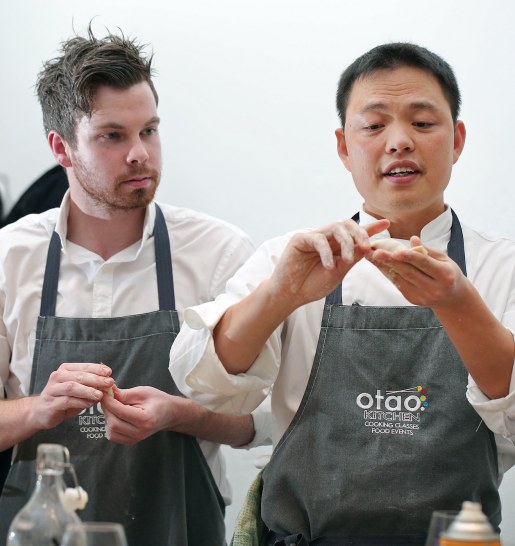
7 Expert Tips for Choosing Your Best Cooking Class in Melbourne
Melbourne is one of Australia’s most exciting food cities, known for its vibrant markets, multicultural cuisine and passionate chefs. It’s no surprise that cooking classes in Melbourne have become one of the most popular food experiences for locals, travellers, couples, and corporate groups.
But with so many cooking schools and culinary experiences available, how do you choose the right one?
Whether you’re looking to learn new skills, explore global cuisines or enjoy a unique social experience, here are 7 expert tips to consider when selecting the right cooking class in Melbourne.
1. Hands-On Cooking vs Demonstration Classes
Not all cooking classes are the same.
Some classes focus mainly on demonstrations, where participants watch the chef prepare dishes with limited participation.
Others offer a fully hands-on cooking experience, where you actively prepare the ingredients, cook the dishes and plate the final meal.
There are few that have a combination of demonstrations and a limited amount of cooking or putting together ingredients.
If your goal is to gain practical cooking skills and confidence in the kitchen, a hands-on cooking class is usually the most rewarding option.
Tip: Look for experiences where participants are encouraged to cook, taste and experiment throughout the session.
2. Learn From Experienced Chefs
The chef leading the class plays a major role in the quality of the experience.
A great cooking class chef instructor should combine:
- Professional culinary experience,
- Deep knowledge of the cuisine, and
- The ability to teach techniques clearly,
making the class engaging and accessible for participants of all backgrounds and skill levels.
Many of the best cooking classes are taught by chefs who have cultural connections to the cuisine they teach. This allows them to share authentic stories, ingredient knowledge and traditions that go far beyond a recipe.
Tip: A great cooking class should be led by a qualified chef instructor, not just a food enthusiast.
3. Class Size and Interaction
Class size can significantly influence your overall experience.
Smaller classes often provide more interaction with the chef, personalised guidance while cooking, and a relaxed social atmosphere.
Larger classes can still be enjoyable, particularly for team-building activities, but the structure should ensure that everyone remains involved and engaged.
Tip: When researching cooking classes in Melbourne, it’s always worth checking how many participants typically attend each session.
4. Learning Techniques, Not Just Recipes
Some classes focus on preparing one or two dishes.
The most valuable cooking classes also teach fundamental cooking techniques such as:
- Knife skills,
- Flavour balancing,
- Ingredient selection,
- Timing and preparation
Learning these techniques means you can recreate and adapt dishes confidently at home.
Tip: When evaluating a cooking class, ask yourself: "Will I be learning cooking techniques or just recipes?"
5. The Social Experience
Cooking classes are not only about learning. They are also about sharing food and enjoying the experience together.
Many classes finish with participants sitting down to enjoy the dishes they prepared together.
This shared dining experience makes cooking classes ideal for couples, friends, travellers, and corporate groups.
Tip: A great cooking class blends learning, collaboration and enjoyment.
6. Safety and Professional Standards
A professional cooking class should prioritise food safety, organisation and clear supervision.
Because classes involve shared kitchens, sharp tools and heat, it’s crucial that the venue follows recognised food safety and operational standards.
Reputable venues should also carry public liability insurance and have instructors with recognised food safety training or certifications.
Some cooking schools may also be connected with tourism or hospitality industry organisations, reflecting their commitment to maintaining professional standards.
Choosing a compliant and professionally run venue helps ensure a safe and enjoyable cooking experience.
Tip: Look for cooking schools that operate as a registered food business, comply with local health regulations and maintain clean, well-equipped kitchens.
7. Location and Atmosphere
The venue itself can also influence the overall experience.
Cooking classes located in vibrant food precincts or cultural neighbourhoods can offer a deeper connection to the cuisine.
Some experiences also incorporate:
- Market visits,
- Ingredient sourcing and supplier intros,
- Cultural storytelling.
These elements help turn a simple cooking class into a memorable culinary experience.
Tip: Check where the cooking class is held. It is a at a purpose-built, safe venue or at someone's living room?
Finding the Right Cooking Class in Melbourne
Melbourne offers an incredible variety of cooking classes and culinary experiences.
When choosing a cooking class in Melbourne, look beyond the menu. Think about the format, the instructor, the class size, the depth of learning and the overall atmosphere.
The most rewarding classes usually combine:
-
hands-on participation
-
experienced and qualified instruction
-
cultural knowledge
-
useful techniques
-
a warm, social and safe dining experience
Whether you are a local looking to sharpen your kitchen skills or a visitor wanting a memorable food experience, Melbourne offers cooking classes for every kind of cook.
If you choose well, you will leave with more than recipes. You will leave with confidence, inspiration and an experience worth talking about.
About Otao Kitchen
Otao Kitchen is one of Melbourne’s well-known cooking schools, located in Abbotsford just 3.5 km from the CBD. Established in 2014, it operates from a purpose-built cooking school with two commercial teaching kitchens designed for hands-on learning.
The school specialises in multicultural cuisines, offering classes such as Thai, Vietnamese, Japanese, Italian pasta making, and dumplings. Classes are led by professional chef instructors and focus on practical skills, authentic recipes, and shared dining experiences.
With over 300 5-star Google reviews and strong ratings, Otao Kitchen has become a popular destination for locals, tourists, and corporate team-building events looking for an engaging cooking experience in Melbourne. We deliver most of the cooking classes in Melbourne with 500+ cooking classes per year with over 8,000 happy customers.
Cooking Masterclasses Overview
Australian
Cooking with Australian Ingredients Masterclass
North Asia
Dumplings Party | Chinese Cooking Masterclass | Japanese Cooking Masterclass | Korean Cooking Masterclass
South & South East Asia
Thai Cooking Masterclass | Vietnamese Cooking Masterclass | Street Food of Asia | Malaysian Cooking Masterclass | Mooncake Making Class | Indian Cooking Masterclass
Europe
Pizza Making Party | Italian Cooking Masterclass | Spanish Cooking Masterclass | Greek Cooking Masterclass
Middle East
Middle Eastern Lebanese Cooking Masterclass
Latin America
Mexican Cooking Masterclass | Flavors of Latin America Masterclass | Latin Desserts Masterclass
The Confident Home Chef Program
Poultry Essentials | Beef and Lamb Essentials | Seafood Mastery | Pork and Game Essentials | Vegetables & Plant-Based Mastery | Pastry and Dessert Specialties | Artisan Handcrafted Skills: Pasta, Noodles & Dumplings Mastery | Sauces, Fermentation & Pickling Specialties | Bakery Specialties | Knife Skills' Masterclass
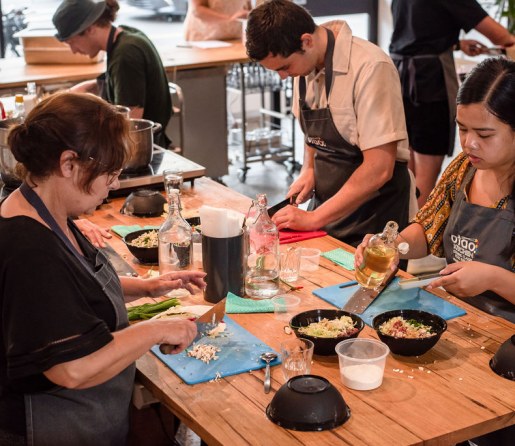
Corporate Events in Melbourne: Choose the Right Otao Kitchen Experience for Your Team in 2026
Corporate Events in Melbourne: Choose the Right Otao Kitchen Experience for Your Team
Not every corporate event has the same goal.
Some teams want a relaxed social experience. Some want high-energy competition. Some want stronger leadership outcomes. Others want a meaningful event that reflects company values.
That is why Otao Kitchen offers a range of corporate cooking experiences in Melbourne — each designed for a different type of team, occasion, and outcome.
Located in Abbotsford, just minutes from Melbourne CBD, Otao Kitchen is a purpose-built cooking school with professional teaching kitchens, chef-led facilitation, and flexible formats for groups of different sizes.
Here is how to choose the right experience for your team.
For Teams That Want Fun, Energy and Connection
These experiences are best for teams who want to relax, laugh, and enjoy time together in a more social setting.
MasterChef Team Building Challenge
This is one of Otao Kitchen’s most popular corporate events because it combines hands-on cooking, friendly competition, and team interaction.
The experience starts with a social cooking warm-up, then moves into a timed team challenge where groups create dishes using pantry ingredients and a surprise magic ingredient. It is lively, interactive, and ideal for building connection in a natural way.
Best for:
team building, company celebrations, offsites, mixed teams, end-of-year events
The Culinary Connection Experience
This format is less competitive and more relaxed. Guests cook together, learn from professional chefs, and then sit down to enjoy the meal.
It works especially well when the goal is simply to bring people together without too much pressure.
Best for:
staff socials, client entertainment, team bonding, easy-to-plan events
Work Christmas Party
For companies wanting something more memorable than dinner and drinks, the Christmas party format adds cooking, connection, and celebration in one event.
It is festive, interactive, and gives teams something to do together rather than just stand around.
Best for:
Christmas parties, end-of-year functions, festive team celebrations
For Teams That Want Strategy, Leadership and Real Development
These experiences are designed for companies that want more than entertainment. They are best suited to teams looking for leadership growth, decision-making, and business thinking.
The Ultimate Innovation Challenge
This is Otao Kitchen’s most advanced corporate experience.
Teams do not just cook. They build a food concept, define a customer, create a value proposition, calculate costs, manage budgets, execute the product, and pitch the idea.
It is part culinary challenge, part business simulation, and it develops strategic thinking, leadership, communication, and commercial awareness.
Best for:
executive teams, leadership groups, strategy offsites, innovation workshops, capability development
For Teams That Want Purpose and Social Impact
Some organisations want team building that also aligns with their values.
The Purpose Kitchen – Cooking for Community
This experience combines chef-led team cooking with optional meal donation through BANH Inc., supporting vulnerable communities in North Richmond and Collingwood.
Teams cook together, share a meal, and have the opportunity to contribute to a broader community outcome. It is warm, meaningful, and highly engaging.
Best for:
CSR events, purpose-led organisations, culture building, values-based team events
For Teams That Want a Premium Melbourne Food Experience
These experiences are perfect for teams or clients who want something more curated, local, and memorable.
From Melbourne Market to Kitchen
This experience begins with a guided market visit, where guests explore Melbourne’s food culture, meet traders, and select ingredients before returning to Otao Kitchen for a hands-on cooking session.
It feels more elevated than a standard cooking class and offers a strong sense of place.
Best for:
client entertainment, leadership retreats, interstate guests, international visitors, foodie teams
For Teams That Need Flexibility or Their Own Venue
Not every group wants to come to the studio. Some need the event delivered at their own venue, while others simply want access to a professional culinary space.
Pop-Up and Offsite Cooking Events
Otao Kitchen can bring the cooking experience to your office, conference, festival, or chosen venue.
This gives companies more flexibility while still delivering an engaging chef-led activity.
Best for:
office events, conferences, festivals, community programs, remote teams
Melbourne Kitchen Venue Hire
For brands, agencies, event planners, and businesses that want to run their own concept, Otao Kitchen also offers venue hire.
With commercial kitchen facilities, flexible layouts, and optional chef support, the space can be adapted for custom functions, activations, or food events.
Best for:
brand activations, filming, product launches, private chef events, custom corporate functions
Which Otao Kitchen Experience Should You Choose?
Experience | Best For | Duration | Group Size | Energy Level | Main Outcome | Price Guide |
MasterChef Team Building Challenge | Fun team building & celebrations | ~3 hrs | 10–60 | High | Friendly competition, teamwork, creativity | From ~$245 pp |
Corporate Cooking Party | Social team events & client hosting | 2–3 hrs | 10–70+ | Medium | Relaxed cooking, networking, shared meal | From ~$159–207 pp |
Work Christmas Party | End-of-year celebrations | 2–3 hrs | 10–70+ | Medium–High | Festive team bonding & shared dining | From ~$207 pp |
Purpose Kitchen – Cooking for Community | CSR & purpose-driven teams | ~3 hrs | 10–40 | Medium | Community impact, collaboration | From ~$207 pp |
Ultimate Innovation Challenge | Leadership & strategy teams | 6–8 hrs | 10–40 | High | Innovation, strategy, leadership development | From ~$495 pp |
Market to Kitchen Experience | Premium foodie experiences | ~5 hrs | 10–30 | Medium | Market tour + cooking experience | From ~$395 pp |
Pop-Up Cooking Event | Office events & festivals | ~2–3 hrs | Flexible | Medium | Cooking experience at your venue | Custom pricing |
Kitchen Venue Hire | Custom events & activations | 4–8 hrs | Flexible | Custom | Private kitchen event space | From ~$1,325 |
Why This Works Better Than a Standard Corporate Venue
At Otao Kitchen, teams do more than attend an event. They participate.
People communicate while cooking. They solve problems in real time. They share roles, make decisions, and create something together. By the time they sit down to eat, the group feels more connected because the experience has been active, social, and genuine.
That is why cooking works so well for corporate events. It is not passive. It is not awkward. And it gives people a shared experience that feels both enjoyable and worthwhile.
Final Thoughts
The best corporate event is not always the biggest or most expensive one. It is the one that matches your team’s goals.
Some teams need energy. Some need reflection. Some need celebration. Some need a fresh way to think together.
Otao Kitchen offers a range of corporate cooking experiences in Melbourne to suit all of these outcomes — from fun team challenges to purpose-led programs and high-level innovation workshops.
If you are planning a corporate event in Melbourne and want something more engaging than the usual venue booking, Otao Kitchen offers experiences your team will actually remember.
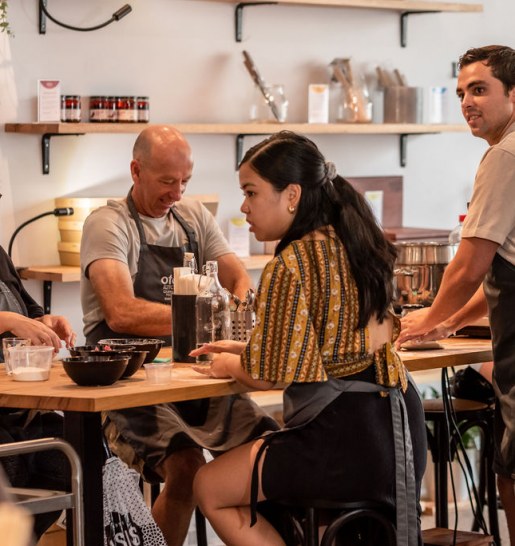
How to Choose the Right Cooking Class in Melbourne?
A Guide to Learning, Eating and Enjoying the Experience
Melbourne is one of Australia’s great food cities. From neighbourhood cafés and bustling markets to global cuisines from every corner of the world, food is part of the city’s identity.
For many locals and visitors, enjoying Melbourne’s food scene does not stop at restaurants. More people are looking for hands-on experiences that let them learn, cook, share a meal, and take away practical skills they can use again at home.
That is why cooking classes in Melbourne have become such a popular activity for couples, friends, families, tourists, and corporate groups.
But with so many options available, how do you choose the right class?
This guide will help you understand what to look for in a cooking class, what type of experience may suit you best, and how to find a class that offers more than just a recipe.
Why Take a Cooking Class in Melbourne?
Cooking classes offer something that dining out cannot. They are interactive, social, and memorable.
A good class can help you:
-
learn practical cooking skills you can use at home
-
build confidence in the kitchen
-
explore new cuisines and ingredients
-
enjoy a shared experience with friends, family, or colleagues
-
discover the cultural stories behind dishes
-
sit down and enjoy the food you have made together
For visitors to Melbourne, a cooking class can also be a meaningful way to experience the city’s multicultural food culture beyond restaurants and cafés.
Comparison Table: Top Cooking Class in Melbourne
Below is a comparison of some well-known cooking schools in Melbourne.
Cooking Classes | Location | Distance from CBD | Cuisine Focus | Founded | Google Reviews | Capacity |
Otao Kitchen | Abbotsford | 3.5 km | Multicultural cuisines | 2014 | 300+ | 10–80 |
Savour Chocolate & Patisserie | Brunswick | 7 km | Pastry & desserts | 2002 | 250–400 | 10–20 |
CAE (Centre for Adult Education) | Box Hill | 14 km | Multicultural | 1947 | 200–300 | 10–20 |
Relish Mama | Cheltenham | 18 km | Italian & Spanish | 2009 | 250–350 | 10–18 |
GK Tapas Bar & Restaurant | Moonee Ponds | 7 km | Spanish tapas | 2013 | 400–700 | 8–20 |
Yes Chef Cooking School | Carlton | 2 km | Western cuisine | 2012 | 70–100 | 4–12 |
Cooking With Lola | CBD | 1 km | Spanish | 2015 | 40–80 | 4–10 |
Cooking On The Bay | Bayside | 16 km | French | 2010 | 80–120 | 4–12 |
Spice Bazaar | Seddon | 7 km | Middle Eastern | 2014 | 50–90 | 6–12 |
Heavenly Morsel | Bentleigh East | 22 km | Indian | 2014 | 100–200 | 4–10 |
Brunswick Kitchen | Brunswick | 6 km | Vietnamese / Asian | 2018 | 30–60 | 6–12 |
Trupp The Chef Table | South Yarra | 4 km | French | 2016 | 30–60 | 6–14 |
What Type of Cooking Class Suits You?
Not all cooking classes are the same. Some are highly interactive, while others focus more on watching, tasting, and listening. Understanding the format is the first step in choosing the right experience.
Hands-On Cooking Classes
Hands-on classes are ideal for people who want to actively cook, learn techniques, and build confidence.
In this type of class, participants usually prepare dishes themselves, often working in pairs or small groups with guidance from the chef. This format is especially valuable if your goal is to improve your skills rather than simply enjoy a demonstration.
Hands-on classes are often best for:
-
beginners who want practical guidance
-
home cooks wanting to improve technique
-
couples or friends looking for an interactive experience
-
team-building groups who want to cook together
Demonstration-Style Classes
Demonstration classes focus more on observing a chef prepare dishes while explaining ingredients, methods, and ideas.
These classes can be enjoyable if you want inspiration, food knowledge, or a relaxed culinary event without doing all the cooking yourself. They may also suit people who are more interested in tasting and conversation than active participation.
They are often best for:
-
food lovers who enjoy watching expert chefs
-
guests looking for a more relaxed pace
-
people interested in ideas and inspiration rather than skill-building
Social Dining Experiences with Cooking Elements
Some classes combine cooking with socialising and shared dining. These experiences are popular for date nights, celebrations, and group events because they balance learning with enjoyment.
If your main goal is to have fun, meet people, and enjoy a memorable meal, this style of class can be a great option.
Why the Instructor Matters
One of the biggest differences between cooking classes is the quality of the teaching.
A skilled chef instructor does more than guide people through a recipe. They explain the “why” behind the cooking, help troubleshoot mistakes, and show techniques that participants can apply beyond that one class.
A strong instructor often brings:
-
real culinary experience
-
confidence in teaching different skill levels
-
deep knowledge of ingredients and techniques
-
the ability to explain cultural context and food traditions
-
practical tips that make home cooking easier
This is particularly important in multicultural cooking classes. Learning how to prepare a dish is useful, but understanding its background, flavour balance, regional influences, and traditional methods makes the experience much richer.
Cultural Knowledge Makes the Experience Better
Melbourne’s food culture is shaped by many communities and traditions, and this is reflected in the cooking classes available across the city.
A meaningful class should not only show you what to cook, but also help you understand where a dish comes from and why it is prepared in a certain way.
Whether it is handmade pasta, Thai street food, dumplings, curry pastes, or Spanish tapas, cultural context adds depth to the experience. It can turn a simple lesson into something more memorable, educational, and authentic.
For many people, this is one of the most rewarding parts of joining a cooking class.
Class Size and Level of Interaction
Class size has a major impact on the experience.
Smaller classes often allow for more one-on-one attention, easier conversation, and closer guidance from the chef. Larger classes can create a lively atmosphere, but they may offer less personal interaction depending on how they are structured.
When choosing a class, it is worth considering:
-
how many participants will attend
-
whether you cook individually, in pairs, or in groups
-
how much direct support the instructor provides
-
whether the kitchen space is designed for teaching
A well-run class should still feel personal, even in a group setting. Participants should have enough opportunity to ask questions, get involved, and practise the techniques being taught.
Does the Class Teach Techniques or Just Recipes?
This is one of the most important questions to ask.
Some classes focus mainly on following a recipe step by step. That can still be fun, especially for a social occasion, but the learning may end there.
Other classes teach broader cooking techniques that can be used again and again at home. These classes tend to offer more long-term value because they help participants become better cooks, not just complete one dish.
Look for classes that teach skills such as:
-
knife handling and preparation
-
balancing flavours
-
heat control and timing
-
seasoning correctly
-
working with herbs, spices, sauces, and aromatics
-
adapting techniques across different dishes
A technique-focused class often leaves participants with greater confidence and a better understanding of cooking as a whole.
The Best Cooking Classes Offer More Than Food
A memorable cooking class is about more than what ends up on the plate.
The overall experience matters just as much as the menu. Many people choose cooking classes because they want a combination of learning, connection, and enjoyment.
A great class often includes:
-
a warm and welcoming atmosphere
-
opportunities to cook and interact
-
time to sit down and enjoy the meal
-
a sense of shared experience
-
recipes or take-home notes to continue learning later
For couples, it can be a unique date activity. For travellers, it can be a cultural experience. For friends and families, it can be a fun and meaningful way to spend time together. For workplaces, it can be an engaging team-building event.
What to Look For Before Booking
Before choosing a cooking class in Melbourne, it helps to consider a few practical points.
1. Is it hands-on?
If you want to improve your cooking, make sure the class gives you real involvement in preparing the dishes.
2. Who is teaching it?
Look for instructors with professional experience and strong teaching ability.
3. How big is the class?
Check whether the group size will allow enough interaction and support.
4. What will you actually learn?
Choose a class that teaches useful techniques, not just a fixed recipe.
5. What is included?
Some classes include ingredients, aprons, recipe packs, and a sit-down meal afterward.
6. Can dietary needs be accommodated?
This is especially important for group bookings and mixed households.
7. What kind of atmosphere are you looking for?
Some people want a serious skills-based class. Others want a relaxed and social experience. The best choice depends on your goal.
Who Cooking Classes Are Great For
Cooking classes in Melbourne can suit a wide range of people.
They are especially popular with:
-
couples looking for a unique date activity
-
friends wanting to do something interactive together
-
families sharing a food experience
-
tourists wanting to experience Melbourne through food
-
home cooks building confidence
-
corporate teams seeking a social and collaborative activity
The flexibility of cooking classes is part of their appeal. Some people join to learn. Others join to celebrate. The best classes manage to do both.
Why Melbourne Is Ideal for Cooking Experiences
Melbourne is especially well suited to cooking classes because of its diversity. The city’s food culture is influenced by Italian, Greek, Vietnamese, Thai, Chinese, Indian, Spanish, Middle Eastern, Japanese, and many other culinary traditions.
That means participants can explore a wide variety of cuisines and techniques in one city, whether they are interested in pasta making, dumplings, curries, street food, pastries, or modern fusion cooking.
It also means a cooking class here can feel like more than a lesson. It can be a way to better understand the flavours and communities that shape Melbourne itself.
Final Thoughts
The right cooking class can give you much more than a meal.
It can teach you practical skills, deepen your understanding of food, introduce you to new cultures, and create a genuinely enjoyable experience to share with others.
When choosing a cooking class in Melbourne, look beyond the menu. Think about the format, the instructor, the class size, the depth of learning, and the overall atmosphere.
The most rewarding classes usually combine:
-
hands-on participation
-
experienced teaching
-
cultural knowledge
-
useful techniques
-
a warm, social dining experience
Whether you are a local looking to sharpen your kitchen skills or a visitor wanting a memorable food experience, Melbourne offers cooking classes for every kind of cook.
If you choose well, you will leave with more than recipes. You will leave with confidence, inspiration, and an experience worth talking about.
Otao Kitchen
Otao Kitchen is one of Melbourne’s well-known cooking schools, located in Abbotsford just 3.5 km from the CBD. Established in 2014, it operates from a purpose-built cooking school with two commercial teaching kitchens designed for hands-on learning.
The school specialises in multicultural cuisines, offering classes such as Thai, Vietnamese, Japanese, Italian pasta making, and dumplings. Classes are led by professional chef instructors and focus on practical skills, authentic recipes, and shared dining experiences.
With 300+ Google reviews and strong ratings, Otao Kitchen has become a popular destination for locals, tourists, and corporate team-building events looking for an engaging cooking experience in Melbourne. We deliver most of the cooking classes in Melbourne with 500+ cooking classes per year with over 8,000 happy customers.
Australian Cooking with Australian Ingredients Masterclass
North Asia Dumplings Party | Chinese Cooking Masterclass | Japanese Cooking Masterclass | Korean Cooking Masterclass
Southeast Asia Thai Cooking Masterclass | Vietnamese Cooking Masterclass | Street Food of Asia | Malaysian Cooking Masterclass | Mooncake Making Class South Asia Indian Cooking Masterclass
Europe Pizza Making Party | Italian Cooking Masterclass | Spanish Cooking Masterclass | Greek Cooking Masterclass
Middle East Middle Eastern Lebanese Cooking Masterclass
Latin America Mexican Cooking Masterclass | Flavors of Latin America Masterclass | Latin Desserts Masterclass
The Confident Home Chef Program Poultry Essentials | Beef and Lamb Essentials | Seafood Mastery | Pork and Game Essentials | Vegetables & Plant-Based Mastery | Pastry and Dessert Specialties | Artisan Handcrafted Skills: Pasta, Noodles & Dumplings Mastery | Sauces, Fermentation & Pickling Specialties | Bakery Specialties | Knife Skills' Masterclass
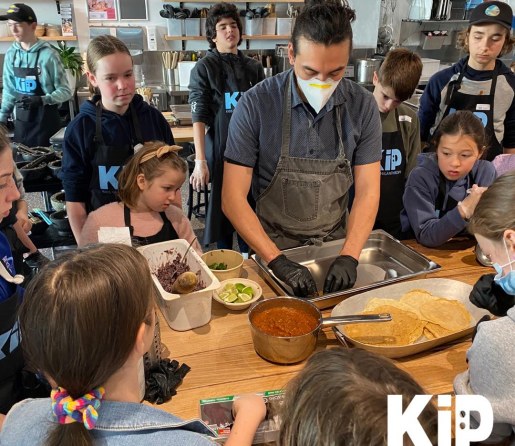
Bringing Communities Together This Harmony Day With Foods
Bringing Communities Together This Harmony Day
Harmony Day is a celebration of who we are as a community — diverse, connected, and stronger together. It’s a chance to recognise the many cultures that shape our everyday lives and to create moments where everyone feels welcome and valued.
For schools, clubs, and community groups, Harmony Day also presents a wonderful opportunity: to combine celebration with purpose. By weaving fundraising into the day’s activities, you can support a cause while creating joyful, inclusive experiences that bring people together.
Here are some creative and flexible ways to mark Harmony Day — whether you’re planning a small gathering or a large community event.
Taste the World: A Shared Food Experience
Across cultures, food is a language of connection. Hosting a shared food event is one of the most engaging ways to celebrate cultural diversity.
Invite families and community members to contribute dishes that reflect their heritage. Your event can be a relaxed shared meal, or you can turn it into a fundraiser by selling tasting portions, plates, or meal vouchers.
Global Flavours to Inspire Your Menu
From Europe
– Italian favourites like baked pasta dishes and tiramisu
– French pastries, savoury quiche, and delicate macarons
– Greek spinach and feta pastries or grilled souvlaki
– German sausages served with pretzels and mustard
From the Americas
– Mexican tacos, churros, and flavoured fruit drinks
– Brazilian cheese bread and chocolate truffles
– Canadian poutine or classic butter tarts
– American apple pie and pancakes with maple syrup
From Africa
– Ethiopian injera with lentils and vegetables
– Moroccan couscous and slow-cooked tagines
– South African bobotie and syrup-soaked koeksisters
– Nigerian jollof rice, full of spice and colour
From Asia
– Chinese dumplings, spring rolls, and bubble tea
– Indian samosas, creamy curries, and mango lassi
– Japanese sushi, skewers, and soft mochi treats
– Vietnamese bánh mì rolls and warming pho
From Oceania
– Australian classics like lamingtons and ANZAC biscuits
– New Zealand pavlova and hokey pokey ice cream
– Papua New Guinea–inspired mumu-style roasted dishes
To deepen the experience, encourage participants to share the story behind their dish, bring a written recipe, or wear traditional clothing.
Activities That Celebrate Culture (and Can Raise Funds)
Food doesn’t have to stand alone. Pair it with activities that spark curiosity, creativity, and connection.
🎨 Cultural Art Showcase
Have children or community members create artworks inspired by cultures around the world. Display them as an exhibition, or host a silent auction to raise funds.
🧡 Wear Orange Day
Orange symbolises inclusion on Harmony Day. Sell orange-themed accessories such as ribbons, wristbands, or hair ties to raise money and create a strong visual statement.
🎶 Global Beats Dance Party
Run a school or community disco featuring music from different countries. Ask for a small entry donation, sell snacks, and encourage cultural dress.
🎲 World Games Stations
Set up rotating activity stations with traditional games from different cultures — such as bocce, sepak takraw, or cornhole. Use gold-coin donations or team challenges as a fundraiser.
📖 Stories That Connect Us
Invite parents, elders, or community members to share folktales or personal migration journeys. Raise funds through the sale of bookmarks, tea, or simple snacks.
A Day That Reflects Belonging
At its heart, Harmony Day is about recognising that everyone belongs. When people come together to share food, stories, laughter, and experiences, understanding grows naturally.
With thoughtful planning and a creative approach, your Harmony Day celebration can strengthen community bonds — and make a positive impact through fundraising at the same time.
Celebrate culture. Celebrate connection. Celebrate together.
.jpeg)
7 Secrets to Making Perfect Bakery-Style Chunky Cookies
Chunky cookies with crisp edges and soft centres have a special appeal. Re-creating that bakery texture at home calls for careful attention to technique rather than complicated tricks. Ingredient choices, mixing habits, and temperature control all shape how a cookie looks and tastes. The following seven sections outline practical ways to produce generous cookies with consistent results.
.
You may also want to try

Quick & Tasty Cooking Class
1.5 Hours
$117
Knife Skills' Masterclass
2.5 Hours
$245
Heritage & Spice: Nyonya Cooking with Diana Chan
2.5 Hours
$295
Food & Enterprise Learning
3 Hours
$950
Corporate Cooking Events
3 Hours
$207
Cooking Class for a Great Cause
2 Hours
$103
Community Venue Hire Free
4 Hours
$950
Asian Street Food Cooking Masterclass
3 Hours
$207
Knife Skills' Masterclass
3 hours
$245