

Culinary Inspiration by Otao Kitchen
Cook . Connect. Celebrate
At Otao Kitchen, we believe cooking is one of the most powerful ways to connect—with yourself, your loved ones, and the world around you. It can put a smile on your face, bring family and friends together, and create memories that last a lifetime.
But cooking is more than just connection—what you choose to cook and eat impacts your health and the health of the planet. That’s why we’re passionate about making it as easy and enjoyable as possible for everyone to experience the joy of good, home-cooked food.
“Cook to Connect” is at the core of everything we do. Through our blog, food experiences, and global travel inspiration, we explore the deep relationships between cuisine, culture, and community. From vibrant street food across the globe to time-honoured family recipes passed through generations, we share with you the stories, flavours, and traditions that shape the way the world eats.
Here, you’ll find:
Practical cooking tips and techniques
Authentic global recipes
Cultural and culinary insights
Event planning advice
Kid-friendly cooking inspiration
Travel stories and destination food guides
Seasonal celebrations and global food festivals
Whether you're in your home kitchen or exploring a faraway land, we’re here to help you cook with purpose—and connect with the world through food.


Stir-Frying at Home: Your Ultimate Guide to Fast, Flavourful Meals
Stir-frying is one of the quickest and most satisfying ways to prepare a delicious, healthy meal. Originating in China over 1,500 years ago, this versatile cooking method has become a staple in home kitchens around the world. At its core, stir-frying is all about cooking bite-sized ingredients in a small amount of very hot oil while stirring constantly.
Whether you’re preparing a midweek dinner, using up leftover vegetables, or cooking for a crowd, stir-frying is a technique worth mastering. And the good news? You don’t need a commercial kitchen to get great results at home.
Why Stir-Fry? The Benefits
-
Fast: Most dishes take under 15 minutes once prep is done.
-
Healthy: Minimal oil, short cook times, and loads of vegetables.
-
Flexible: Great for using whatever you have in your fridge.
-
Flavourful: High heat seals in the juices and boosts umami-rich browning.
Chinese Pantry Essentials: What You Need to Cook Authentic Chinese Food at Home
Chinese Pantry Essentials: What You Need to Cook Authentic Chinese Food at Home
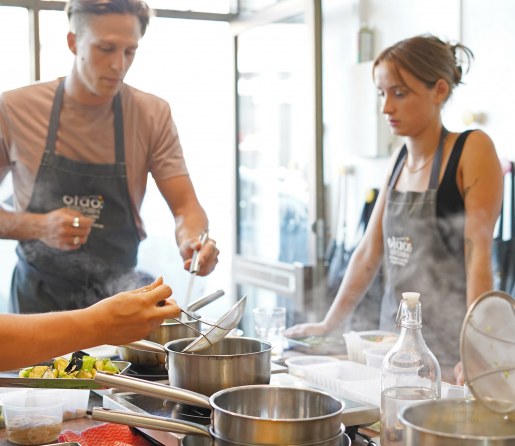
Stocking your pantry with the right ingredients is the first step to unlocking the bold flavours of Chinese cuisine. Whether you’re diving into stir fries, soups, dumplings, or braised dishes, having the right pantry staples makes all the difference.
At Otao Kitchen, we teach thousands of people each year how to cook authentic Chinese dishes. Here’s a breakdown of the essential ingredients we recommend to start your Chinese cooking journey at home.
The Food Of China - A Regional Journey Through Chinese Food Culture
A Regional Journey Through Chinese Food Culture
China’s Four Great Regional Cuisines
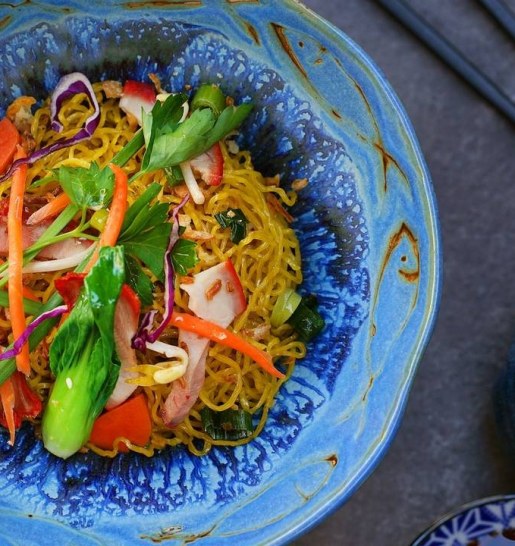
China's food culture is famously diverse, with four primary regional styles — Chuan (Sichuan), Lu (Shandong), Yue (Cantonese), and Huaiyang (Jiangsu) — representing the west, north, south and east of the country. These cuisines differ in flavour, technique, and ingredients, but all honour the traditional Chinese emphasis on colour, aroma, and taste.
China has 4 main regional food groups: Chuan, Lu, Yue and Huaiyang, representing west, north, south and east Chinese cuisines. Colour, smell and taste are the three traditional aspects used to describe Chinese food. In another way, Chinese chefs classify eight regional Chinese cuisines according to their distinct tastes and local specialties. Perhaps the best known and most influential cuisines of China are Cantonese, Shandong, Jiangsu and Sichuan. Many traditional regional foods also feature basic methods of preservation such as drying, salting, pickling and fermentation.
Chinese food has influenced many other cuisines, catering to local palates for many years. Food staples are rice, soy sauce, noodles, tea and tofu. Many day-to-day utensils such as chopsticks, woks and rice cookers can now be found in kitchens globally. China has many ethnic backgrounds which have their own preference for seasoning and cooking techniques.
For an even deeper classification, Chinese chefs recognise eight major cuisines, each shaped by geography, history, and climate. Among the most influential are:
-
Cantonese (Yue): Known for delicate techniques and fresh seafood.
-
Shandong (Lu): Salty, savoury dishes featuring wheat, soups, and seafood.
-
Jiangsu (Huaiyang): Elegant and balanced, with precise knife skills and stewing methods.
-
Sichuan (Chuan): Bold, spicy and aromatic, famous for Sichuan peppercorns and hotpot.
Many regional dishes also feature traditional preservation methods like drying, salting, pickling, and fermentation, ensuring ingredients were available year-round.
Want to cook your own regional Chinese feast? Join our Chinese Cooking Class in Melbourne »
A Hot Guide to Chillies in Australia: Types, Heat & Handling Tips
A Hot Guide to Chillies in Australia: Types, Heat & Handling Tips
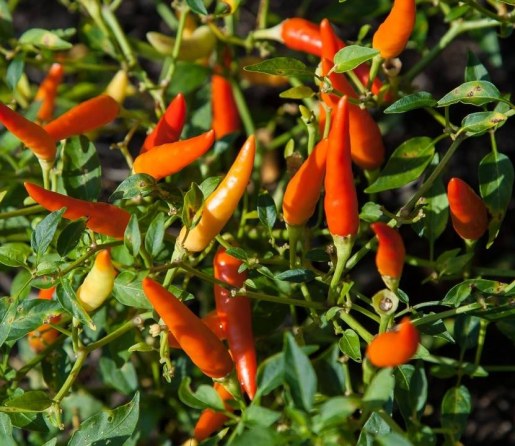
Whether you're whipping up a spicy Thai salad, crafting a zingy salsa, or garnishing your favourite Vietnamese dish, chillies bring fire and flavour like no other ingredient. The heat comes from capsaicin, a natural compound that tricks your brain into thinking you're burning – even though you're not!
At Otao Kitchen, we love using chillies in our hands-on cooking classes, from Thai and Vietnamese to Mexican and Indian cuisines. Here’s your guide to the most popular chillies in Australia—fresh and dried—as well as tips for handling them safely.
How to Prevent Onion Tears
How to Prevent Onion Tears
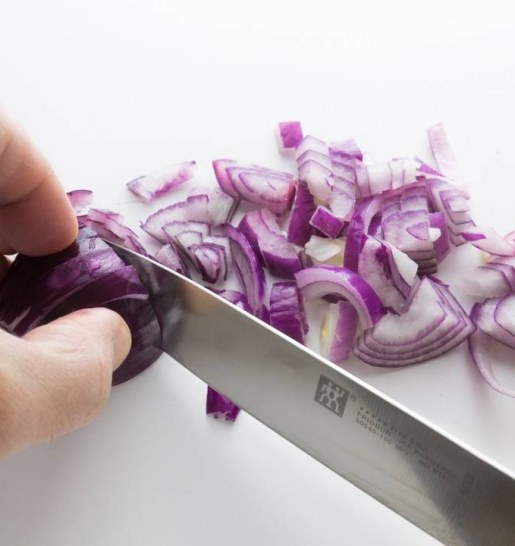
No, you're not getting emotional—those tears are thanks to Propanethiol S-oxide, a gas released when onion enzymes are broken down. When this gas reaches your eyes, it forms a mild sulfuric acid that makes them sting and water.
Luckily, there are a few clever tricks to stop the sobbing:
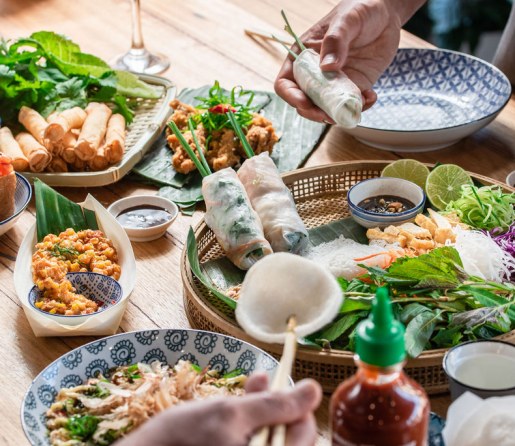
How to Make Salad Dressings That Transform Your Meals
How to Make Salad Dressings That Transform Your Meals
Gone are the days of the sad, limp salad—those lonely bowls filled with pale lettuce, sharp onion, and hard, underripe tomatoes. Today, salads are vibrant, diverse, and satisfying enough to take centre stage at the dinner table. Whether you’re eating light, reducing food waste, or boosting your fruit and veg intake, salads are a colourful canvas for creativity—and the right salad dressing brings it all together.
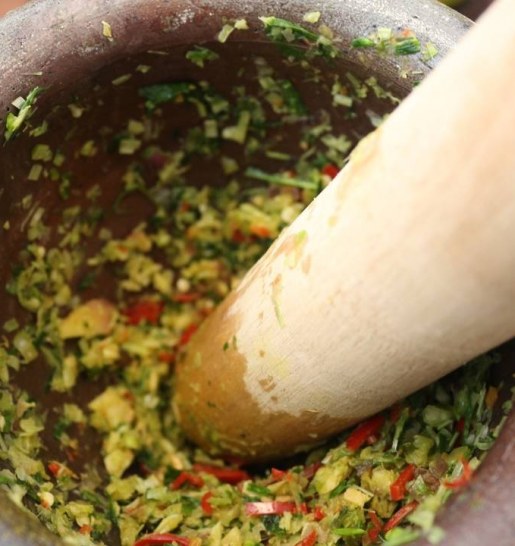
Varieties Of Thai Curry Pastes
Thai food is popular all over the world, and the vast assortment of Thai curries are some of the most beloved. Usually served with steamed jasmine rice, yellow, green and red Thai curries can be cooked with all kinds of vegetables, meat or seafood. They’re so versatile that these pastes, made from fresh herbs, spices and aromatics can also be used to marinate, add to soups or give a flavour kick to noodles or rice dishes. The difference between each of these colourful curries may be confusing at first, but we’ll be running through their different core ingredients and flavour profiles to help you find your favourite!
Discovering the Rich Flavours and Traditions of Thai Food
Discovering the Rich Flavours and Traditions of Thai Food
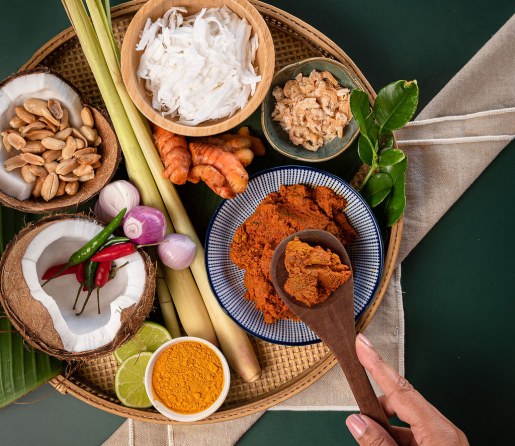
Thai cuisine is one of the most celebrated culinary traditions in the world — and for good reason. Its vibrant flavours, artistic presentation, and deeply rooted cultural significance make Thai food both unforgettable and unique. While it shares core ingredients with other Southeast Asian neighbours — such as chilli, garlic, ginger, lemongrass, fish sauce, palm sugar, and lime juice — Thai food has carved out a flavour profile that is entirely its own.
The Heart of Thai Cooking: Balance and Harmony
At the heart of Thai cooking lies the principle of balance. Every Thai dish is a delicate and deliberate orchestration of sweet, sour, salty, and spicy elements. Rather than one taste dominating the dish, Thai cooks strive to ensure that each flavour note is present and in harmony. For instance, palm sugar may mellow the saltiness of fish sauce, while lime juice or tamarind adds acidity to brighten the overall flavour. Herbs such as lemongrass and galangal (a cousin of ginger) infuse dishes with aromatic depth, often softening the intensity of chillies or garlic.
The skill of a Thai chef lies not just in technique but in their intuitive sense of proportion — knowing how to balance sharp heat with cooling sweetness, or round out saltiness with citrus tang. This philosophy makes every dish feel dynamic and alive, awakening every part of your palate.
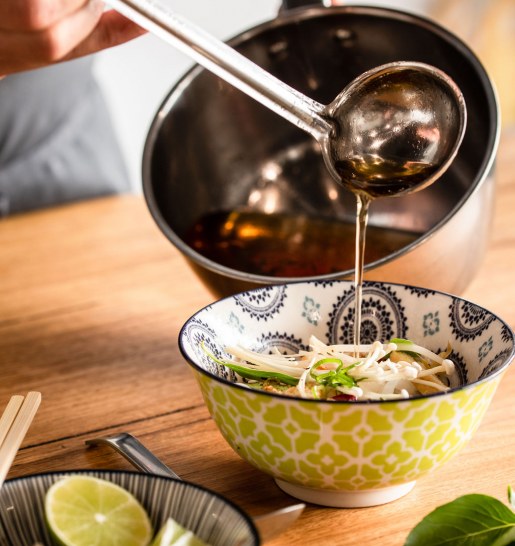
Making the Best Asian Stocks: The Secret to Incredible Soups, Stews, and Sauces
Making the Best Asian Stocks: The Secret to Incredible Soups, Stews, and Sauces
In the heart of every memorable bowl of pho, ramen, miso soup, or laksa lies a humble but mighty ingredient: stock. At Otao Kitchen, we believe that mastering the art of Asian stocks is essential for any aspiring home cook or chef. Whether you're whipping up a rich pork tonkotsu, a delicate seafood broth, or a nourishing chicken congee, a well-crafted stock is the foundation on which great flavour is built.
Having a good stock or broth is important in producing the best soups, stews, sauces and other dishes. It’s the foundation, or base layer, where you can begin to build flavour and umami. Obviously, making your own is time-consuming, but a quality homemade stock far surpasses a store-bought one.
In this article, we’ll explore everything you need to know about making traditional and Asian-style stocks – from choosing the right bones to understanding simmer times, aromatics, and insider tips from our Otao Kitchen masterclasses.
You may also want to try
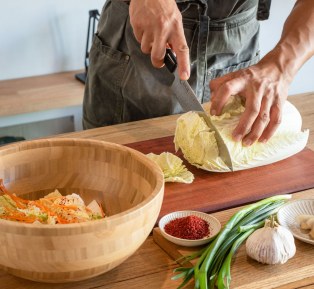
Knife Skills' Masterclass
3 hours
$245
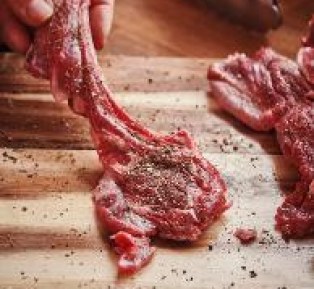
Beef & Lamb Workshop
7 Hours
$467
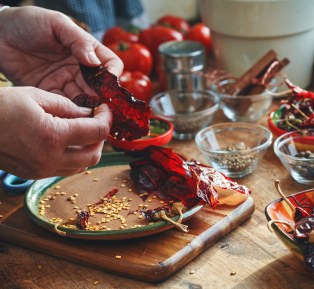
Sauces, Fermentation & Pickling Specialties
3 Hours
$207
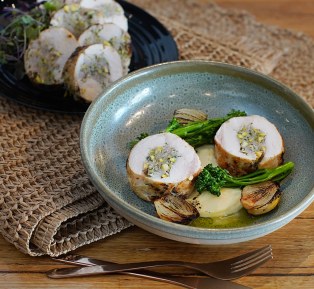
Pork & Poultry Workshop
7 Hours
$467
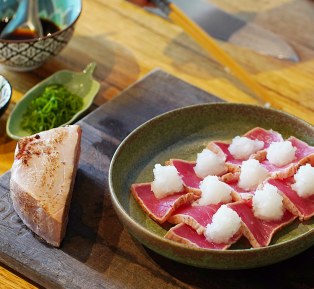
Fish & Seafood Workshop
7 Hours
$467
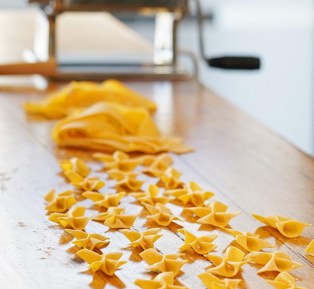
Pasta, Noodle & Dumpling Workshop
7 Hours
$467
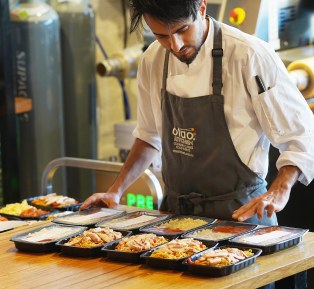
Vegetables & Plant-Based Mastery
3 Hours
$207

Pastry & Dessert Workshop
7 Hours
$467
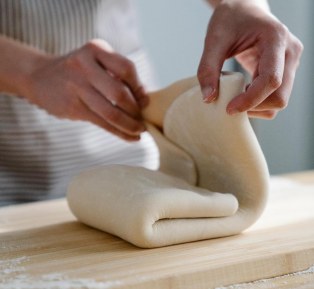
Bread & Baking Workshop
7 Hours
$467

Cooking with Australian Ingredients Masterclass
2.5–3 hours
$237