
Printer Friendly
Print Option

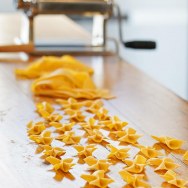
Artisan Handcrafted Skills: Pasta, Noodles & Dumplings Mastery

- Servings
0 - Prep
120 m - Cook
120 m
Recipe By: Otao kitchen
Artisan Handcrafted Skills: Pasta, Noodles & Dumplings
Format: In-person hands-on workshop
Duration: 2 workshops with price per workshop with shared dining and take-home items
Level: Hands-on, suitable for confident beginners through intermediate cooks
Location: Otao Kitchen
Workshop Structure: Two-part rotating module
- Class 1: Asian Classics — Jan, Mar, May, Jul, Sep, Nov
- Class 2: Italian Classics — Feb, Apr, Jun, Aug, Oct, Dec
Workshop Learning Focus
By the end of this workshop, participants should be able to:
- Select suitable flours and starches for fresh pasta, noodles, dumplings, and filled doughs.
- Knead, rest, roll, stretch, pull, fold, and shape dough with improved confidence.
- Identify hydration, gluten development, resting, and thickness as key controls in dough-based cooking.
- Prepare balanced fillings using meat, seafood, vegetables, herbs, aromatics, and seasoning.
- Cook dough-based dishes using boiling, steaming, pan-frying, stir-frying, baking, braising, and broth-based methods.
- Pair sauces, broths, oils, and garnishes with appropriate texture and flavour balance.
- Present handmade pasta, noodles, and dumplings with authentic style and practical home-cooking confidence.
General Dough Handling Notes for Students
- Dough texture changes with flour brand, humidity, temperature, and resting time. Use the recipe quantity as a guide, then adjust by feel.
- Resting dough is not optional. Resting relaxes gluten, improves elasticity, and makes rolling easier.
- Keep unused dough covered with a damp cloth or wrapped in plastic to prevent drying.
- Dust lightly and often, but avoid adding too much loose flour, which can make pasta, noodles, and dumplings dry or tough.
- Fillings should be well seasoned but not wet. Excess moisture can split dumplings, ravioli, tortelloni, or cannelloni.
- Cook fresh dough gently. Handmade pasta and dumplings often cook faster than dried products.
Class 1: Asian Classics
Chinese, Japanese & Southeast Asian Dough Traditions
This class focuses on softer, more hydrated doughs and the skills required for folding, sealing, pulling, tearing, steaming, boiling, stir-frying, and broth-based cooking. Students practise dough control, hand shaping, filling balance, and timing.
Class 1 Menu
- Chicken gyoza
- Pork and prawn wontons in soup
- Char kway teow
- Chicken ramen with chicken chashu-style topping
- Biang biang mian — hand-torn Chinese noodles with chilli oil
- Sweet rice dumplings with ginger syrup
1. Chicken Gyoza
Learning focus: Dumpling dough handling, filling texture, pleating, pan-frying, steaming, and crisp base control.
Serves: 2 as part of a shared class menu
Preparation time: 35 minutes
Execution time: 15 minutes
Makes: 14–16 gyoza
Ingredients
For the Gyoza Wrappers
- 150 g plain flour
- 75–85 ml hot water, just off the boil
- Pinch of salt
- Potato starch or cornflour, for dusting
For the Chicken Filling
- 180 g chicken mince, preferably thigh mince
- 80 g wombok or green cabbage, finely chopped
- ½ tsp salt, for wilting cabbage
- 1 spring onion, finely sliced
- 1 tsp ginger, finely grated
- 1 small garlic clove, finely grated
- 1 tsp soy sauce
- 1 tsp sesame oil
- 1 tsp sake or Shaoxing wine, optional
- ½ tsp sugar
- ¼ tsp white pepper
- 1 tsp cornflour
For Cooking
- 1 tbsp neutral oil
- 60 ml water
- ½ tsp sesame oil, optional for finishing
Dipping Sauce
- 1 tbsp soy sauce
- 1 tbsp rice vinegar
- ½ tsp chilli oil, optional
- ½ tsp sesame oil, optional
Method
- Make the wrapper dough. Place flour and salt in a bowl. Add hot water gradually while stirring with chopsticks or a fork. Stop when shaggy clumps form.
- Knead for 5–7 minutes until smooth. Wrap and rest for at least 30 minutes.
- Prepare the cabbage. Mix chopped cabbage with ½ tsp salt. Rest for 10 minutes, then squeeze firmly to remove excess water.
- Make the filling. Combine chicken mince, squeezed cabbage, spring onion, ginger, garlic, soy sauce, sesame oil, sake or Shaoxing wine, sugar, white pepper, and cornflour. Mix in one direction until sticky and slightly elastic.
- Roll wrappers. Divide dough into 14–16 pieces. Roll each into a thin round, about 8–9 cm wide, dusting lightly with starch.
- Fill and pleat. Place 1 heaped teaspoon filling in the centre. Moisten the edge lightly. Fold into a half-moon and pleat one side while keeping the back edge smooth. Press firmly to seal.
- Pan-fry and steam. Heat oil in a non-stick or well-seasoned pan over medium-high heat. Place gyoza flat-side down and cook for 2 minutes until golden underneath.
- Add water, cover immediately, and steam for 5–6 minutes until the filling is cooked.
- Remove the lid and cook until water evaporates and the base crisps again. Finish with a little sesame oil if desired.
- Serve hot with dipping sauce.
Chef Notes
- The filling should feel sticky, not crumbly. Mixing in one direction helps bind the protein.
- Remove as much liquid as possible from the cabbage. Wet filling can burst the dumplings.
- A good gyoza has a thin wrapper, juicy filling, and crisp golden base.
- Students should focus on consistent filling size and firm sealing before attempting speed.
2. Pork and Prawn Wontons in Soup
Learning focus: Tender filling, wonton folding, light broth seasoning, poaching, and texture balance.
Serves: 2
Preparation time: 35 minutes
Execution time: 15 minutes
Makes: 16–18 wontons
Ingredients
For the Wontons
- 120 g pork mince
- 100 g raw prawns, peeled, deveined, and finely chopped
- 1 spring onion, finely sliced
- 1 tsp ginger, finely grated
- 1 small garlic clove, finely grated
- 1 tsp soy sauce
- 1 tsp oyster sauce
- ½ tsp sesame oil
- ½ tsp Shaoxing wine, optional
- ¼ tsp white pepper
- 1 tsp cornflour
- 16–18 square wonton wrappers
For the Soup
- 600 ml chicken stock or light Asian broth
- 2 slices ginger
- 1 spring onion, cut into large pieces
- 1 tsp soy sauce
- ½ tsp sesame oil
- White pepper, to taste
- Salt, to taste
To Serve
- Choy sum, bok choy, or spinach, blanched
- Sliced spring onion
- Chilli oil, optional
- Fried shallots, optional
Method
- Make the filling. Combine pork, chopped prawn, spring onion, ginger, garlic, soy sauce, oyster sauce, sesame oil, Shaoxing wine, white pepper, and cornflour.
- Mix until the filling becomes sticky and cohesive. Refrigerate while preparing the broth.
- Prepare the soup. Simmer stock with ginger and spring onion for 10 minutes. Season with soy sauce, sesame oil, white pepper, and salt.
- Fold the wontons. Place one wrapper on the bench. Add 1 teaspoon filling to the centre. Moisten edges with water.
- Fold into a triangle and press out air pockets. Bring the two corners together and pinch to seal, forming a classic wonton shape.
- Cook the wontons. Bring a separate pot of water to a gentle boil. Add wontons and cook for 3–4 minutes, or until they float and the filling is cooked through.
- Place greens into serving bowls. Add cooked wontons. Ladle hot broth over the top.
- Garnish with spring onion, chilli oil, or fried shallots.
Chef Notes
- Cooking wontons separately keeps the broth clear.
- Avoid overfilling; too much filling makes the wrapper split.
- Press out trapped air before sealing. Air pockets expand during cooking.
- The broth should be light, savoury, and clean, allowing the wontons to remain the focus.
3. Char Kway Teow
Learning focus: High-heat wok cooking, noodle separation, sauce balance, seafood timing, and smoky wok-style flavour.
Serves: 2
Preparation time: 20 minutes
Execution time: 10 minutes
Ingredients
250 g fresh flat rice noodles
- 120 g prawns, peeled and deveined
- 80 g Chinese sausage, sliced, optional
- 1 egg, lightly beaten
- 1 garlic clove, finely chopped
- 1 small handful garlic chives or spring onion, cut into 4 cm lengths
- 60 g bean sprouts
- 1 tbsp neutral oil, plus extra if needed
- 1 tsp chilli paste or sambal, optional
- Lime wedge, to serve
Sauce
- 1 tbsp light soy sauce
- 1 tbsp dark soy sauce
- 1 tsp oyster sauce
- 1 tsp kecap manis
- ½ tsp fish sauce, optional
- ½ tsp sugar
- Pinch of white pepper
Method
- Prepare the noodles. If the noodles are stuck together, loosen gently with your fingers. If firm, briefly rinse with warm water and drain well.
- Mix the sauce. Combine all sauce ingredients in a small bowl.
- Heat a wok or large frying pan until very hot. Add oil, then prawns. Stir-fry for 30–60 seconds until just changing colour. Remove and set aside.
- Add Chinese sausage if using and cook briefly to release flavour.
- Add garlic and chilli paste. Stir quickly without burning.
- Add noodles and toss over high heat. Spread them across the wok surface so they char lightly.
- Add sauce and toss to coat evenly.
- Push noodles to one side. Add a little oil and pour in egg. Let it set slightly, then fold through the noodles.
- Return prawns to the wok. Add garlic chives and bean sprouts. Toss for 30–60 seconds only.
- Serve immediately with lime.
Chef Notes
- Char kway teow must be cooked fast. Have everything ready before turning on the heat.
- Fresh rice noodles break easily. Toss with confidence but avoid excessive stirring.
- The final dish should taste savoury, smoky, lightly sweet, and rich, with bean sprouts still crisp.
- For class use, cook in small batches so the noodles fry rather than steam.
4. Chicken Ramen with Chicken Chashu-Style Topping
Learning focus: Broth building, tare seasoning, noodle timing, soft egg preparation, and composed bowl assembly.
Serves: 2
Preparation time: 40 minutes, plus optional egg marinating
Execution time: 45 minutes
Ingredients
For the Quick Chicken Broth
- 700 ml chicken stock
- 2 slices ginger
- 2 garlic cloves, crushed
- 1 spring onion, cut into large pieces
- 1 small piece kombu, about 4 g, optional
- 2 dried shiitake mushrooms, optional
- 1 tsp sesame oil or chicken fat, optional
For the Shoyu Tare
- 3 tbsp soy sauce
- 1 tbsp mirin
- 1 tbsp sake, optional
- ½ tsp sugar
- ½ tsp rice vinegar, optional
For the Chicken Chashu-Style Topping
- 1 boneless chicken thigh, skin on if available
- 1 tbsp soy sauce
- 1 tbsp mirin
- 1 tbsp sake or water
- 1 tsp sugar
- 1 slice ginger
- 1 small garlic clove, crushed
For the Ramen Bowl
- 2 portions fresh ramen noodles
- 1 ramen egg, halved, optional
- 1 sheet nori, cut into pieces
- Corn kernels, bamboo shoots, or blanched greens, optional
- Sliced spring onion
- Toasted sesame seeds, optional
- Chilli oil, optional
Optional Ramen Egg
- 2 eggs
- 2 tbsp soy sauce
- 2 tbsp mirin
- 2 tbsp water
Method
- Prepare the ramen egg, if using. Simmer eggs for 6½–7 minutes. Cool in ice water, peel, and marinate in soy sauce, mirin, and water for at least 30 minutes.
- Make the broth. Simmer chicken stock with ginger, garlic, spring onion, kombu, and shiitake for 20–30 minutes. Do not boil hard if kombu is used. Strain and keep hot.
- Make the tare. Combine soy sauce, mirin, sake, sugar, and rice vinegar in a small saucepan. Warm until sugar dissolves.
- Cook the chicken topping. Place chicken thigh in a small pan with soy sauce, mirin, sake or water, sugar, ginger, and garlic. Add enough water to come halfway up the chicken.
- Simmer gently for 15–18 minutes, turning occasionally, until cooked through. Rest for 5 minutes, then slice.
- Cook the noodles. Bring a large pot of water to a rolling boil. Cook ramen noodles according to thickness, usually 1½–3 minutes. Drain well.
- Assemble. Add 1½–2 tbsp tare to each bowl. Add hot broth and taste. Adjust with more tare if needed.
- Add noodles, lifting and folding them neatly into the broth.
- Top with sliced chicken, ramen egg, nori, greens or corn, spring onion, sesame seeds, and chilli oil if desired.
Chef Notes
- Ramen is built in layers: broth, tare, fat, noodles, and toppings.
- Tare seasons the bowl. Keep the broth lighter so students can taste the effect of seasoning gradually.
- Noodles should be cooked last and served immediately.
- The chicken topping is a practical class-friendly alternative to long-braised pork chashu.
5. Biang Biang Mian — Hand-Torn Chinese Noodles with Chilli Oil
Learning focus: High-hydration noodle dough, gluten relaxation, stretching, slapping, tearing, chilli oil blooming, and noodle texture.
Serves: 2
Preparation time: 45 minutes, plus resting
Execution time: 15 minutes
Ingredients
For the Noodle Dough
- 200 g plain flour or bread flour
- 100–110 ml water
- ½ tsp salt
- 1 tbsp neutral oil, for coating
For the Chilli Oil Sauce
- 2 tbsp neutral oil
- 1 garlic clove, finely chopped
- 1 spring onion, finely sliced
- 1 tsp chilli flakes, or to taste
- ½ tsp toasted sesame seeds
- 1 tbsp light soy sauce
- 1 tsp black vinegar or rice vinegar
- ½ tsp sugar
- Pinch of salt
To Serve
- Blanched bok choy, spinach, or choy sum
- Fresh coriander, optional
- Extra chilli oil, optional
Method
- Make the dough. Combine flour and salt in a bowl. Add water gradually and mix into a shaggy dough.
- Knead for 8–10 minutes until smooth and elastic. Rest covered for 20 minutes.
- Divide the dough into 4 equal pieces. Shape each into a log, coat with oil, cover, and rest for at least 45 minutes. Longer resting makes stretching easier.
- Shape the noodles. Flatten one piece of dough into a long strip. Press a chopstick lengthwise down the centre to create a groove.
- Hold both ends and gently stretch the dough, bouncing or slapping it lightly against the bench until long and thin.
- Tear the noodle open along the centre groove to create one long, wide noodle. Repeat with remaining dough.
- Cook the noodles. Boil in salted water for 1–2 minutes, until chewy and cooked through. Add greens briefly to blanch.
- Make the chilli oil sauce. Place garlic, spring onion, chilli flakes, sesame seeds, soy sauce, vinegar, sugar, and salt in a heatproof bowl.
- Heat oil until shimmering, then pour carefully over the aromatics to bloom them. Stir to combine.
- Toss hot noodles and greens through the sauce. Serve immediately.
Chef Notes
- Resting is the secret to stretchable noodles. If the dough resists, rest it longer.
- The noodle should be chewy, silky, and uneven in a pleasing handmade way.
- Hot oil must be handled carefully in class. Use a small pot and pour away from the body.
- The sauce should be savoury, aromatic, lightly acidic, and spicy.
6. Sweet Rice Dumplings with Ginger Syrup
Learning focus: Glutinous rice dough, filling control, sealing, gentle simmering, and dessert balance.
Serves: 2
Preparation time: 30 minutes
Execution time: 15 minutes
Makes: 10–12 dumplings
Ingredients
For the Rice Dumpling Dough
- 120 g glutinous rice flour
- 85–95 ml warm water
- Pinch of salt
For the Sesame Peanut Filling
- 30 g roasted peanuts, finely crushed
- 20 g black sesame seeds or white sesame seeds, ground
- 25 g brown sugar or palm sugar
- 15 g softened butter or coconut oil
- Pinch of salt
For the Ginger Syrup
- 400 ml water
- 40 g sugar, rock sugar, or palm sugar
- 4–5 slices fresh ginger
- 1 pandan leaf, knotted, optional
Method
- Make the filling. Combine crushed peanuts, sesame, sugar, butter or coconut oil, and salt. Chill briefly until firm enough to portion.
- Roll filling into 10–12 small balls.
- Make the dough. Place glutinous rice flour and salt in a bowl. Add warm water gradually, mixing until a soft, smooth dough forms. It should feel like soft modelling clay.
- Divide dough into 10–12 pieces. Keep covered.
- Flatten one dough piece into a disc. Place filling in the centre, wrap dough around it, seal firmly, and roll gently into a ball.
- Make the syrup. Simmer water, sugar, ginger, and pandan for 10 minutes.
- Cook the dumplings. Bring a pot of water to a gentle boil. Add dumplings and simmer until they float, then cook for 1 more minute.
- Transfer dumplings to bowls and ladle over hot ginger syrup.
Chef Notes
- Glutinous rice flour contains no gluten. The dough stretches because of starch, not protein.
- If the dough cracks, add a few drops of water. If sticky, dust lightly with rice flour.
- Seal the filling completely to prevent sugar leaking into the cooking water.
- The syrup should be warming, aromatic, and not overly sweet.
Class 2: Italian Classics
Fresh Pasta & Filled Pasta Mastery
This class focuses on egg-based pasta dough, filled pasta, rolled sheets, baked pasta, gnocchi, and classic sauces. Students practise kneading, lamination, rolling, shaping, filling, sealing, boiling, baking, and sauce pairing.
Class 2 Menu
- Pumpkin ravioli
- Tortelloni with salsa napolitana
- Spinach and ricotta cannelloni
- Potato gnocchi with sage butter
- Pasta all’uovo — tagliatelle, pappardelle, farfalle with pesto or cacio e pepe
- Lasagna Emiliana
Basic Pasta all’Uovo — Italian Egg Pasta Dough
Learning focus: Egg pasta ratio, kneading, resting, rolling, lamination, and sheet thickness.
Makes: Enough for 2 portions of cut pasta or 2–3 portions of filled pasta
Preparation time: 20 minutes
Resting time: 30 minutes minimum
Ingredients
- 200 g tipo 00 flour or plain flour
- 2 large eggs, about 100 g without shell
- 1 tsp olive oil, optional
- Pinch of salt
- Semolina or extra flour, for dusting
Method
- Place flour on the bench and make a wide well in the centre.
- Add eggs, olive oil if using, and salt. Beat the eggs with a fork, gradually drawing in flour from the inner edge.
- When the dough becomes thick, use your hands or a bench scraper to bring it together.
- Knead for 8–10 minutes until smooth, firm, and elastic.
- Wrap tightly and rest for at least 30 minutes at room temperature.
- Roll using a pasta machine, starting on the widest setting. Fold and pass through several times to laminate.
- Continue rolling thinner, one setting at a time, until suitable for the recipe.
Chef Notes
- Pasta dough should feel firm but not dry. If crumbly, wet your hands and continue kneading.
- Resting allows hydration and makes rolling easier.
- Filled pasta needs thinner sheets than cut pasta.
- Keep rolled sheets covered so they do not dry before shaping.
1. Pumpkin Ravioli
Learning focus: Filled pasta sheets, roasted vegetable filling, sealing, cutting, boiling, and butter sauce balance.
Serves: 2
Preparation time: 45 minutes
Execution time: 20 minutes
Makes: 12–14 ravioli
Ingredients
For the Pasta
- 1 batch basic pasta all’uovo
- Semolina or flour, for dusting
For the Pumpkin Filling
- 250 g pumpkin, peeled and diced
- 1 tsp olive oil
- Salt and pepper
- 40 g ricotta
- 20 g parmesan, finely grated
- Pinch of nutmeg
- ½ tsp lemon zest, optional
- 1 tsp chopped sage or parsley, optional
For the Sage Butter
- 40 g unsalted butter
- 6 sage leaves
- 1 tsp lemon juice
- Salt and pepper
- Parmesan, to serve
Method
- Roast the pumpkin. Preheat oven to 200°C. Toss pumpkin with olive oil, salt, and pepper. Roast for 20–25 minutes until soft and lightly caramelised.
- Mash or blend pumpkin until smooth. Cool completely.
- Mix pumpkin with ricotta, parmesan, nutmeg, lemon zest, and herbs. The filling should be thick enough to hold shape. Season well.
- Roll pasta dough into thin sheets. Keep covered.
- Place small teaspoons of filling along one pasta sheet, leaving space between each mound.
- Lightly brush around the filling with water if needed. Cover with a second sheet.
- Press around each filling mound to remove air pockets and seal firmly.
- Cut into squares or rounds. Place on a semolina-dusted tray.
- Boil ravioli in salted water for 2–3 minutes, or until tender.
- Melt butter with sage in a pan until nutty and aromatic. Add lemon juice carefully.
- Transfer ravioli into the butter sauce with a splash of pasta water. Toss gently and serve with parmesan.
Chef Notes
- The filling must be cool before shaping or it will soften the pasta.
- Air pockets cause ravioli to burst. Press carefully around each mound.
- Brown butter should smell nutty, not burnt.
- Pumpkin needs enough salt, cheese, acid, and herbs to avoid tasting flat.
2. Tortelloni with Salsa Napolitana
Learning focus: Larger filled pasta shaping, ricotta-based filling, folding technique, tomato sauce balance, and gentle boiling.
Serves: 2
Preparation time: 50 minutes
Execution time: 25 minutes
Makes: 10–12 tortelloni
Ingredients
For the Pasta
- 1 batch basic pasta all’uovo
- Semolina or flour, for dusting
For the Filling
- 150 g ricotta, well drained
- 40 g parmesan, finely grated
- 1 egg yolk, optional for richness
- 1 tbsp chopped basil or parsley
- Pinch of nutmeg
- Salt and pepper
For the Salsa Napolitana
- 1 tbsp olive oil
- 1 small garlic clove, sliced
- 300 g canned crushed tomatoes or passata
- 1 small basil stem, optional
- Pinch of sugar, optional
- Salt and pepper
- Extra virgin olive oil, to finish
Method
- Make the sauce. Heat olive oil in a small saucepan. Add garlic and cook gently until fragrant but not browned.
- Add tomatoes and basil stem. Simmer for 15–20 minutes until slightly thickened. Season with salt, pepper, and a pinch of sugar if needed. Finish with extra virgin olive oil.
- Make the filling. Combine ricotta, parmesan, egg yolk if using, herbs, nutmeg, salt, and pepper. Taste and adjust seasoning.
- Roll pasta dough into thin sheets. Cut into 8–9 cm squares.
- Place a teaspoon of filling in the centre of each square.
- Fold into a triangle, pressing firmly to seal and remove air.
- Wrap the two corners around your finger and pinch together to form tortelloni.
- Place on a semolina-dusted tray.
- Boil gently in salted water for 3–4 minutes.
- Spoon salsa Napolitana into warm bowls. Add tortelloni and finish with parmesan, basil, and olive oil.
Chef Notes
- Tortelloni are larger and easier for students than small tortellini, while still teaching the same folding principle.
- Ricotta must be drained. Wet filling makes pasta difficult to seal.
- Tomato sauce should taste bright, clean, and lightly sweet, not heavy.
- Handle filled pasta gently after cooking.
3. Spinach and Ricotta Cannelloni
Learning focus: Pasta sheets, spinach filling, rolling, baked pasta assembly, tomato sauce, béchamel, and oven finishing.
Serves: 2–3
Preparation time: 45 minutes
Execution time: 35 minutes
Ingredients
For the Pasta
- 1 batch basic pasta all’uovo, rolled into sheets
- Flour or semolina, for dusting
For the Spinach Ricotta Filling
- 200 g spinach, washed
- 180 g ricotta, well drained
- 40 g parmesan, finely grated
- 1 egg yolk
- Pinch of nutmeg
- Salt and pepper
- ½ tsp lemon zest, optional
For the Tomato Sauce
- 1 tbsp olive oil
- 1 small garlic clove, sliced
- 300 g passata or crushed tomatoes
- 3 basil leaves
- Salt and pepper
For the Béchamel
- 20 g butter
- 20 g plain flour
- 250 ml milk, warm
- Pinch of nutmeg
- Salt and white pepper
To Finish
- 25 g parmesan, grated
- Extra basil leaves
Method
- Cook the spinach. Wilt spinach in a pan or blanch briefly. Cool, squeeze very dry, and chop finely.
- Mix spinach with ricotta, parmesan, egg yolk, nutmeg, salt, pepper, and lemon zest if using.
- Make the tomato sauce. Cook garlic gently in olive oil. Add passata and basil. Simmer for 15 minutes and season.
- Make the béchamel. Melt butter in a small saucepan. Stir in flour and cook for 1 minute. Gradually whisk in warm milk until smooth. Simmer until lightly thickened. Season with nutmeg, salt, and white pepper.
- Cut pasta sheets into rectangles, about 10 x 12 cm. Blanch in salted boiling water for 30–45 seconds, then refresh briefly and lay flat on a clean cloth.
- Place filling along one edge of each sheet and roll into tubes.
- Spread tomato sauce in the base of a baking dish. Arrange cannelloni seam-side down.
- Spoon béchamel over the top and sprinkle with parmesan.
- Bake at 190°C for 20–25 minutes until bubbling and golden.
- Rest for 5 minutes before serving with basil.
Chef Notes
- Spinach must be squeezed very dry to prevent watery filling.
- Blanching fresh pasta sheets before baking creates a softer finished texture.
- Cannelloni should be sauced generously but not drowned.
- Resting after baking makes the dish easier to portion.
4. Potato Gnocchi with Sage Butter
Learning focus: Potato selection, light dough handling, shaping, boiling, pan finishing, and butter emulsification.
Serves: 2
Preparation time: 35 minutes
Execution time: 20 minutes
Ingredients
For the Gnocchi
- 400 g floury potatoes, such as sebago or desiree
- 80–110 g plain flour, plus extra for dusting
- 1 egg yolk, optional
- ½ tsp salt
- Pinch of nutmeg, optional
For the Sage Butter
- 50 g unsalted butter
- 8 sage leaves
- 1–2 tbsp pasta cooking water
- 1 tsp lemon juice, optional
- Salt and pepper
- Parmesan, to serve
Method
- Boil potatoes whole and unpeeled until tender, or bake until soft for a drier result.
- Peel while warm and pass through a ricer or mash very finely.
- Spread potato on a tray for a few minutes to release steam.
- Add salt, nutmeg, egg yolk if using, and most of the flour. Gently bring together into a soft dough.
- Add more flour only if needed. Avoid overworking.
- Divide dough into pieces and roll into ropes. Cut into 2 cm pieces.
- Shape on a gnocchi board or fork if desired.
- Boil in salted water until the gnocchi float, then cook for 30 seconds more.
- Meanwhile, melt butter with sage until fragrant and lightly nutty.
- Add gnocchi to the pan with a splash of cooking water. Toss gently to glaze. Finish with lemon juice if using, parmesan, and pepper.
Chef Notes
- Too much flour makes gnocchi heavy. Add only enough to hold the dough together.
- Dry potato creates lighter gnocchi. Steam is the enemy of delicate texture.
- Work quickly while the potato is warm.
- The finished gnocchi should be tender, not chewy.
5. Pasta all’Uovo — Tagliatelle, Pappardelle, Farfalle with Pesto or Cacio e Pepe
Learning focus: Cutting pasta, ribbon thickness, bow shaping, sauce selection, pasta water emulsion, and finishing texture.
Serves: 2
Preparation time: 30 minutes, plus dough resting
Execution time: 10 minutes
Ingredients
For the Pasta
- 1 batch basic pasta all’uovo
- Semolina or flour, for dusting
Cutting Options
- Tagliatelle: 6–8 mm ribbons
- Pappardelle: 2–3 cm wide ribbons
- Farfalle: 4 x 3 cm rectangles, pinched in the centre
Option A: Basil Pesto
- 30 g basil leaves
- 15 g parmesan, grated
- 15 g pine nuts or almonds, toasted
- ½ small garlic clove
- 50 ml extra virgin olive oil
- Salt and pepper
- Lemon juice, to taste
Option B: Cacio e Pepe
- 40 g pecorino romano or parmesan, finely grated
- 1 tsp freshly cracked black pepper
- 1 tbsp butter, optional
- Pasta cooking water, as needed
Method
- Roll pasta dough to medium-thin sheets for ribbons or farfalle.
- For tagliatelle or pappardelle, dust sheets lightly, fold loosely, and cut into even ribbons.
- For farfalle, cut small rectangles and pinch firmly in the centre to create bow shapes.
- Boil pasta in salted water for 2–3 minutes, depending on thickness.
For Pesto
- Pound or blend basil, cheese, nuts, garlic, and olive oil until textured but cohesive. Season with salt, pepper, and lemon.
- Toss cooked pasta with pesto off the heat, adding pasta water to loosen.
For Cacio e Pepe
- Toast black pepper briefly in a pan. Add a splash of pasta water and butter if using.
- Add cooked pasta and toss.
- Remove from direct heat and gradually add cheese, tossing vigorously with small splashes of pasta water until creamy.
Chef Notes
- Do not over-dust pasta before cutting, or the sauce will not cling well.
- Pesto should be fresh and aromatic. Avoid heating it aggressively.
- Cacio e pepe depends on finely grated cheese, hot pasta water, and controlled heat.
- Students should compare how different pasta shapes hold sauce.
6. Lasagna Emiliana
Learning focus: Fresh pasta sheets, ragù, béchamel, layering, baking, resting, and balance of sauce to pasta.
Serves: 4 as part of a shared class menu
Preparation time: 50 minutes
Execution time: 45 minutes
Ingredients
For the Pasta
- 1 batch basic pasta all’uovo, rolled into thin sheets
- Flour or semolina, for dusting
For the Quick Ragù
- 1 tbsp olive oil
- ½ small onion, finely diced
- ½ small carrot, finely diced
- ½ celery stick, finely diced
- 1 garlic clove, minced, optional
- 200 g beef mince, pork mince, or mixed mince
- 1 tbsp tomato paste
- 75 ml red wine or white wine, optional
- 250 g passata or crushed tomatoes
- 100 ml stock or water
- 1 small bay leaf
- Salt and pepper
For the Béchamel
- 35 g butter
- 35 g plain flour
- 450 ml milk, warm
- Pinch of nutmeg
- Salt and white pepper
To Assemble
- 50 g parmesan, grated
- Butter or oil, for greasing
Method
- Make the ragù. Heat olive oil in a saucepan. Add onion, carrot, celery, and garlic if using. Cook gently for 6–8 minutes until soft.
- Add mince and cook until browned, breaking it up well.
- Add tomato paste and cook for 1–2 minutes.
- Add wine if using and reduce by half.
- Add passata, stock, bay leaf, salt, and pepper. Simmer for 25–30 minutes until rich and thick but still spoonable.
- Make the béchamel. Melt butter. Stir in flour and cook for 1–2 minutes. Gradually whisk in warm milk. Simmer until smooth and lightly thickened. Season with nutmeg, salt, and white pepper.
- Prepare pasta sheets. Cut sheets to fit the baking dish. Blanch in salted boiling water for 30–45 seconds, then lay flat on a clean cloth.
- Grease a baking dish. Spread a thin layer of ragù and béchamel on the base.
- Layer pasta, ragù, béchamel, and parmesan. Repeat until ingredients are used, finishing with béchamel and parmesan.
- Bake at 190°C for 25–30 minutes until bubbling and golden.
- Rest for at least 10 minutes before slicing.
Chef Notes
- Lasagna should have clear layers, not too much sauce between each sheet.
- Resting is essential. Freshly baked lasagna is too loose to cut cleanly.
- A balanced lasagna tastes savoury, creamy, lightly sweet from the vegetables, and rich without being heavy.
- Blanching fresh pasta sheets prevents a dry or floury finished texture.
Assessment Criteria
Skill | Expected Outcome |
Dough handling | Dough is kneaded, rested, rolled, stretched, or shaped appropriately for the dish. |
Filling | Filling is balanced, not too wet, and seasoned correctly. |
Shaping | Dumplings, noodles, pasta, and filled pasta are consistent and sealed where required. |
Cooking | Student applies the correct method: boiling, steaming, frying, stir-frying, baking, or broth cooking. |
Sauce and broth | Sauces and broths have appropriate consistency, flavour, and balance. |
Presentation | Finished dish reflects the intended tradition and is plated cleanly. |
Assessment is through chef observation, tasting, peer discussion, and group reflection.
Student Takeaways
- Full recipe pack for Class 1 and Class 2.
- Dough handling reference notes.
- Practical shaping experience across Asian and Italian traditions.
- Fresh handmade pasta, dumplings, or noodles to enjoy in class or take home where suitable.
- Individual chef feedback on dough texture, shaping, cooking, and presentation.
Ingredients
Directions
© 2026 OTAO Kitchen. All Rights Reserved. ABN 65 606 809 581
Printed From otaokitchen.com.au 10/22/2026