

Culinary Inspiration by Otao Kitchen
Cook . Connect. Celebrate
At Otao Kitchen, we believe cooking is one of the most powerful ways to connect—with yourself, your loved ones, and the world around you. It can put a smile on your face, bring family and friends together, and create memories that last a lifetime.
But cooking is more than just connection—what you choose to cook and eat impacts your health and the health of the planet. That’s why we’re passionate about making it as easy and enjoyable as possible for everyone to experience the joy of good, home-cooked food.
“Cook to Connect” is at the core of everything we do. Through our blog, food experiences, and global travel inspiration, we explore the deep relationships between cuisine, culture, and community. From vibrant street food across the globe to time-honoured family recipes passed through generations, we share with you the stories, flavours, and traditions that shape the way the world eats.
Here, you’ll find:
Practical cooking tips and techniques
Authentic global recipes
Cultural and culinary insights
Event planning advice
Kid-friendly cooking inspiration
Travel stories and destination food guides
Seasonal celebrations and global food festivals
Whether you're in your home kitchen or exploring a faraway land, we’re here to help you cook with purpose—and connect with the world through food.
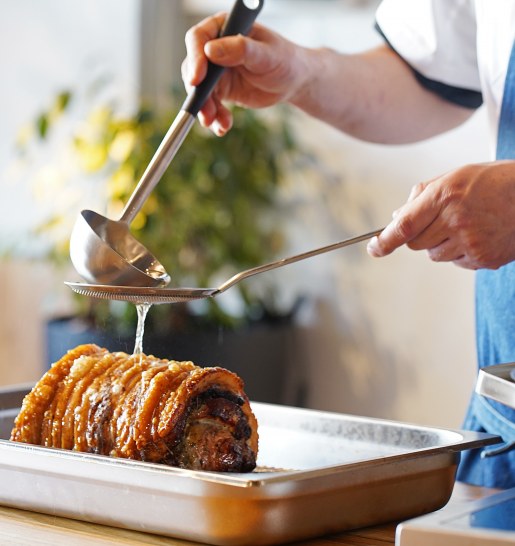

How To Work Out Meat Shrinkage or Yield When Cooking
You alway wonder how much you need to by when you cater for a home party? The reason is whatever cut you get, you will loose some of the weight and volume of the meats when cooking them. Keep reading!
Meat and other animal proteins such as poultry and fish do shrink when you cook them. Here's are some tips and tricks for you to work out.
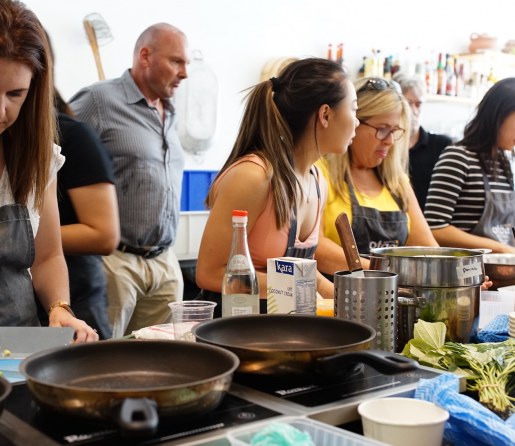
Event Ideas To Steal Today
Business events can't be just about work but have a bit of fun, building great relationships or thanking everyone for their work. And most companies will organise something along the lines of going out for dinner after a meeting or heading to the bar for few beers which are all fabulous, and do work wonders for morale. But have you ever wanted to do something a bit more unique event?
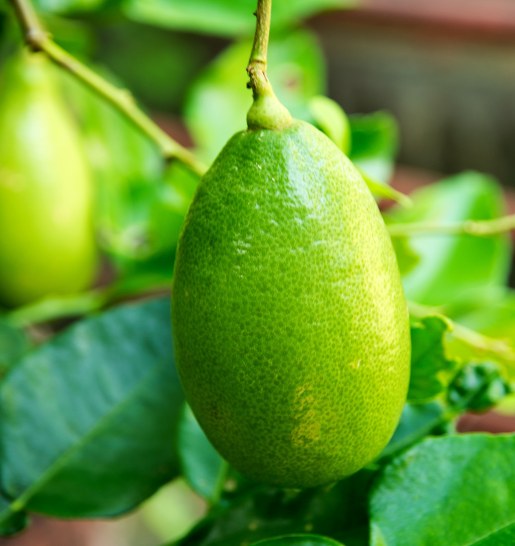
Learn About Indigenous Food Culture In Australia?
Australian food today is vibrant with many cultures around the world however the food culture of Aboriginal peoples and Torres Strait Islanders. We explore other cuisines but we can also learn about Aboriginal culture and cuisine so we can have deep understanding of Australian landscape and its indigenous food. And cook, share and celebrate our native ingredient experience. For the the first people of Australia, food isn’t just about nutrition, it’s a social activity that brings people together.
From Italian and Mexican to Vietnamese and Indian, there are so many different flavours that have made their way into contemporary Australian cuisine. But along the way, we have often forgotten our own indigenous flavours that take inspiration from our diverse landscapes, unique flora and fauna, and cultivates the notion of sharing food with others. For the indigenous inhabitants of Australia, food isn’t just about nutrition – it’s a social activity that brings people together.
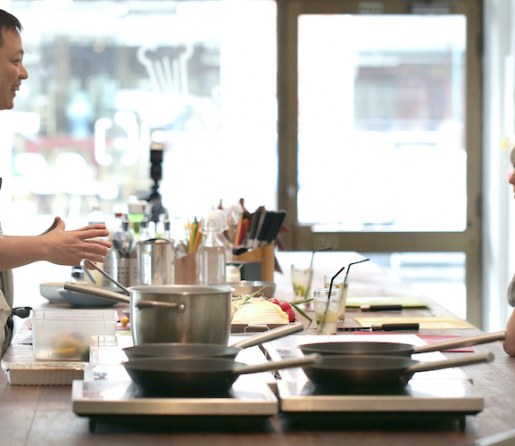
Bring Bold Thai Flavours to your Cooking this Holiday!
The holiday season is a time to gather with family and friends, partake in seasonal activities and, of course, eat your favourite comfort foods. But this time of year is also hectic, which can make planning any holiday meal overwhelming. Luckily, we’re here to help. Check out some of our favourite Thai dishes for you to make this Christmas.

Plan Your Perfect Christmas Event: Ideas and Themes
The holiday season is here, and it's time to start planning the perfect Christmas event! Whether it's a fun-filled family gathering or an elegant corporate party, everyone loves to celebrate Christmas in their unique way. But, planning an event isn't easy, especially when it's about Christmas. When it comes to creating the perfect event, there are so many options. In this blog post, we'll provide you some amazing ideas and themes to make your event unforgettable.
1. DIY Christmas Ornaments Workshop
Creating handmade Christmas ornaments can be an excellent idea for your event. You can organize a workshop where people can learn to make their unique decorations. It can be an excellent activity for friends and family to bond over. Your guests will be able to take home a personalized ornament, which can act as a memorable keepsake.
2. Wreath Crafting
Crafting a wreath has become a popular Christmas trend in recent years. You can teach your guests how to create a stunning wreath for their homes with just a few simple materials. Participants will enjoy this hands-on activity, and the end creations can be a great addition to their Christmas decorations.
3. Homemade Gift Hampers
Gift hampers are an ideal way to show love and appreciation. You can create customized homemade gift hampers for your loved ones who attend your event. These hampers can be filled with items such as chocolates, homemade cakes, and Christmas-themed decorations.
4. Cocktail Making Workshop
Hosting a cocktail making workshop can be a fun idea for your New Year's Eve party. If you’re good at making cocktails, this is an excellent opportunity to teach others. You can introduce guests to some unique and different cocktail recipes, which they can use in their future parties.
5. Traditional Christmas Dishes Workshop
There is something special about the traditional Christmas dishes. If you’re good at cooking them, then you can teach others. You can organize a Christmas dish workshop where participants can learn to cook various traditional dishes and share with their family and friends.
Moving on, let's take a look at some fantastic ideas and themes for Christmas and New Year's events.
6. Breakfast with Santa
Breakfast with Santa is an exciting concept, especially for families with young children. You can organize this event at low cost and make it memorable by inviting Santa! Children will enjoy the morning meal, and parents can take some beautiful photos with Santa.
7. Dumpling Making Parties
Cooking parties are a new trend and can be a grand idea for Christmas day. The party can be served with Christmas-themed food and decorations. You can host this party at your home or book this at Otao kitchen venue to make it more significant.
8. Christmas Markets
Christmas markets are trendy events where people can come and buy unique Christmas gifts or just enjoy the festive atmosphere. You can create a perfect market with a theme, for instance, a vintage market or a natural market, to add an extra festive touch.
9. Christmas Party
Last but not least, what's Christmas without a theme party? You can host a Christmas party with a themed decoration, for instance, Italian classics or New Mexican. You can plan some fun activities such as games, movies, and singing Christmas carols.
With these creative ideas and themes, your Christmas event planning will turn from stressful to fun. Whether you decide to host a DIY workshop, dumpling party, or a themed party, you’ll be able to create memories that will last a lifetime. Always remember that the most important thing about the holiday season is coming together with loved ones and cherishing those moments. Happy Event Planning!
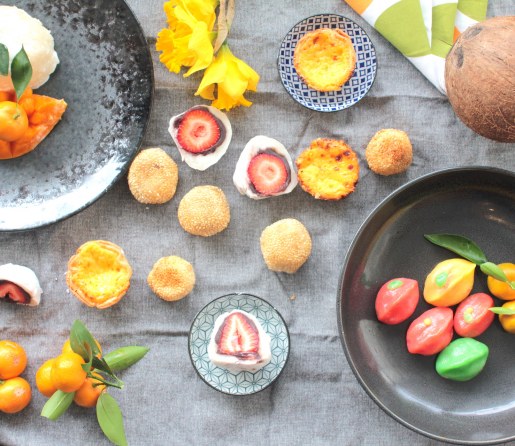
Having Fun With Wrapping Gift Card
Gift cards are a great gift to give someone because they guarantee your friend or family member can find something they’ll love. However, since the cards are so small, coming up with gift card wrapping ideas can often be hard.
Though you can easily give them in an envelope with a card or in a small gift bag, it’s often nice to do something creative that really shows you care. However, coming up with fun ways to wrap a gift card can often be time-consuming, especially if you don’t know where to start.
Luckily, we’ve curated a few creative ways for you to wrap your gift card so you can skip the guesswork and get to wrapping!
Virtual Event Tips and Tricks
2020 has transformed the event industry world upside down. Technology became a matter of fact, and the events started happening on screens. As the world has not recovered from COVID-19 yet, Virtual event has been the safest way to organise an event.
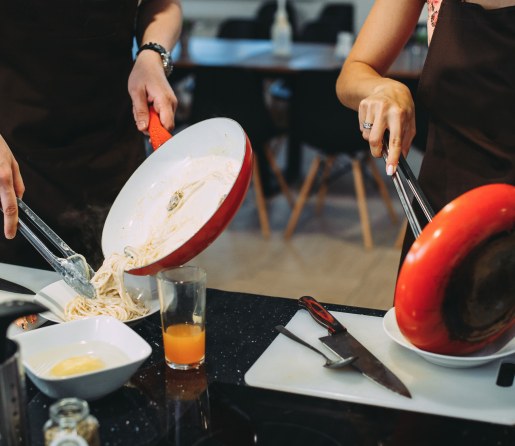
How To Engage Your Staff and Enhance Corporate Virtual Event
Most physical events have been on hold for the past six months. While corporate events will likely be the first to make a full comeback, many companies we spoke to delayed all live business meetings well into 2021. When you hold corporate events, they will be mainly Zoom webinars during the pandemic, but these types of interactions won't deliver results long-term. With the live stream becoming the default meeting room, how do you enhance these experiences to make an impact on your team? Read more to get you some ideas?
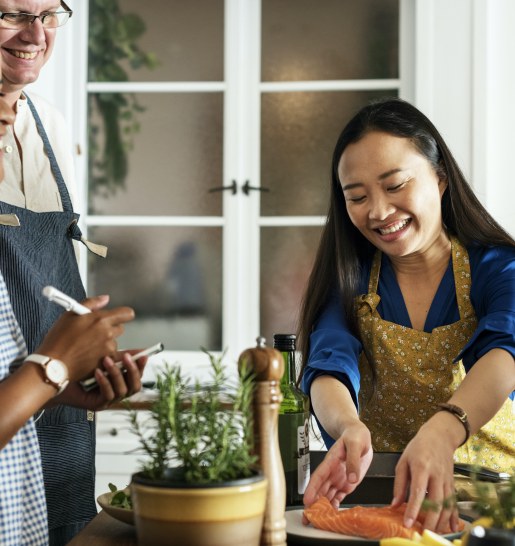
10 Tips For Planning A Company Conference and Event?
Looking for Planning A Company Conference and Event? You’ve come to the right place. We’ve seen a lot of business events over the years, and there are ten steps we’ve identified as key to a successful event. This guide may not be all of what you need to do because it will depend on the type of event you are holding, we can suggest some best practices that are important to follow for any event.
You may also want to try
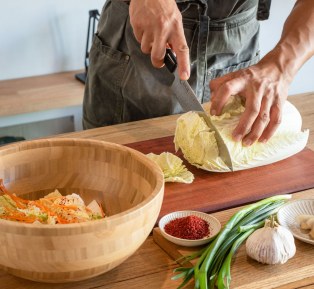
Knife Skills' Masterclass
3 hours
$245
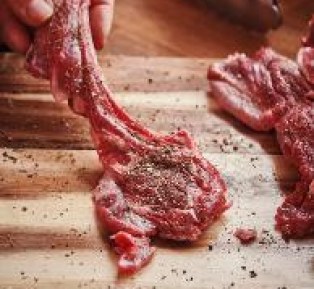
Beef & Lamb Workshop
7 Hours
$467
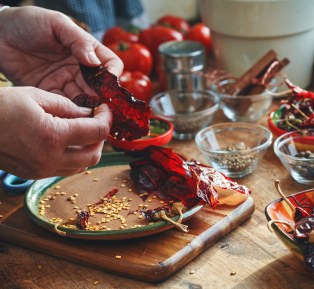
Sauces, Fermentation & Pickling Specialties
3 Hours
$207
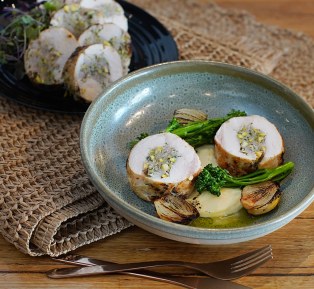
Pork & Poultry Workshop
7 Hours
$467
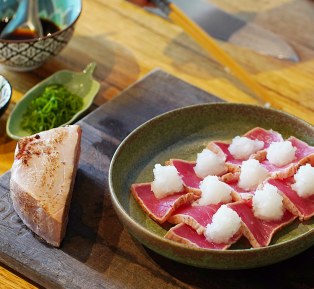
Fish & Seafood Workshop
7 Hours
$467
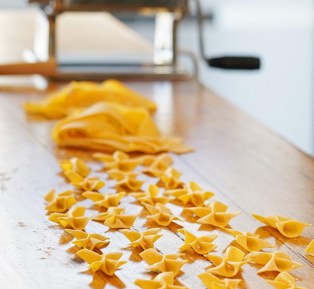
Pasta, Noodle & Dumpling Workshop
7 Hours
$467
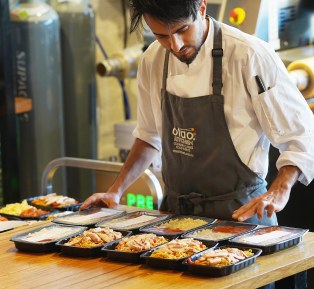
Vegetables & Plant-Based Mastery
3 Hours
$207
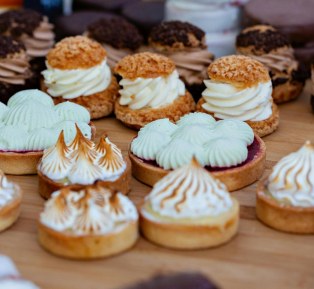
Pastry & Dessert Workshop
7 Hours
$467
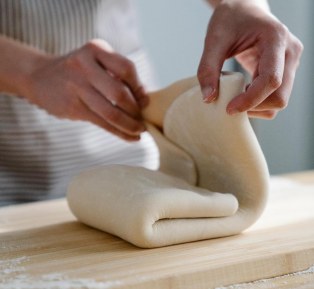
Bread & Baking Workshop
7 Hours
$467

Cooking with Australian Ingredients Masterclass
2.5–3 hours
$237